

Reviewed · HISTORICAL TOURS
Mdina: Private Historical City Walking Tour with Rabat Town
Malta’s old capital rewards slow walking. This private tour pairs the honey-colored lanes of Mdina with the older town of Rabat, giving you two very different sides of Malta in just two hours. I especially like the private format, which lets your guide shape the pace for your group, and the chance to see both major sights and less obvious corners with someone who knows the towns well. The main limitation is time: two hours goes quickly, especially if you want to enter churches or museums.
You meet at Mdina Gate and spend about an hour in Mdina before walking through Rabat for another hour. I also like that a licensed Malta guide leads the route in English or Italian, with local tips that can add useful context beyond dates and names. Just remember that church and museum admission fees are not included.
In This Review
- Key points to know before booking
- Why Mdina feels different from the rest of Malta
- Walking through Mdina’s palaces, churches, and bastions
- Crossing from Mdina into Rabat
- What the private group changes
- Two hours is efficient, but it requires focus
- Meeting at Mdina Gate
- Language, access, and booking flexibility
- Who will get the most from this walk
- Should you book the Mdina and Rabat tour?
- FAQ
- How long does the Mdina and Rabat tour last?
- Where do you meet the guide?
- Is the tour private?
- How much does the tour cost?
- Which languages are available?
- Is St. Paul’s Cathedral included?
- Are museum and church entrance fees included?
- Is the tour wheelchair accessible?
- What should you bring?
- Can you cancel the booking?
Key points to know before booking
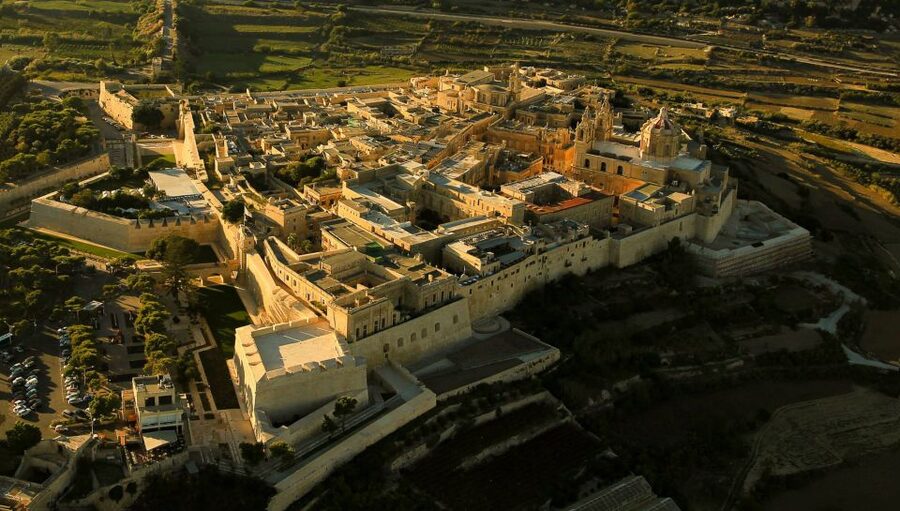
- Two historic towns in two hours: The route divides its time between Mdina and Rabat rather than treating Mdina as a quick photo stop.
- Private group for up to 12 people: Your party gets the guide’s attention instead of joining a large mixed group.
- Major Mdina sights are built into the walk: Expect the old city, St. Paul’s Cathedral, the bastions, and Vilhena Gate.
- Local advice is part of the appeal: Guides such as Carmen and Chris have been praised for friendly help, local customs, and clear historical insight.
- Admission costs are separate: Any church or museum entry fee comes out of your pocket.
- Plan for walking: Comfortable shoes and some cash are specifically recommended.
Why Mdina feels different from the rest of Malta
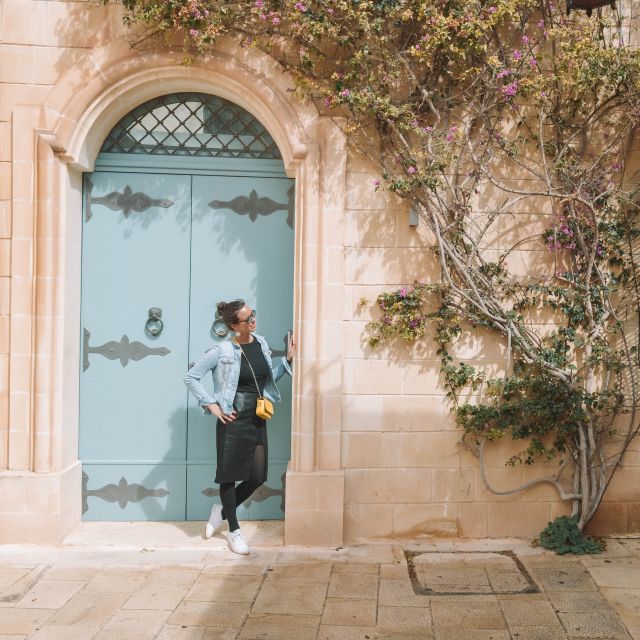
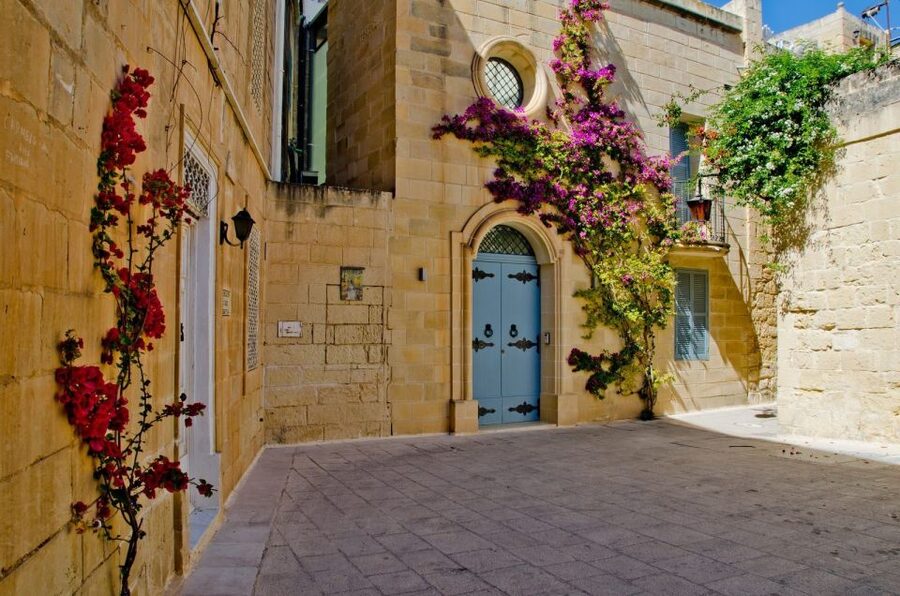
Mdina is often called the Silent City, and the name makes sense as you pass through its stone entrance and leave modern traffic behind. The city is enclosed by sturdy bastions and filled with narrow, winding streets lined with old palaces, churches, monuments, and convents.
The honey-colored limestone gives Mdina a warm look in the sun. Its lanes are not laid out for quick sightseeing. They turn, narrow, and open into small spaces where the best view may be around the next corner. A guide helps you make sense of what you are seeing instead of reducing the visit to a string of attractive walls.
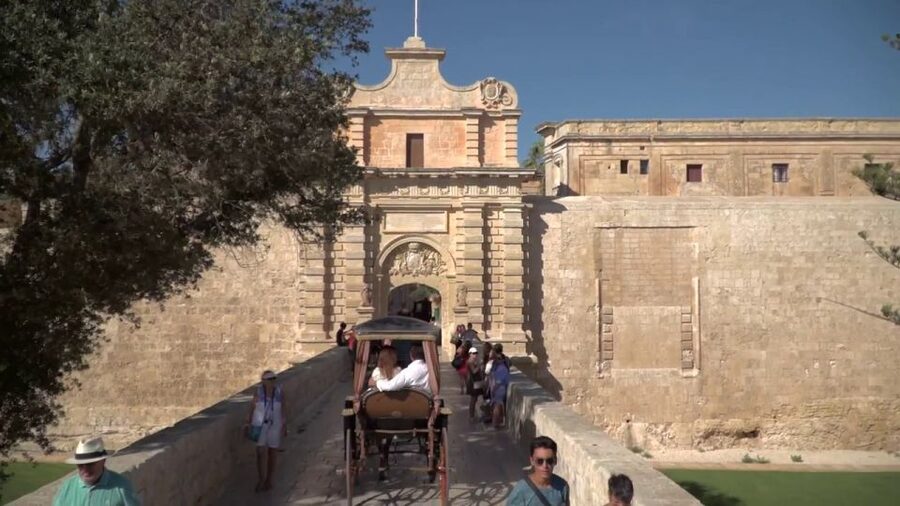
Your first clear landmark is Mdina’s Vilhena Gate, the royal entrance named among the tour’s main highlights. It provides a strong opening to the visit because the gate sets up the city’s defensive character and ceremonial side at once. From there, the route leads into the old city for guided sightseeing, photographs, and views along the way.
I like this kind of introduction because it gives you a sense of place before you start collecting individual monuments. You are not simply looking at old stone. You are moving through a former seat of power, with the walls, gateways, and grand buildings all working together.
More of Mdina and Rabat on foot:
- Malta: Mdina and Rabat Walking Tour with Catacombs
★ 4.8 · 1,126 reviews - Mdina and Rabat: Guided City Walking Tour
★ 4.8 · 549 reviews - Malta: Mdina and Rabat Tour with Local Guide
★ 5.0 · 408 reviews
Walking through Mdina’s palaces, churches, and bastions
The Mdina portion lasts about one hour. That is enough for a well-paced orientation walk, but it is not a full museum visit or an in-depth study of every building. You should expect to see the principal sights from outside and hear explanations as you walk, with possible church or museum visits costing extra.
St. Paul’s Cathedral is the major religious landmark on the route. Its inclusion gives the walk a clear focal point, especially for anyone interested in Malta’s church architecture. The tour description does not promise admission, so treat the cathedral as a highlighted sight rather than assume interior access is part of the price.
The bastions of Mdina offer another change of mood. From these massive walls, you can enjoy scenic views on the way and better understand why Mdina was built as a fortified city. The bastions are not just a backdrop for photographs. They explain the city’s shape and why its streets feel so enclosed once you move inside.
The walking route also brings you past historic palaces, monuments, and convents. Some details may matter more to you than others. A private guide can spend longer on architecture if that is your interest, or keep things moving if you mainly want orientation and photographs.
This is where the private setup has real value. If you are traveling with family or friends, you can ask questions without worrying about holding up a large group. You can also tell the guide if you want more history, more local customs, or more time for pictures. The experience is still only two hours, but the conversation can be more useful than a fixed audio guide.
Crossing from Mdina into Rabat
The second hour takes you into Rabat, the neighboring town. This matters because Mdina and Rabat are close together but offer different impressions. Mdina feels fortified and enclosed. Rabat gives you a broader town setting, with its own churches, monuments, and historic streets.
The route includes a guided visit, sightseeing, photo stops, and views along the way. You can expect the guide to connect the two places rather than present them as unrelated stops. That link is one of the strongest reasons to book this experience instead of spending all your time inside Mdina.
Rabat also gives the tour room to show you less famous places. The promise of hidden treasures should be understood in a practical way: you may see corners that are easy to miss when you walk alone, but no exact side streets or monuments are guaranteed. Your guide’s local knowledge is the main asset here.
A review from France singled out Carmen for her kindness and for sharing small tips about local customs. That detail gives you a good sense of what this tour can add. The value is not only in identifying a palace or church. It can also come from learning how people use a place, what behavior is appropriate, and which details deserve your attention.
Another highly positive account praised Chris for making the tour both informative and fun, with plenty of laughs along the way. That balance is useful on a walking tour. Mdina and Rabat contain a lot of history, but two hours can feel long if the guide simply recites facts. A friendly guide who reads the group well can make the streets easier to remember.
What the private group changes
The price is $177 per group of up to 12 people, not per person. At the full group limit, that works out to about $14.75 per person before any separate admission fees. For a couple, the per-person price is much higher, but you are paying for a private guide rather than a shared group experience.
For a family or group of friends, the value is strongest. Twelve people can share the fixed cost, and you avoid the uncertainty of being paired with strangers. You can ask questions that fit your own interests and keep the walk at a pace that suits your group.
For one or two people, the calculation is less obvious. If you mainly want a quick look at Mdina’s lanes and bastions, you may find the price hard to justify. One rating described Mdina as small enough that a short carriage tour might have been sufficient. That is a fair warning for independent-minded visitors who prefer to wander alone.
The private tour makes more sense if you want Rabat included, care about context, or appreciate having a local explain what you are seeing. It is also a reasonable choice for a first visit, when the old streets can otherwise feel confusing.
More history on the ground:
- Palazzo Falson Historic House Museum entrance ticket
★ 4.7 · 22 reviews - Malta: Prehistoric Temples, Limestone Heritage & Blue Grotto
★ 4.2 · 412 reviews - Maltese Islands History Audio-Visual Show and La Sacra Infermeria Tour
★ 4.0 · 344 reviews - Valletta: Self-Guided Historical Walking Tour (Audio Guide)
★ 3.7 · 251 reviews
Two hours is efficient, but it requires focus
The short duration is both a benefit and a drawback. You can fit the experience into a busy Malta schedule, and you will not lose half a day to a single guided activity. The route also gives you an introduction to two places instead of making you choose between Mdina and Rabat.
At the same time, you should not expect a slow, detailed examination of every church and palace. The route allows roughly one hour per town. Photo stops, questions, and any entrance visit will use part of that time.
I would treat the tour as an orientation walk. Let the guide explain the layout and point out the sights that deserve a closer look. Then, if a church or museum catches your attention, you can decide if you want to return or pay the separate entry fee.
Comfortable shoes are important. The experience is a walking tour through historic streets, and the organizers specifically recommend practical footwear. Cash is also suggested, partly because entry fees are not included. The tour is listed as wheelchair accessible, but if you need a particular route or extra time, it is sensible to discuss that with the guide before starting.
Meeting at Mdina Gate

The stated meeting point is Mdina Gate, the entrance to the city. That is a clear and logical place to begin because the gate is one of the main sights and gives you an immediate sense of the old city’s defenses.
The activity information also identifies horse and carriage as the starting location. Since the meeting instructions name Mdina Gate, I would confirm the precise spot and whether the carriage reference is simply a nearby landmark or part of the arrival arrangement. Do not assume a carriage ride is included. The described experience is a guided walking tour.
Once you meet the guide, the route is straightforward in broad terms: Mdina first, then Rabat. Starting at the gate also means you do not waste the first part of your paid time finding the historic center.
Language, access, and booking flexibility

The tour is offered with a live guide in English or Italian. That is useful if you want to ask questions as you go rather than listen to a prerecorded commentary. The strongest feedback focuses on the guide’s personal approach, especially Carmen’s local tips and Chris’s lively presentation.
The activity is listed as wheelchair accessible. Since the route passes through historic towns, you should still confirm the exact path and any access needs when booking. The supplied details do not specify which buildings can be entered or whether every optional stop is step-free.
You can cancel up to 24 hours before the start for a full refund. You can also reserve now and pay later, which helps if your Malta schedule is still changing. Starting times vary, so you need to check availability for your preferred date.
The overall score is 4.5 from 41 ratings, which fits the experience’s profile: strong praise for the guides and the cultural insight, balanced by concerns about the short route, the small size of Mdina, and one serious service complaint involving an operator cancellation and a delayed refund. I would confirm the booking details and keep the confirmation handy, especially if the tour is tied to a tight day plan.
Who will get the most from this walk
I would recommend this tour to:
- First-time visitors who want an easy introduction to Mdina and Rabat
- Families or friend groups that can share the private group price
- People who enjoy architecture, churches, fortifications, and local stories
- Visitors who want practical tips about Maltese customs
- Anyone who prefers a guide to wandering without context
You may want to skip it if you only want a brief look at Mdina, dislike guided sightseeing, or plan to spend substantial time inside museums and churches. The two-hour schedule is not built for a long interior visit.
It also may not suit you if you expect transportation between sights. The core experience is walking. The horse and carriage reference should be clarified before booking, since the tour details describe a walking route rather than a carriage excursion.
Should you book the Mdina and Rabat tour?
Book it if you want personal guidance across two historic towns, especially when traveling with enough people to make the $177 group price reasonable. The strongest reasons are the licensed local guide, the combination of Mdina and Rabat, and the chance to hear useful local advice from guides such as Carmen or Chris.
Think of it as a smart introduction, not a complete archaeological or church tour. You will see the city gate, bastions, cathedral, palaces, churches, monuments, and Rabat streets, but you may need extra time and separate admission fees for a closer look.
If your main goal is atmosphere, orientation, and a friendly local voice, this is a good fit. If you only want to photograph Mdina’s lanes, a shorter independent visit may offer better value.
FAQ
How long does the Mdina and Rabat tour last?
The tour lasts two hours, with about one hour in Mdina and one hour in Rabat.
Where do you meet the guide?
You meet the guide at Mdina Gate, the entrance to the old city.
Is the tour private?
Yes. It is a private group experience for up to 12 people.
How much does the tour cost?
The listed price is $177 per group of up to 12 people.
Which languages are available?
The live guide service is available in English or Italian.
Is St. Paul’s Cathedral included?
St. Paul’s Cathedral is one of the highlighted sights. Any church entrance fee is not included, so you should be prepared to pay separately if an admission charge applies.
Are museum and church entrance fees included?
No. Museum and church entrance fees are excluded when such fees apply.
Is the tour wheelchair accessible?
Yes. The activity is listed as wheelchair accessible.
What should you bring?
Bring comfortable shoes and cash. Cash may be useful for any separate admission fees.
Can you cancel the booking?
Yes. You can cancel up to 24 hours in advance for a full refund. Reserve-now, pay-later booking is also available.
More Walking Tours
- Mdina and Rabat Walking Tour inc. Catacombs and St. Paul’s Grotto
★ 5.0 · 341 reviews - Mdina and Rabat Private Walking Tour
★ 5.0 · 25 reviews - Mdina and Rabat Private Walking Tour with local pastizzi
★ 5.0 · 6 reviews - The Original Valletta Walking Tour
★ 5.0 · 2,719 reviews
Just added around Mdina
- 30-Minute Mdina Experience Audio-Visual Show Ticket (Open Ticket)★ 4.5 · 4 reviews
- Mdina and Rabat Private Walking Tour with local pastizzi★ 5.0 · 6 reviews
- Mdina, Dingli cliffs and San Anton Gardens guided tour★ 3.5 · 14 reviews
- Proposal Photoshoot with Professional Photographer in Malta★ 5.0 · 15 reviews
- Guided Night Tour of Valletta Waterfront, Mdina and Rabat★ 4.5 · 22 reviews
- Mdina: The Mdina Experience Audio-Visual Show (Open Ticket)★ 4.3 · 22 reviews
- Palazzo Falson Historic House Museum entrance ticket★ 4.7 · 22 reviews
- Mdina and Rabat Private Walking Tour★ 5.0 · 25 reviews
Historical Tours, compared.

Prehistoric Temples, Limestone Heritage & Blue Grotto
Read our review →
Maltese Islands History Audio-Visual Show and La Sacra Infermeria Tour
Read our review →
Self-Guided Historical Walking Tour (Audio Guide)
Read our review →
Wonderful Valletta, gastronomy, art, and history in the Mediterranean
Read our review →


The Limestone Heritage Park and Gardens (Entry Ticket)
Read our review →
Browse the lists this tour appears in