
Reviewed · WALKING TOURS
Mdina and Rabat Walking Tour inc. Catacombs and St. Paul’s Grotto
Mdina keeps its secrets behind thick stone. I like the way this tour joins Rabat’s underground catacombs with Mdina’s grand palaces, and I also like its small group size, capped at 25 people. The guides, including Matthew, Mario, Carmel, and Dylan, are praised for making Malta’s long past clear, lively, and easy to follow.
The main drawback is time. Rabat, the museum visit, and Mdina all share roughly two and a half hours, so you may want extra time before or after the tour to explore Mdina at your own pace. Rain, heat, and a slower group can make the schedule feel tighter.
In This Review
- Key points to know before booking
- Why Mdina and Rabat work well together
- Rabat’s streets and churches come first
- Underground at the Wignacourt Museum
- Entering Mdina through the old capital’s gate
- Palaces, churches, and small details
- Ramparts and Greeks Gate
- How the guide affects the experience
- Price, timing, and practical value
- Who should book this Mdina walking tour?
- FAQ
- How long does the Mdina and Rabat Walking Tour last?
- Where does the tour start?
- Where does the tour end?
- Is admission to the catacombs included?
- Is the tour offered in English?
- How large can the group be?
- Are there stairs and uneven floors?
- Is hotel pickup included?
- Should you book it?
Key points to know before booking
- The tour goes underground in Rabat: You visit catacombs, WWII shelters, and St. Paul’s Grotto at the Wignacourt Museum.
- Mdina is the grand finale: The walk covers palaces, churches, convents, old streets, fortifications, and Greeks Gate.
- Guides are the main strength: Matthew, Mario, Carmel, Ian, and Dylan are praised for clear English, humor, patience, and strong knowledge of Maltese history.
- The group can include up to 25 people: That is smaller than a large coach outing, but it is not a private walk.
- Expect stairs and uneven floors: The underground sections are small in places and require some climbing.
- Bring time for Mdina beyond the tour: The guided portion gives you context, but it does not leave much spare time for independent wandering.
Why Mdina and Rabat work well together
Mdina and Rabat sit side by side, but they offer two different views of Malta. Rabat feels more like a living town, with churches, convents, and ordinary streets. Mdina, once Malta’s capital, feels enclosed and ceremonial, with honey-colored stone, quiet lanes, noble homes, and heavy fortifications.
That contrast gives the tour a useful shape. You start with the everyday and the underground, then move into the old capital above ground. I find this more rewarding than seeing Mdina alone, because the catacombs and shelters show how people used the area across very different periods.
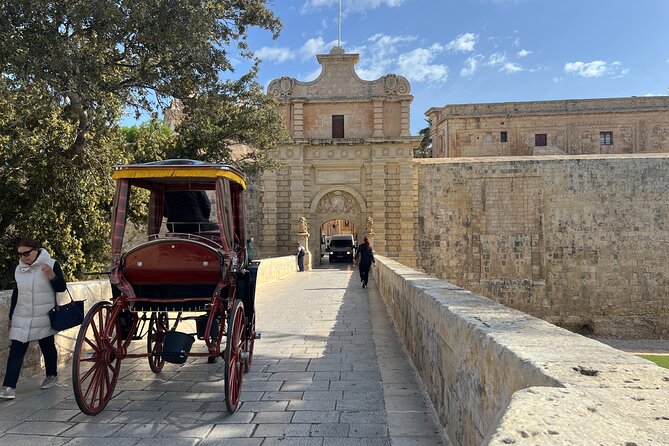
Your meeting point is the Baroque Mdina Gate. This is the city’s main entrance and a simple place to begin, although it can be busy with people arriving by bus or car. Look for the guide at the gate and allow a few minutes to get settled before the walk starts.
The tour is offered in English and uses a mobile ticket. It lasts about two hours and 30 minutes, though some people describe it as closer to three hours. The exact pace can depend on the guide, the size of the group, the weather, and how many questions come up.
More of Mdina and Rabat on foot:
- Malta: Mdina and Rabat Walking Tour with Catacombs
★ 4.8 · 1,126 reviews - Mdina and Rabat: Guided City Walking Tour
★ 4.8 · 549 reviews - Malta: Mdina and Rabat Tour with Local Guide
★ 5.0 · 408 reviews
Rabat’s streets and churches come first
The first proper part of the walk takes you through Rabat for about 25 minutes. You pass churches and convents while the guide explains how the town connects to Malta’s earlier settlements and religious traditions.
This section is not a rapid march from one photo stop to the next. Its value comes from the setting and the explanation. Without some context, Rabat’s stone buildings can blur together. A good guide points out what you are seeing and explains how language, rulers, faith, and local customs shaped the town.
Several guides are praised for making these links easy to understand. Mario is noted for explaining the influence of different rulers and for discussing Malta’s language and culture. Matthew is praised for connecting past events to Malta today. Carmel is described as lively and good at bringing in local legends and folklore.
The Rabat walk also gives you a chance to adjust to the tour’s pace. Much of the route is on foot through old streets, so comfortable shoes matter. The supplied information does not state the exact walking distance, but the route includes several areas and a long Mdina section, so this is not a sit-down sightseeing activity.
Underground at the Wignacourt Museum
The Wignacourt Museum is the tour’s most unusual stop. Your included admission covers three linked elements: catacombs, WWII shelters, and St. Paul’s Grotto. Together, they take about 30 minutes.
The catacombs offer a direct look at ancient burial practices and the use of underground spaces. They are not polished halls built for easy movement. Expect narrow areas, stairs, uneven floors, and some small spaces. If you dislike enclosed places or have difficulty with steps, this is the part to think about most carefully.
The WWII shelters add a much more recent layer. Instead of only hearing about Malta’s ancient past, you see how underground spaces were used during modern wartime. That change in purpose makes the visit particularly effective. You move from early burial sites to shelters shaped by the pressures of the 20th century.
St. Paul’s Grotto is tied to Malta’s Christian tradition and gives the guide a chance to explain the religious importance of Rabat. The exact amount of time spent at each part may vary, so you should not expect a long museum visit with extended independent exploration.
I like this stop because the entrance fee is included in the tour price. A standard walking tour of Mdina may give you fine streets and buildings, but it usually will not provide this same underground component. The tradeoff is that 30 minutes passes quickly, especially if you want to study the displays or move slowly through the shelters.
Entering Mdina through the old capital’s gate
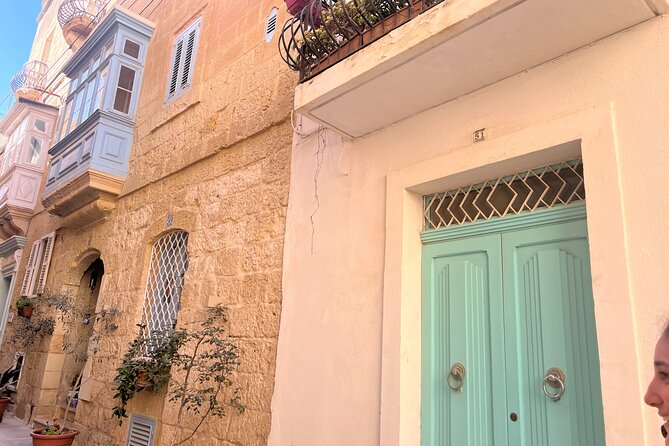
After Rabat and the museum, the tour turns to Mdina. You spend about one hour and 25 minutes walking through the old city, which is the largest part of the route.
Mdina was inhabited as far back as the Bronze Age and remained Malta’s capital until the 16th century. That long timeline helps explain why the city feels layered. The walls, palaces, religious buildings, and narrow streets are not one single style from one single period.
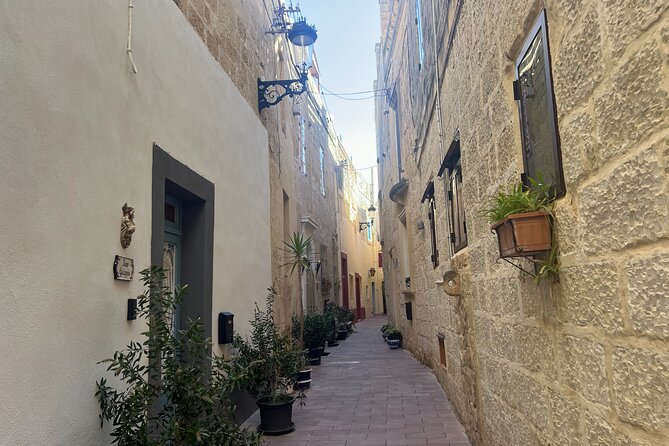
The city is sometimes called the Silent City, and the name makes sense as you move away from the gate. The streets are quieter than Malta’s larger urban areas, and the high walls create a contained, almost theatrical setting. Still, you should not expect total silence. Tours, day visitors, weather, and ordinary city activity can all affect the mood.
The guide leads you past major buildings rather than giving you a ticketed visit to every interior. This matters when setting expectations. You are paying for interpretation and access to the included Wignacourt Museum, while much of Mdina is experienced from the streets and public viewpoints.
More walking tours on foot:
- Mdina: Private Historical City Walking Tour with Rabat Town
★ 4.5 · 41 reviews - Mdina and Rabat Private Walking Tour
★ 5.0 · 25 reviews - Mdina and Rabat Private Walking Tour with local pastizzi
★ 5.0 · 6 reviews - The Original Valletta Walking Tour
★ 5.0 · 2,719 reviews
Palaces, churches, and small details
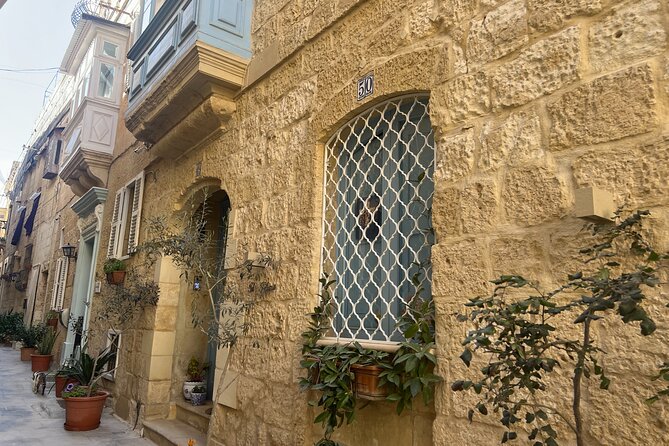
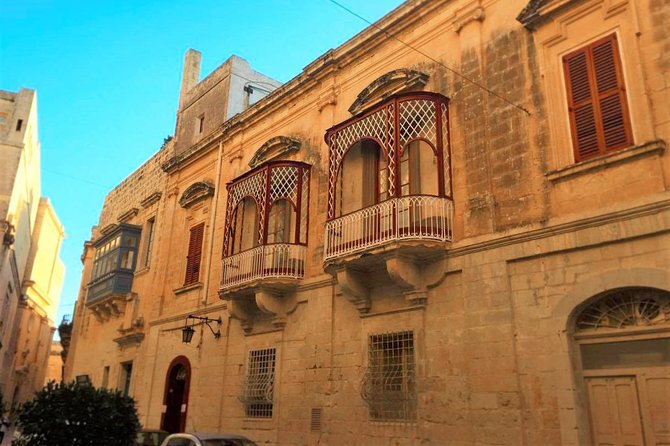
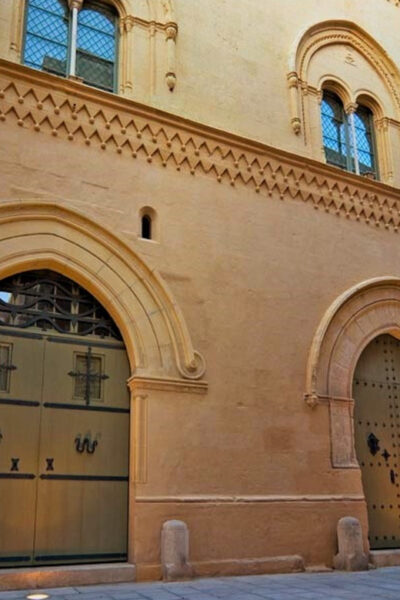
The Mdina route includes several architectural highlights. Palazzo Falzon, a grand 13th-century building, gives you a sense of the city’s aristocratic past. Palazzo Santa Sofia is one of Mdina’s oldest buildings, and its detailed facade is worth slowing down for.
You also pass Vilhena Palace, now home to the Natural History Museum. The tour does not list admission to this museum as included, so think of it as an exterior sight during the walk rather than a separate museum visit.
The Cathedral of Saint Paul is another major stop. Its presence helps explain Mdina’s religious importance and gives the guide a natural place to discuss Malta’s Christian traditions. The itinerary also includes the Baroque Carmelite Priory and a look at the Chapel of Saint Agatha.
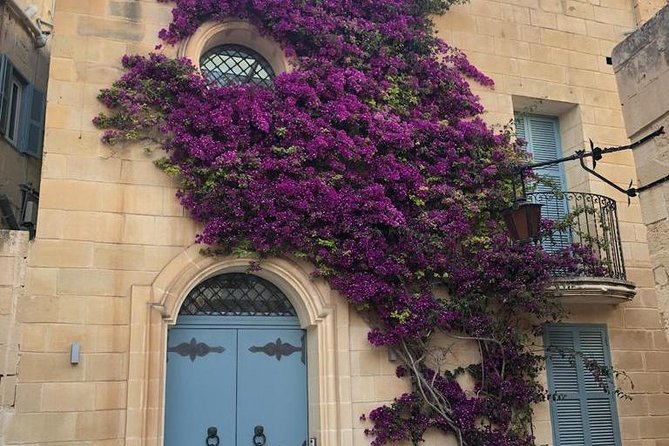
You may appreciate the way the guides point out details that are easy to miss. One useful example is Mdina’s distinctive door knockers. These small pieces of hardware can reveal something about local decoration and the character of the old houses, especially when a guide explains what to look for.
Some palaces in Mdina are now unoccupied. That detail changes the way you read the streets. Behind an impressive facade, you may find a quiet building with little daily activity. The city is beautiful, but it is not a stage set filled with active aristocratic residences.
Ramparts and Greeks Gate
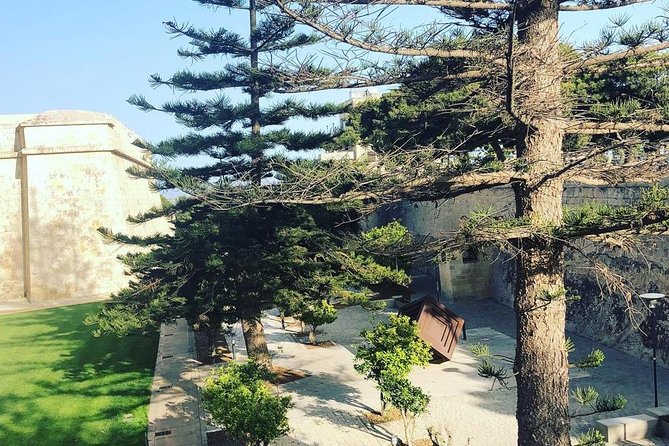
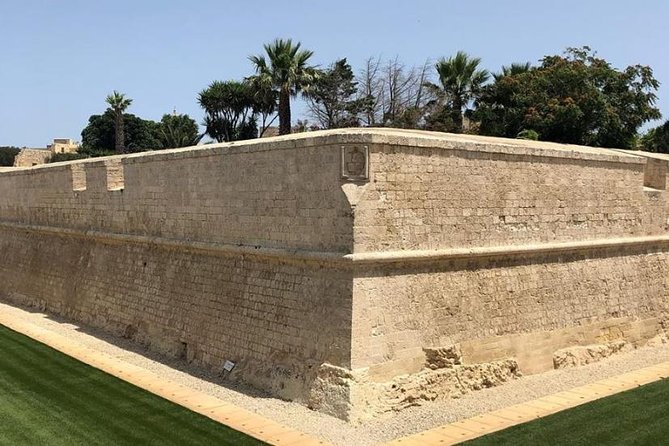
The fortifications provide one of the tour’s best outdoor moments. From the ramparts, you can look across a large part of Malta. On a clear day, the view gives you a useful sense of the island’s scale and helps explain why Mdina’s position mattered.
Weather makes a real difference here. Rain can reduce visibility and make the stone walkways less pleasant. Heat can also slow the group, although guides have been praised for finding shaded spots when they stop to speak.
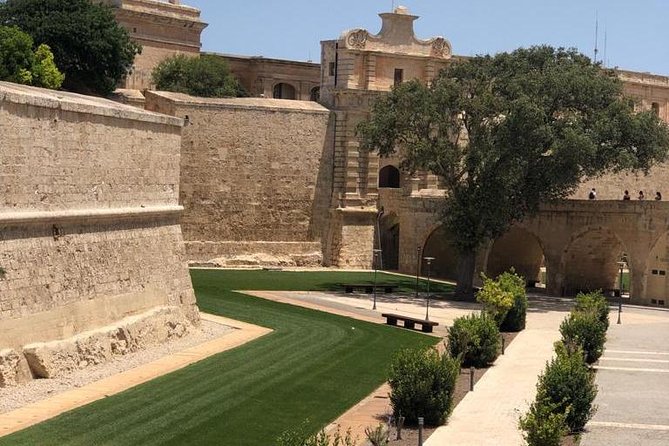
The tour ends at Greeks Gate, not back at Mdina Gate. That is important for planning your next move. The end point is still within Mdina, but you should check your onward route before starting, especially if you need to meet a driver or catch public transport.
Greeks Gate is an imposing part of the medieval defenses and a fitting final sight. By this point, you have seen Rabat’s streets, the underground sites, Mdina’s religious buildings and palaces, and the defensive walls. The ending ties those pieces together.
How the guide affects the experience
This is a guide-led history walk, and the quality of the guide shapes the day. The strongest feedback goes to guides who explain details clearly, keep the group together, and adjust their pace.
Matthew is praised for his clear delivery, patience, and ability to connect Maltese history with modern life. Mario is described as energetic and passionate, with a strong grasp of Malta’s languages, rulers, and culture. Carmel receives praise for his humor, local stories, and care for people who arrived late.
Dylan is singled out for making sure everyone could hear and see him. Ian is also described as patient with a mixed-pace group. These details matter because Mdina’s streets can create distractions, and a guide who cannot be heard will weaken the whole visit.
There is one genuine style issue to consider. The tour includes a lot of explanation, and some people may feel the balance leans toward talking rather than walking. If you prefer to cover ground quickly and photograph every lane, the pace may feel slow. If you want the buildings and underground sites to make sense, the commentary is likely to be the main reason to book.
The group limit of 25 helps, but it does not guarantee a quiet or private experience. In a full group, you may need to stay close to the guide to hear every detail. One person also found it harder to locate the guide at the meeting point and suggested clearer identification, such as a visible tour sign or clothing color.
Price, timing, and practical value
At $30.85 per person, this tour is fairly priced for a guided walk that includes entry to the Wignacourt Museum. You are getting a professional guide, the Rabat and Mdina route, and admission to the catacombs, WWII shelters, and St. Paul’s Grotto.
The value depends on how you like to sightsee. If you only want a quick look at Mdina’s streets, you could spend less by walking independently. You would, however, miss the organized underground visit and much of the historical explanation.
I see the tour as a good introduction rather than a complete day in Mdina and Rabat. The two and a half hours give you a strong framework, but they do not leave much time for lingering in Mdina, entering extra museums, shopping, or stopping for a relaxed meal.
Because the activity is often reserved about 27 days ahead, booking early is sensible if your Malta schedule is fixed. Free cancellation is available when you cancel at least 24 hours before the local start time. Changes or cancellations inside that window are not accepted for a refund.
Hotel pickup and drop-off are not included. You need to reach Mdina Gate on your own, but the meeting point is near public transportation. Food and drinks are also your responsibility.
Who should book this Mdina walking tour?
I would choose this tour if you are visiting Mdina for the first time and want the city’s buildings to mean more than pretty stone walls. It suits people who enjoy history, religious sites, military stories, architecture, and local details such as door knockers and place names.
It also works well if you want a compact introduction to both Rabat and Mdina. The underground sites add variety, and the included admission improves the price.
You may want a different plan if you dislike stairs, uneven floors, or enclosed catacombs. You should also allow extra time before or after the walk if Mdina itself is a high priority. The guided route covers the main sights, but independent time is needed to enjoy the old city slowly.
FAQ
How long does the Mdina and Rabat Walking Tour last?
The tour lasts approximately two hours and 30 minutes. Some descriptions of the experience place it closer to three hours, depending on the pace and group.
Where does the tour start?
The meeting point is Mdina Gate in Mdina, Malta.
Where does the tour end?
The tour ends in Mdina near Greeks Gate.
Is admission to the catacombs included?
Yes. Admission to the Wignacourt Museum, including the catacombs, WWII shelters, and St. Paul’s Grotto, is included.
Is the tour offered in English?
Yes. The tour is offered in English.
How large can the group be?
The group can include a maximum of 25 people.
Are there stairs and uneven floors?
Yes. The catacombs, WWII shelters, and St. Paul’s Grotto are underground and include stairs. The catacombs also have small spaces and uneven floors.
Is hotel pickup included?
No. Hotel pickup and drop-off are not included. You must make your own way to Mdina Gate, which is near public transportation.
Should you book it?
Book this tour if you want a clear introduction to Mdina and Rabat, especially if the catacombs and WWII shelters appeal to you. The strongest part is the combination of underground sites and an enthusiastic guide who can explain why these places matter.
Do not book it expecting a leisurely, private stroll or hours of free time in Mdina. Instead, treat it as a well-priced orientation, then add your own time in the Silent City before or after the scheduled walk.
Just added around Mdina
- 30-Minute Mdina Experience Audio-Visual Show Ticket (Open Ticket)★ 4.5 · 4 reviews
- Mdina and Rabat Private Walking Tour with local pastizzi★ 5.0 · 6 reviews
- Mdina, Dingli cliffs and San Anton Gardens guided tour★ 3.5 · 14 reviews
- Proposal Photoshoot with Professional Photographer in Malta★ 5.0 · 15 reviews
- Guided Night Tour of Valletta Waterfront, Mdina and Rabat★ 4.5 · 22 reviews
- Mdina: The Mdina Experience Audio-Visual Show (Open Ticket)★ 4.3 · 22 reviews
- Palazzo Falson Historic House Museum entrance ticket★ 4.7 · 22 reviews
- Mdina and Rabat Private Walking Tour★ 5.0 · 25 reviews
Walking Tours, compared.




Guided Walking Tour with Optional Cathedral Tour
Read our review →
The Valletta Street Food and Culture Walking Tour
Read our review →Browse the lists this tour appears in