
Reviewed · FOOD & DRINK
Mdina and Rabat Food and History Tour
Come hungry, leave well fed. This small-group tour joins Mdina’s medieval streets and Rabat’s religious landmarks with generous tastes of Maltese food, local drinks, and stories from guides who know the area personally. I especially like the mix of food and history, plus the chance to try dishes such as pastizzi, rabbit, bragioli, and ħobż biż-żejt in one outing.
The tour also earns high marks for its personal touch. Chris has family ties to the area going back to the 1400s, and one account describes him checking for allergies before the tour and noticing what guests wanted to photograph. The main drawback is that some landmark visits are picture stops rather than full interior visits, and the three-and-a-half-hour schedule may feel short if you want a slow exploration of both towns.
In This Review
- Key points at a glance
- Why the food and history combination works
- Starting at Is-Serkin in Rabat
- Entering Mdina through the Baroque Main Gate
- St Paul’s Cathedral and a useful expectation check
- St Paul’s Grotto in Rabat
- What you are likely to eat and drink
- How much history fits into three and a half hours
- Group size, comfort, and practical limits
- Who will get the most from this tour
- Should you book the Mdina and Rabat Food and History Tour?
- FAQ
- Where does the Mdina and Rabat Food and History Tour begin?
- What time does the tour start?
- How long does the experience last?
- Where does the tour finish?
- What drinks are included?
- What foods are included?
- Is admission to the Metropolitan Cathedral of Saint Paul included?
- Is admission to St Paul’s Grotto included?
- How many people can join the tour?
Key points at a glance
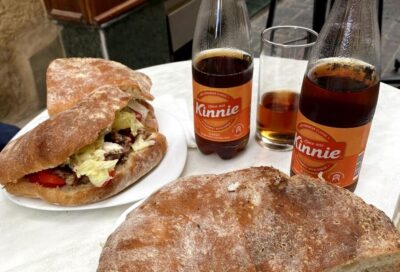
- Four or more substantial food stops: Expect pastizzi, Kinnie, Maltese bread, local platters, bragioli, rabbit, potatoes, vegetables, wine, and imqaret, with the exact order subject to the day’s arrangements.
- A group capped at 12 people: The small size gives the guide room to answer questions and adjust the conversation to your interests.
- Mdina’s Baroque main gate: You enter Malta’s former capital through a striking gateway linked with many film productions.
- St Paul connections in both towns: The route includes the Metropolitan Cathedral of Saint Paul in Mdina and St Paul’s Grotto in Rabat.
- Local drinks are included: You receive a glass of craft beer, a glass of wine, and a glass of Kinnie.
- A 10:30 a.m. start at Is-Serkin: The meeting point is Crystal Palace Bar on Triq San Pawl in Rabat, and the tour returns there.
Why the food and history combination works
Mdina and Rabat are close together, but they offer different moods. Mdina gives you the old capital, stone lanes, grand gateways, and major religious buildings. Rabat adds the St Paul story and a more food-focused setting.
A history walk can sometimes turn into a parade of dates and names. Food keeps this one grounded. You do not just hear about Maltese culture, you taste a few of its everyday markers. Pastizzi gives you a crisp pastry filled with either peas or cheese, while ħobż biż-żejt brings Malta’s bread tradition to the table with oil and accompanying sides.
The food is not limited to snacks. Bragioli, usually described as beef olives, and rabbit make the outing closer to a light meal than a few polite samples. One food sequence includes rabbit stew, bragioli, roast potatoes, vegetables, Maltese bread, wine, and imqaret, a sweet pastry often associated with dates.
That amount of food matters when you compare the $81.93 price. You are paying for a licensed guide, about three and a half hours of attention, several tastings, a local soft drink, beer, and wine. If you would otherwise buy a separate lunch and a guided walking tour, the price is reasonable. If you prefer a short walk with only a couple of bites, it may feel high.
The tour has a 4.9 rating from 24 reviews, with 100 percent recommending it. That is a strong record, though the sample is not large. I would read the rating as a sign that the personal guiding and food quality are the main strengths, not as a promise that every departure will follow the same exact menu.
More of Mdina and Rabat on foot:
- Malta: Highlights of Malta & Mdina Full Day Tour with Lunch
★ 4.4 · 2,688 reviews - Malta: Mdina and Rabat Walking Tour with Catacombs
★ 4.8 · 1,126 reviews - Malta: Mdina, Dingli Cliffs and San Anton Botanical Gardens
★ 4.3 · 991 reviews
Starting at Is-Serkin in Rabat
The meeting point is Is-Serkin, also called Crystal Palace Bar, on Triq San Pawl in Rabat. The start time is 10:30 a.m., and the activity finishes at the same place.
This arrangement is useful if you are already visiting Rabat or plan to use the tour as your introduction to the area. It also removes the worry of finding a separate end point later in the day. The tour is near public transportation, according to the practical information provided.
The group maximum is 12 people. That is small enough for a guide to hear questions without turning the walk into a private tour price. It also helps at food stops, where a large group can make ordering and conversation awkward.
Guides can vary. Chris, Bridgette, and Darrell are all praised by name in the available feedback. Chris is described as especially attentive, including a message sent the night before to ask about allergies. His family’s long connection with the area also adds a personal angle. Bridgette is praised for her warm hosting, while Darrell is described as a very good guide. You should not assume you will receive a particular guide unless the provider confirms it.
Entering Mdina through the Baroque Main Gate
The first listed stop is Mdina’s main gate, where you spend about 10 minutes. This is not a long architectural lecture, but it gives the tour a proper opening. You pass through the Baroque gateway into Malta’s former capital, a city that has also appeared in many films.
That film connection is a fun extra, especially if you enjoy spotting familiar places on screen. Still, the gate matters even without the movie angle. It marks the shift from the surrounding streets into Mdina’s enclosed old center.
Because the stop is short and admission is free, you should think of it as the beginning of the walk rather than a full visit. Your guide will likely use the entrance to set the scene before moving on to food and religious sites. Wear shoes you can comfortably use on old stone streets, since the tour is a walking experience and the itinerary includes several stops.
The route is not presented as a full architectural survey of every corner of Mdina. That is good news if you want a focused half-day outing, but less useful if your main goal is detailed art and building interiors.
St Paul’s Cathedral and a useful expectation check
The group stops for pictures outside the Metropolitan Cathedral of Saint Paul for about 10 minutes. This is the mother church of the Maltese Islands and one of the major religious landmarks connected with Mdina.
The important detail is that the admission ticket is not included. The schedule describes a photo stop, not a guaranteed interior visit. If seeing the inside is important to you, ask the guide on the day whether there is time and what extra admission would involve. Do not book this tour expecting cathedral entry to be part of the $81.93 price.
Even as an exterior stop, the cathedral adds meaning to the walk. Malta’s religious identity is not treated as a separate museum subject here. It is built into the streets, churches, food customs, and stories you encounter. The short stop also keeps the tour moving toward Rabat rather than using the entire morning on one building.
More food and drink outings:
- Valletta: Street Food and Culture Walking Tour
★ 4.8 · 1,251 reviews - Malta: Lazy Pirate Boat Party with Drinks & Food
★ 3.8 · 788 reviews - The Valletta Street Food and Culture Walking Tour
★ 5.0 · 711 reviews - Valletta Food Tour
★ 5.0 · 711 reviews
St Paul’s Grotto in Rabat
The next listed stop is St Paul’s Grotto, also scheduled for around 10 minutes. You stop in front of the church above the grotto, which is traditionally thought to be the place where St Paul lived during his three-month stay in Malta.
Again, the ticket is not included, and the stop is described as taking place in front of the church. That makes this another exterior-focused pause unless your guide arranges or recommends something additional.
For many visitors, this is the point where the Mdina and Rabat sections connect. You begin with the former capital, then follow a major Christian story into Rabat. The short duration means you get the context without turning the tour into a full religious pilgrimage.
If you want extended time at St Paul’s Grotto, the food tour format may not suit you. You will have to decide whether the guide’s explanation and outside view are enough, or whether you want to return independently for more time.
What you are likely to eat and drink
The included food is the heart of the experience. The tour lists local craft beer, a glass of wine, Kinnie, and various Maltese specialties. The food described includes:
- Pastizzi
- Ħobż biż-żejt with sides
- Bragioli
- Rabbit
- Maltese bread
- Roast potatoes and vegetables
- Imqaret
- Maltese coffee and fresh fruit on at least one reported food sequence
- A Maltese platter
The first stop may pair pastizzi with Kinnie. This is a smart introduction because you get two familiar Maltese tastes at once: a savory pastry and the island’s distinctive soft drink. Kinnie is not ordinary cola or lemonade. Its bitter, herbal character can surprise you, so treat it as something to sample rather than something you must love.
Later tastings can be more substantial. A Maltese platter gives you a chance to try several items without ordering full portions of each. The rabbit and bragioli are the most important dishes if you want a sense of traditional home-style cooking. The menu is generous enough that you may not need to plan a separate lunch immediately afterward.
The exact dishes and order can vary. That is normal for a food walk, especially when local businesses or daily preparations shape the stops. The food described in the tour information is more than a promise of one pastry and one drink, but you should still tell the provider about allergies or dietary needs before the start. Chris’s habit of checking allergies the night before is a good sign, but you should communicate directly rather than rely on the guide to guess.
Alcohol is included, with local craft beer and a glass of wine. If you do not drink, the listing specifically includes Kinnie as a soft drink, but it does not state what substitutions are available. Ask before booking if you need a nonalcoholic replacement or have strict dietary requirements.
How much history fits into three and a half hours
The advertised duration is about three hours and 30 minutes. That is enough time for a useful introduction to Mdina and Rabat, especially because food stops naturally create pauses in the walk.
You should not expect a full day of museum visits, long church interiors, and every lane in both towns. The listed sightseeing stops are each about 10 minutes, while the food stops appear to receive much of the tour’s time. That balance is intentional. You get the broad story of the places, then spend real time eating and talking.
I like this pace for a first visit. It gives you enough context to return later with better questions. After hearing about Mdina’s old capital role and Rabat’s connection with St Paul, you can decide which sites deserve a slower solo visit.
The strongest history element may come from the guide rather than the timetable. Chris’s family connection to the area, reported as dating back to the 1400s, can add a local voice that a standard audio guide cannot provide. Bridgette and Darrell also receive positive personal comments, suggesting that the quality of the host is central to the experience.
One unusual bonus can occur if the tour coincides with local events. A reported outing took place on the eve of a festa, when flags and lights were being set up and residents were gathering. That is not a guaranteed part of the tour, but it shows how the route can connect with ordinary local life when the timing happens to be right.
Group size, comfort, and practical limits
A maximum of 12 people is one of the best features here. Small groups make it easier to hear the guide in narrow streets and easier to ask about food, religion, family customs, or photographs.
The activity says most people can participate, and service animals are allowed. It is near public transportation. The supplied details do not give a full accessibility assessment, so you should ask the provider about walking surfaces or mobility concerns before booking if those issues affect you.
The tour requires good weather. If poor weather causes cancellation, you are offered another date or a full refund. For your own planning, avoid placing an important timed activity immediately afterward. Food portions and conversation can take longer than expected, and the tour’s stated duration is approximate.
Free cancellation is available if you cancel at least 24 hours before the local start time. Changes or cancellations inside that window are not accepted for a refund. That is a fair policy, but check your plans early, particularly if you are moving between Maltese towns during a short stay.
Who will get the most from this tour
I would choose this experience if you want three things in one morning: local food, a basic orientation to Mdina and Rabat, and a guide who can personalize the visit.
It suits first-time visitors who do not want to spend hours planning separate food stops. It also works well for people who enjoy trying traditional dishes but would rather have someone explain what is on the plate. The small group should appeal to couples, friends, and solo visitors who like conversation without paying for a private guide.
Families may appreciate the shorter sightseeing stops and the variety of food, though individual tastes will decide how well rabbit, Kinnie, and unfamiliar dishes go over. People focused mainly on cathedral interiors, archaeological details, or long independent exploration should consider a separate Mdina and Rabat visit as well.
The price is easiest to justify if you count the meal-like tastings, drinks, and guide together. It is less compelling if you plan to eat only small portions, do not drink alcohol, or already have detailed guided visits arranged elsewhere.
Should you book the Mdina and Rabat Food and History Tour?
Yes, if you want an easy, social introduction to two important Maltese towns with plenty of food built in. The 4.9 rating, 100 percent recommendation rate, small group limit, and praise for guides such as Chris, Bridgette, and Darrell all point to a well-liked format.
Book it especially if rabbit, bragioli, pastizzi, Maltese bread, Kinnie, and local wine sound more appealing than another generic sightseeing walk. Keep your expectations clear: the cathedral and St Paul’s Grotto are listed as short picture stops, admission is not included, and the exact food sequence may change.
For a first look at Mdina and Rabat, I think the combination is strong value. You get enough history to understand the setting, enough food to make the morning memorable, and a guide-led experience that can feel personal without the cost of a private tour.
FAQ
Where does the Mdina and Rabat Food and History Tour begin?
It begins at Is-Serkin, also called Crystal Palace Bar, on Triq San Pawl in Rabat, Malta.
What time does the tour start?
The tour starts at 10:30 a.m.
How long does the experience last?
The tour lasts approximately three hours and 30 minutes.
Where does the tour finish?
It ends back at the meeting point in Rabat.
What drinks are included?
A local craft beer, a glass of wine, and a glass of Kinnie are included in the tour price.
What foods are included?
The tour includes pastizzi, ħobż biż-żejt with sides, bragioli, and rabbit, along with various local delicacies. Food described for the experience also includes Maltese bread, a Maltese platter, roast potatoes, vegetables, imqaret, and, on one reported menu, Maltese coffee and fresh fruit.
Is admission to the Metropolitan Cathedral of Saint Paul included?
No. The cathedral stop is listed as a photo stop, and admission is not included.
Is admission to St Paul’s Grotto included?
No. Admission is not included for the St Paul’s Grotto stop.
How many people can join the tour?
The activity has a maximum of 12 participants.
More History on the Ground
- Malta: Prehistoric Temples, Limestone Heritage & Blue Grotto
★ 4.2 · 412 reviews - Maltese Islands History Audio-Visual Show and La Sacra Infermeria Tour
★ 4.0 · 344 reviews - Valletta: Self-Guided Historical Walking Tour (Audio Guide)
★ 3.7 · 251 reviews - Wonderful Valletta, gastronomy, art, and history in the Mediterranean
★ 4.5 · 72 reviews
More Food Outings
- Valletta: Maltese Food and Drink Guided Walking Tour
★ 4.7 · 601 reviews - Valletta: Food Walking Tour with Tastings
★ 4.9 · 220 reviews - Sliema: Sailboat Party with an Open Bar, Food, and Swimming
★ 3.7 · 155 reviews - Valletta Food Tour – Eat like a local
★ 5.0 · 137 reviews
Just added around Malta
- Gozo Unveiled: Guided Hiking in Gozo – The West★ 5.0 · 3 reviews
- Valletta City of Gentlemen guided walking tour★ 3.5 · 3 reviews
- Half Day Tour in Marsaxlokk Village, Market, Blue Grotto & Qrendi★ 4.5 · 3 reviews
- Tour of Malta (Private Driver) Including Lunch Platter & Wine in the countryside★ 4.5 · 3 reviews
- Pastizzi Making Experience in Malta★ 5.0 · 3 reviews
- Malta: Around Comino Cruise With Blue Lagoon stop★ 5.0 · 3 reviews
- Sunday: Ghajn Tuffieha (Riviera) Beach Yoga Class★ 5.0 · 3 reviews
- Half Day Private Tour around the Island in Malta★ 4.7 · 3 reviews
Food & Drink, compared.
The Valletta Street Food and Culture Walking Tour
Read our review →

Romantic Wine Tasting Experience at Koccio Valletta
Read our review →
Browse the lists this tour appears in