
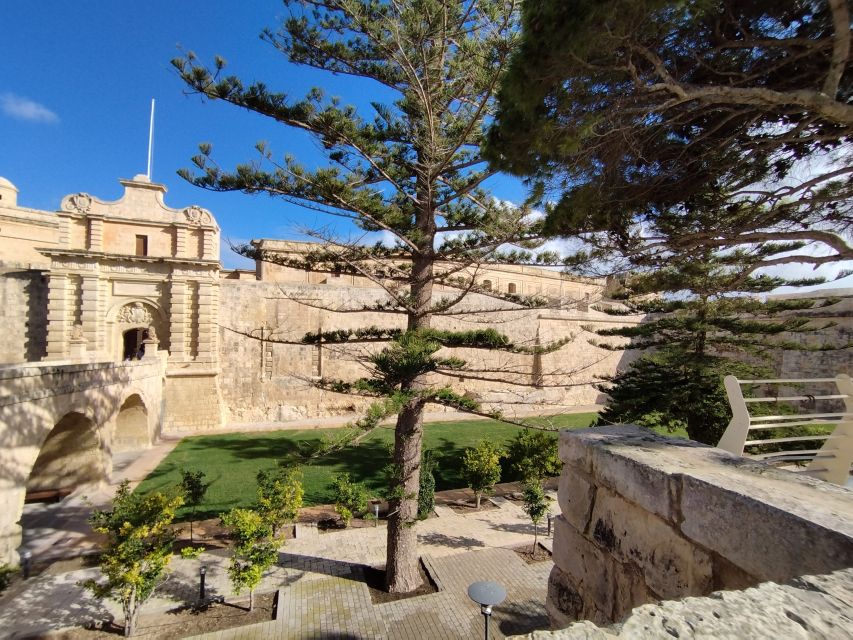
Reviewed · CITY TOURS
Mdina and Rabat: Guided City Walking Tour
The Silent City rewards a slower look. This two-hour walk brings Mdina’s medieval lanes and grand palaces into focus, then continues into nearby Rabat for Maltese homes, local details, and a broader sense of the area’s past. I like the gentle pace and the way a licensed local guide turns walls, door knockers, churches, and side streets into part of the story.
I also like the price. At $24 per person, you get a full guided visit without paying an entrance fee for a museum or church you may not want to enter. The main consideration is that admission costs are not included, and a bank holiday or closed attraction can limit what you see inside.
The tour is in English and meets at the Mdina Main Gate by the bridge, although the exact meeting point can vary with the option booked. Comfortable shoes matter, and while the walk is wheelchair accessible, the old city’s narrow streets deserve a quick check with the provider if you have particular mobility needs.
In This Review
- Key points at a glance
- Meeting the guide at Mdina’s Main Gate
- Mdina’s medieval lanes and noble palaces
- Churches, convents, and the limits of the ticket
- The guide’s style makes the history easier to follow
- Radio headsets help in narrow streets
- Walking from Mdina into Rabat
- A relaxed two-hour route, not a full-day program
- What $24 buys you in real value
- Who should book this Mdina and Rabat walk?
- How to make the most of the visit
- Should you book it?
- FAQ
- How long is the Mdina and Rabat walking tour?
- How much does the tour cost?
- Where does the tour begin?
- Which language is the tour conducted in?
- Are entrance fees included?
- Is the tour wheelchair accessible?
- What should I bring?
- Can I cancel the booking?
Key points at a glance
- Mdina’s Main Gate sets the scene: The tour begins by the bridge with an introduction to Mdina’s long political and religious importance.
- Rabat adds a local counterpoint: After the formal beauty of Mdina, you walk through Rabat’s old quarter and see Maltese vernacular architecture.
- The pace is easy to manage: The two-hour route is designed as a relaxed walk, with regular stops for stories and details.
- Headsets can help: On crowded days, radio earpieces make it easier to listen while taking photographs or moving through tight lanes.
- Guides bring different strengths: Guides including Nadine, Angela, Angele, Marisa, Charlotte, and Ernest have been praised for clear storytelling, warmth, humor, and local advice.
- Budget for optional admissions: Churches and museums are not part of the tour price, so keep extra money available if you want to go inside.
Meeting the guide at Mdina’s Main Gate
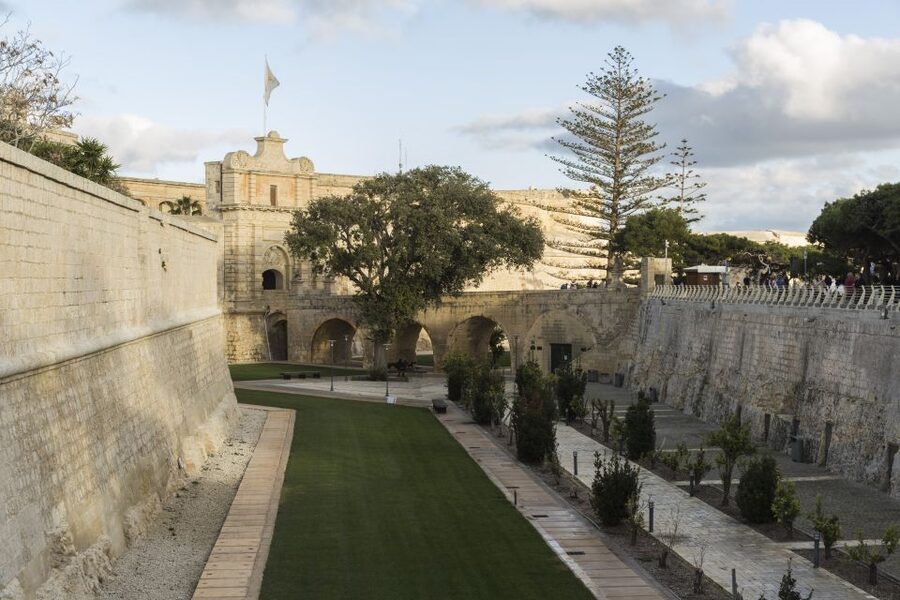
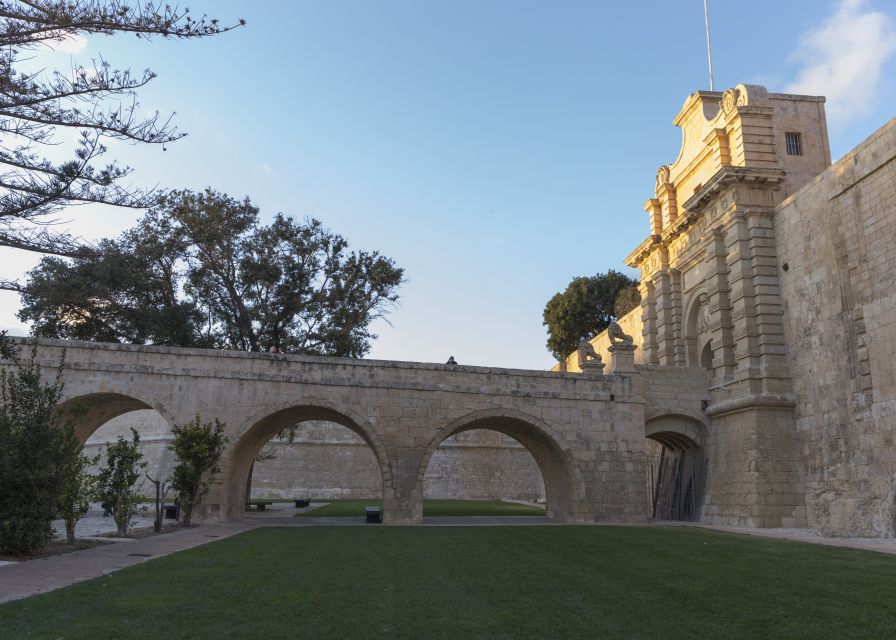
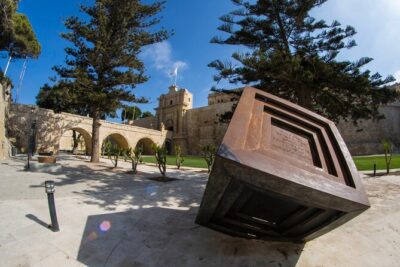
Your visit begins at Mdina’s Main Gate, by the bridge. This is a sensible starting point because the approach gives you an immediate feeling for Mdina as a fortified hilltop settlement rather than simply another pretty Maltese town.
The opening talk covers the city’s background before the walk gets moving. That context matters here. Mdina was founded by the Romans and served as the administrative and political capital of the Maltese Islands for almost two centuries. It remains the seat of Malta’s episcopacy, so the city’s religious role is not just a footnote in an old guidebook.
I appreciate tours that begin with a clear map of the past. Without one, Mdina can feel like a series of handsome stone buildings. With one, the walls, gates, palaces, and churches begin to fit together as parts of a working city.
Your guide may be holding an identifying sign or umbrella, but the meeting details can differ by booking option. Check the confirmation carefully before you leave for Mdina. One useful practical improvement would be clearer directions for finding the guide, especially if several groups gather near the gate.
More of Mdina and Rabat on foot:
- Malta: Mdina and Rabat Walking Tour with Catacombs
★ 4.8 · 1,126 reviews - Malta: Mdina and Rabat Tour with Local Guide
★ 5.0 · 408 reviews - Mdina and Rabat Walking Tour inc. Catacombs and St. Paul’s Grotto
★ 5.0 · 341 reviews
Mdina’s medieval lanes and noble palaces
Mdina is known by its medieval name, Città Notabile, or Noble City. The title reflects its connection with Malta’s noble families, who lived in the city and shaped its formal appearance.
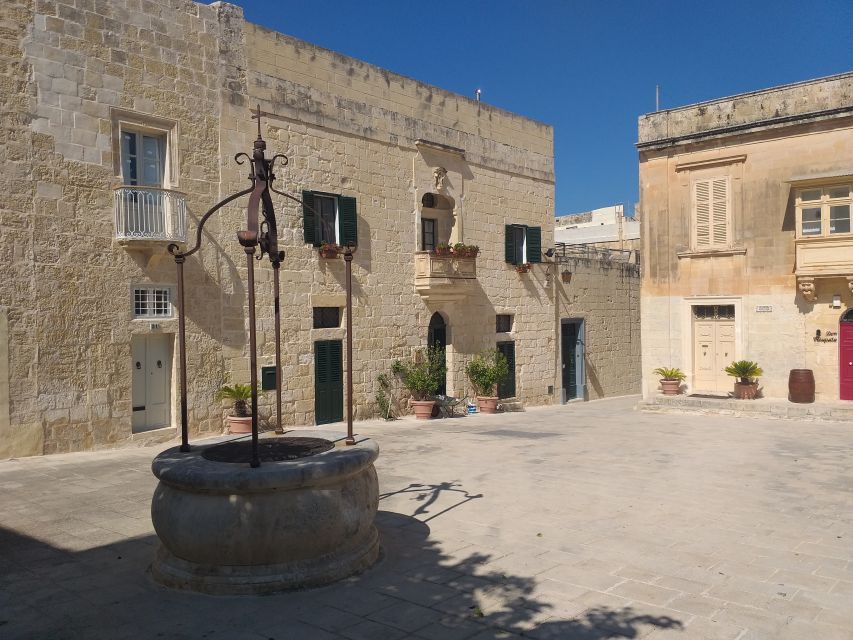
The route leads through narrow streets lined with palaces, churches, and convents. You will not simply pass these buildings as scenery. The guide points out architectural details and explains how they connect with Malta’s past, including the island’s many periods of outside rule and occupation.
This is where the walking format earns its $24 price. You can stop beside a doorway, look up at a façade, and hear why a detail matters. A self-guided stroll lets you enjoy Mdina’s atmosphere, but it is easy to miss the small features that make the city more than a photogenic maze.
One particularly good tip from the guiding team is to notice the door knockers. They come in different shapes and designs, and some carry stories of their own. This is exactly the sort of detail you might walk past without help, especially when your attention is fixed on the larger palaces and church fronts.
The lanes are described as enchanting, and that is fair, though the word can make Mdina sound too polished. The city is also quiet, formal, and slightly mysterious. Its appeal comes from the contrast between grand noble buildings and intimate streets where everyday life still continues.
Churches, convents, and the limits of the ticket
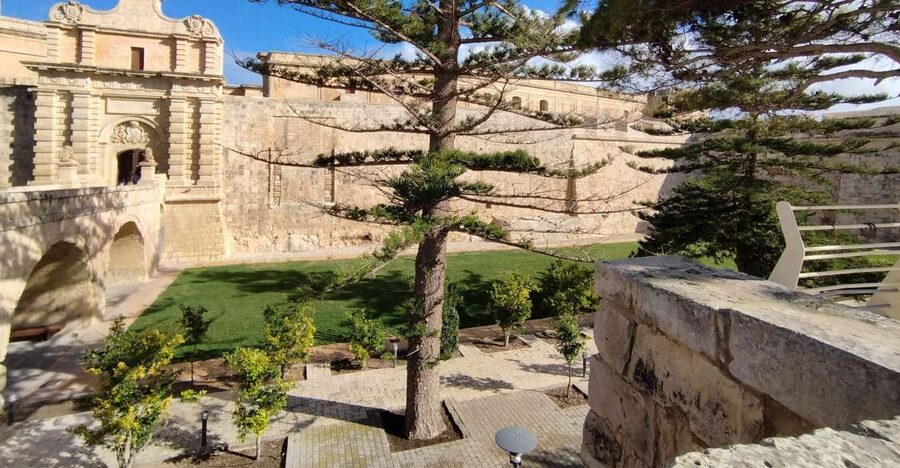
Churches and convents line the route, giving you plenty to look at from the outside. The tour price does not include entrance fees, however, so the guide may explain a building without taking you through its interior.
That arrangement keeps the base cost low and gives you control. If you are interested in religious art or want to see a particular church inside, you can choose to pay separately. If you prefer architecture, history, and street life, you are not forced to buy a combined admission ticket.
There is a tradeoff. A two-hour walk can introduce you to several important buildings, but it cannot provide a full museum visit as well. If a specific interior is central to your plan, check opening times and admission costs before the tour.
Timing also matters. One visitor joined on a bank holiday and found that many places were closed. That was not a fault with the guide, but it is a useful warning: avoid public holidays if interior access is a priority, or treat the tour as an outdoor history walk rather than a door-to-door sightseeing pass.
The guide’s style makes the history easier to follow
The strongest part of this tour is the guiding. Different guides lead the walk, but the comments about them are strikingly consistent: they explain clearly, keep a good pace, add humor, and answer questions without making the visit feel like a lecture.
Nadine is praised for her passion, local insight, and ability to mix serious facts with amusing stories. Angela and Angele are noted for clear delivery and strong knowledge of Mdina’s history. Marisa has offered restaurant suggestions along with historical background, while Charlotte has been praised for making the time pass quickly.
Ernest’s storytelling has also been singled out as easy to follow and enthusiastic. Other guides, including Visnja, Petra, Marina, and Andrere, have been appreciated for local knowledge, architectural detail, and a friendly manner.
That variety is worth noting because a walking tour depends heavily on the person leading it. The guide’s tone, volume, and sense of timing shape the whole morning or afternoon. Here, the repeated praise for relaxed delivery and personal warmth is a strong sign for anyone who prefers an engaging explanation over a memorized speech.
You should also expect some variation in the presentation. One guide may focus more on architecture, another on Maltese society, and another on stories connected to the buildings. That is part of the appeal, though it means the precise emphasis is not identical every time.
More walking tours on foot:
- Mdina: Private Historical City Walking Tour with Rabat Town
★ 4.5 · 41 reviews - Mdina and Rabat Private Walking Tour
★ 5.0 · 25 reviews - Mdina and Rabat Private Walking Tour with local pastizzi
★ 5.0 · 6 reviews - The Original Valletta Walking Tour
★ 5.0 · 2,719 reviews
Radio headsets help in narrow streets
Several guides use individual radio headsets, and this is more useful than it may sound. Mdina’s lanes can make it hard to gather around one speaker, particularly when the group is moving or other people are nearby.
With an earpiece, you can stay slightly to the side, take a photograph, and still hear the explanation. On a crowded day, this can make the difference between following the story and catching only fragments.
The equipment has not always been perfect. A headset problem has occurred, but the guide resolved it quickly. That is a minor practical issue rather than a reason to avoid the tour, yet it is worth knowing that a new device can occasionally need attention.
The audio also helps the guide keep a natural speaking voice. Instead of shouting in a stone lane, the guide can talk at a comfortable volume. One particularly hot-day visit benefited from a route that kept the group in shade for much of the walk, although the exact route and conditions will vary.
Walking from Mdina into Rabat
Mdina and Rabat sit close together, so the transition between them is straightforward. Rabat is only a short distance away, but it changes the mood of the visit.
Mdina presents the formal side of Malta: fortified walls, noble residences, churches, and carefully shaped streets. Rabat’s old quarter gives you a closer look at Maltese vernacular architecture, the kind of local building style that can be easy to overlook when a grand historic center receives all the attention.
I like this pairing because it keeps the tour from becoming too focused on aristocratic Mdina. Rabat adds an everyday layer and helps you understand the two places as connected communities rather than separate postcard stops.
The Rabat portion is not presented as a long independent sightseeing program. It is a compact continuation of the walk, so you should not expect an extended visit to every nearby attraction. If you want to visit places such as St. Paul’s Catacombs, plan that separately and allow time for the admission fee. A visitor specifically recommended it as a worthwhile €6 addition, but it is not included in this walking tour.
A relaxed two-hour route, not a full-day program
The duration is one of the tour’s advantages. Two hours is enough to give Mdina and Rabat shape without taking over your day in Malta.
The pace is regularly described as gentle or relaxed. That makes the tour suitable if you want time to look up at buildings, ask questions, and take photographs. It also works well as an introduction before returning later to explore independently.
The walk is not designed for people seeking a fast checklist of every attraction. The guide stops to explain details, and the old streets reward that approach. You may cover less ground than you would alone, but you will understand more of what you are seeing.
Wear comfortable shoes even if you normally manage city walks in ordinary footwear. The route uses historic streets, and you will spend the full two hours on foot. The tour is wheelchair accessible, but the old urban setting can still present practical questions for some visitors. If you use a wheelchair, confirm the meeting point and route arrangements in advance.
The tour runs at different starting times depending on availability. Morning and afternoon conditions can feel very different in Malta, especially in summer. You may find an earlier start more comfortable on a hot day, while a later visit can offer a softer quality of light. The available time should guide your booking.
What $24 buys you in real value
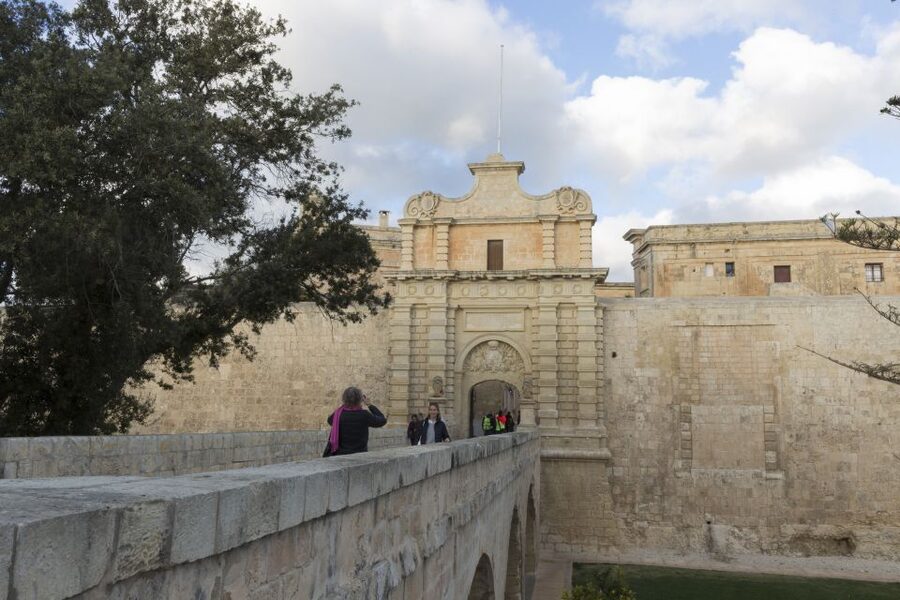
At $24, this is a reasonably priced way to add structure to a visit that many people would otherwise explore alone. You are paying mainly for interpretation, not transportation or admissions.
That distinction is important. Mdina is free to walk around, and Rabat is close by, so you can visit the area without booking anything. The tour earns its price by helping you notice features you might miss, connecting architecture with Malta’s political and religious past, and offering local suggestions for food and further sightseeing.
Restaurant advice is a useful extra. Guides such as Marisa and Nadine have offered ideas about where to eat and what to see afterward. Since recommendations can change, treat them as starting points rather than guarantees, but local guidance is still helpful when you have only a short time on the island.
I would call the tour good value for first-time visitors, history fans, and anyone who wants a clear introduction before wandering alone. It is less valuable if you already know Mdina and Rabat well, or if you want to spend most of your time inside museums and churches.
The free cancellation period, up to 24 hours before the tour, gives you some flexibility. You can also reserve and pay later, which is useful when your Malta schedule depends on weather, transport, or a cruise timetable.
Who should book this Mdina and Rabat walk?
I would recommend it to you if:
- You are visiting Mdina for the first time.
- You want Malta’s history explained in plain language.
- You enjoy architecture but do not always know what details to notice.
- You prefer a calm walking pace to a rushed sightseeing circuit.
- You want local suggestions for food or other sights.
- You are comfortable spending two hours outdoors and on foot.
Families, older visitors, and people who dislike long lectures may find the format appealing. The walk is not described as strenuous, and the pacing has been well received. The headset system is also useful if you need to stay near the back of a group.
You may want to skip it if your main goal is independent photography with no scheduled stops. You might also prefer to visit on your own if you have already studied Mdina’s past or plan to spend the day moving between several paid attractions.
How to make the most of the visit
Arrive with comfortable shoes and enough time to locate the guide at the Main Gate. Since the meeting point can vary by option, do not rely only on a general map pin.
Bring water, especially in warm weather, although the tour information only specifically requires comfortable footwear. Listen for small details rather than waiting only for famous monuments. Door knockers, street layouts, church façades, and local building styles are part of what makes the walk worthwhile.
If you want to enter a church, museum, or St. Paul’s Catacombs, check the additional fee and opening hours before you go. A public holiday can affect access, so choose an ordinary day if interiors matter to you.
Keep some time after the tour to revisit the places that caught your attention. One benefit of the guided walk is that you finish with a better sense of where you want to linger. Mdina is especially rewarding when you can slow down after the main explanations and simply watch the city around you.
Should you book it?
Yes, I would book this tour if you want a well-paced introduction to Mdina and Rabat rather than a silent stroll through attractive streets. The repeated strengths are clear: excellent local guides, easy-to-follow storytelling, and useful small details that bring the old city into focus.
Book with realistic expectations. The $24 covers the guide and the two-hour walk, not church or museum admissions. Choose a day when places are likely to be open, wear proper shoes, and confirm the meeting instructions. For a first visit to Malta’s Noble City, this is a practical and fairly priced way to begin.
FAQ
How long is the Mdina and Rabat walking tour?
The guided walking tour lasts two hours.
How much does the tour cost?
The listed price is $24 per person.
Where does the tour begin?
The usual meeting point is Mdina’s Main Gate by the bridge. The exact meeting point can vary depending on the option booked.
Which language is the tour conducted in?
The live tour guide speaks English.
Are entrance fees included?
No. Entrance fees for churches and museums are not included in the tour price.
Is the tour wheelchair accessible?
Yes, the tour is listed as wheelchair accessible.
What should I bring?
Comfortable shoes are recommended because the experience involves two hours of walking through historic streets.
Can I cancel the booking?
You can cancel up to 24 hours in advance for a full refund. The tour also offers a reserve-now, pay-later option.
Just added around Mdina
- 30-Minute Mdina Experience Audio-Visual Show Ticket (Open Ticket)★ 4.5 · 4 reviews
- Mdina and Rabat Private Walking Tour with local pastizzi★ 5.0 · 6 reviews
- Mdina, Dingli cliffs and San Anton Gardens guided tour★ 3.5 · 14 reviews
- Proposal Photoshoot with Professional Photographer in Malta★ 5.0 · 15 reviews
- Guided Night Tour of Valletta Waterfront, Mdina and Rabat★ 4.5 · 22 reviews
- Mdina: The Mdina Experience Audio-Visual Show (Open Ticket)★ 4.3 · 22 reviews
- Palazzo Falson Historic House Museum entrance ticket★ 4.7 · 22 reviews
- Mdina and Rabat Private Walking Tour★ 5.0 · 25 reviews
City Tours, compared.

Gozo: City Sightseeing Hop-On Hop-Off Bus Tour
Read our review →
City Sightseeing HOHO Bus Tour & Optional Boat Tour
Read our review →

Browse the lists this tour appears in