
Reviewed · MUSEUMS
Palazzo Falson Historic House Museum entrance ticket
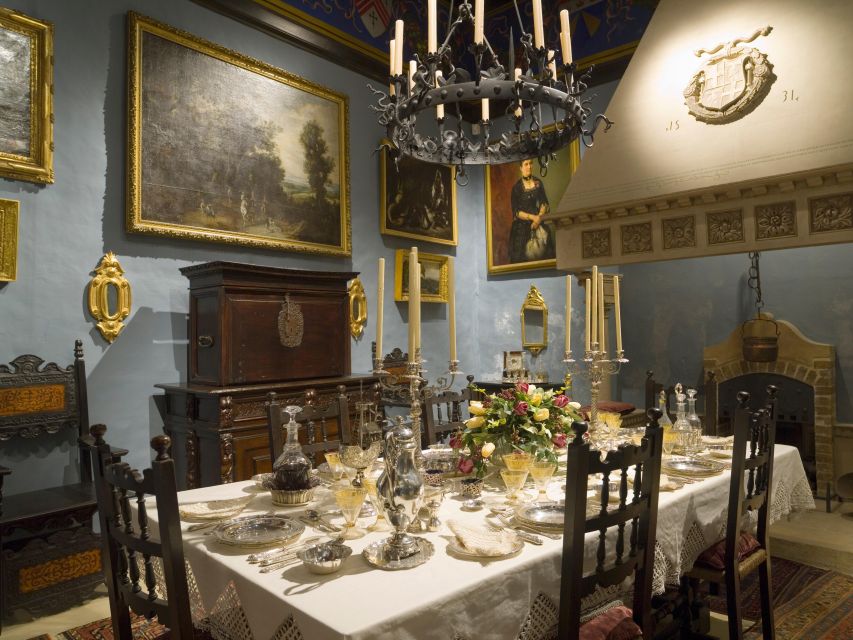
Mdina keeps its best stories indoors. Palazzo Falson Historic House Museum gives you a close look at one of Malta’s oldest surviving buildings, along with the remarkable personal collection of Captain Olof Frederick Gollcher. I like the way the visit combines a medieval noble residence with paintings, silver, books, armoury, rugs, and everyday objects that make the house feel personal rather than merely grand. I also like the rooftop café, where you can pause over coffee and look across Mdina and beyond.
The main consideration is pace. This is a self-guided museum visit, not a live guided tour with a fixed route or entertaining commentary from a guide. If you prefer dramatic storytelling or a fast overview, the large collection and 17-room layout may feel a little dense. The audio guide helps, but you will get the most from this place if you take your time.
In This Review
- Key points at a glance
- Why Palazzo Falson is worth your time in Mdina
- The medieval palace and its noble rooms
- From the Falson family to Captain Gollcher
- Seventeen rooms and 45 separate collections
- The paintings attributed to Preti and Ribera
- The library, manuscripts, and objects with a story
- What the audio guide adds
- Finishing with coffee above Mdina
- Price, timing, and practical value
- Who should visit Palazzo Falson?
- Should you book Palazzo Falson?
- FAQ
- Where is Palazzo Falson Historic House Museum?
- How much does admission cost?
- How long is the ticket valid?
- What is included with admission?
- Which languages are available for the audio guide?
- Is printed information available in other languages?
- Are young children allowed to join?
- Can I cancel the booking?
Key points at a glance
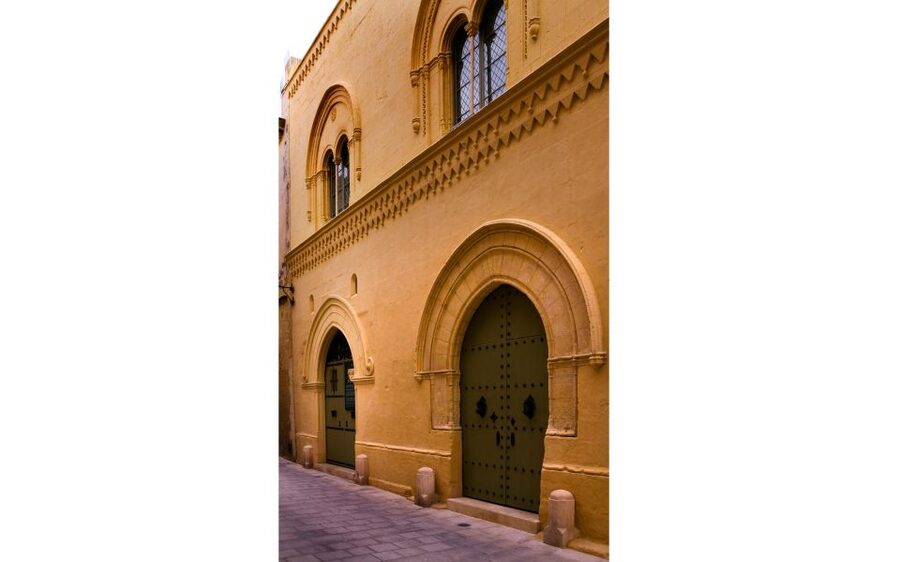
- One of Mdina’s oldest buildings: Palazzo Falson is the second oldest building still standing inside the walled city.
- More than 3,500 objects: Forty-five separate collections fill 17 rooms, covering art, furniture, books, jewellery, rugs, silver, and armoury.
- A real house, not just a display hall: The medieval rooms, internal courtyard, and original living quarters give the museum a strong sense of place.
- Important old master paintings: Several works date from the 17th century and are attributed to artists including Mattia Preti and Jusepe de Ribera.
- Audio guide in six languages: You can listen in English, French, German, Italian, Maltese, or Spanish.
- A pleasant finish above the rooftops: The upper-floor cafeteria offers views of Mdina and the surrounding area.
Why Palazzo Falson is worth your time in Mdina
Mdina is Malta’s former capital, a walled city where the narrow streets and stone buildings can sometimes feel like one grand historic set. Palazzo Falson gives you a chance to step inside that setting and see how a noble household functioned across several centuries.
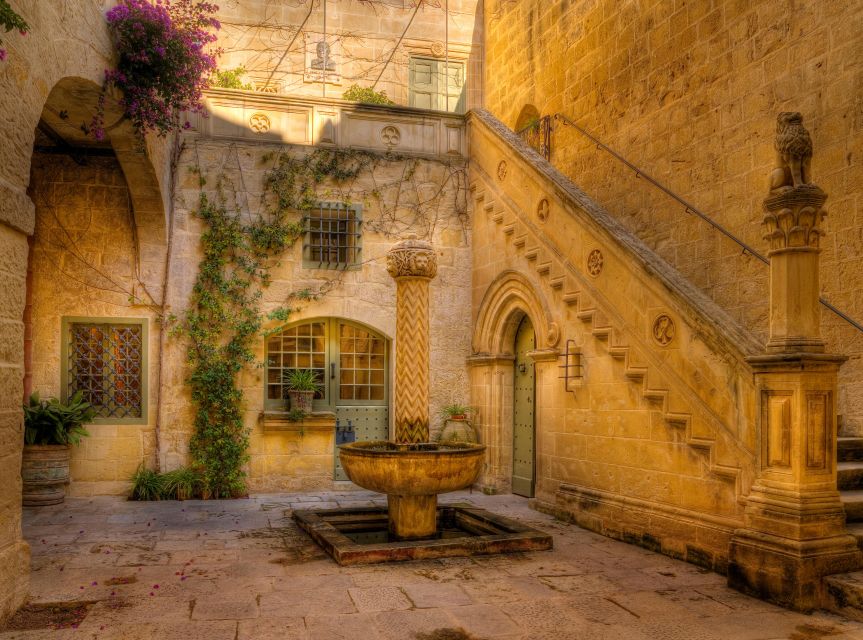
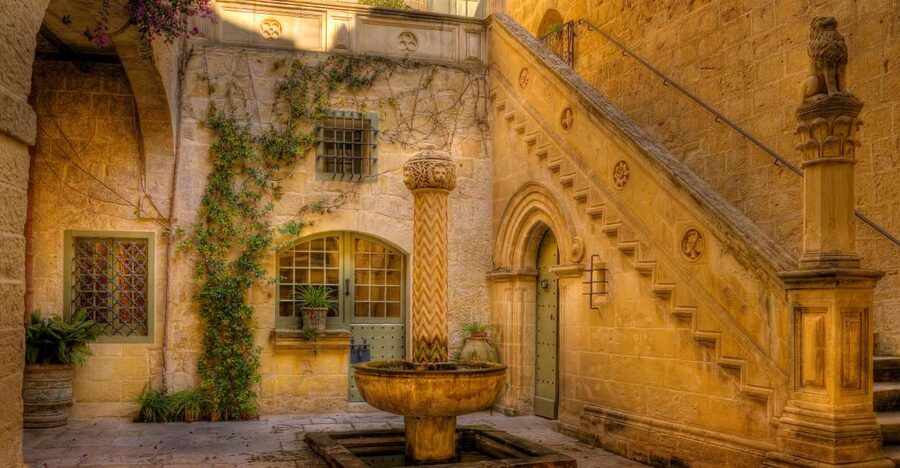
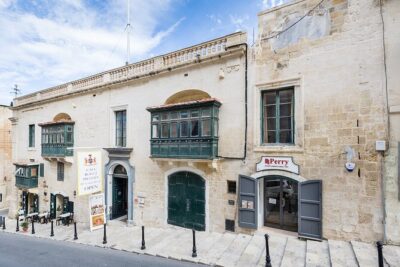
The building began in the early 13th century. It is a two-storey medieval palace shaped by Sicilian examples of the period and built as a family home for Maltese nobility. Its rooms wrap around an internal courtyard, while the piano nobile, or noble floor, contains the original living quarters.
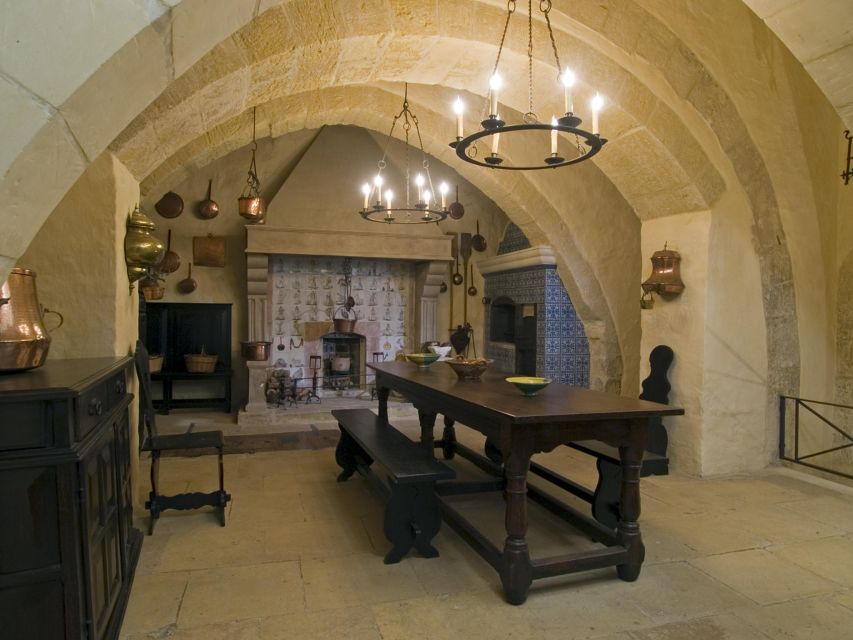
That layout matters. You are not simply walking from one gallery to another. You are moving through a building designed for domestic life, status, storage, study, and hospitality. The rooms at the rear of the courtyard form the oldest part of the property, giving the visit a direct connection to the earliest phase of the house.
The palace has carried several names over time, including Palazzo Cumbo-Navarra, Casa dei Castelletti, and the Norman House. Its present name comes from the Falson family, who inherited the property in the early 16th century.
More museums and collections:
- Mdina: St. Paul’s Cathedral and Mdina Museum Entrance Ticket
★ 4.5 · 89 reviews - Mdina: The Knights of Malta Museum Entry Ticket
★ 4.3 · 63 reviews - Malta Classic Car Collection Museum Entry Ticket
★ 4.9 · 247 reviews
The medieval palace and its noble rooms
The first pleasure here is architectural. Palazzo Falson is old in a way that is easy to miss if you rush through Mdina’s streets. Its age is written into the structure, the courtyard arrangement, and the relationship between the rooms.
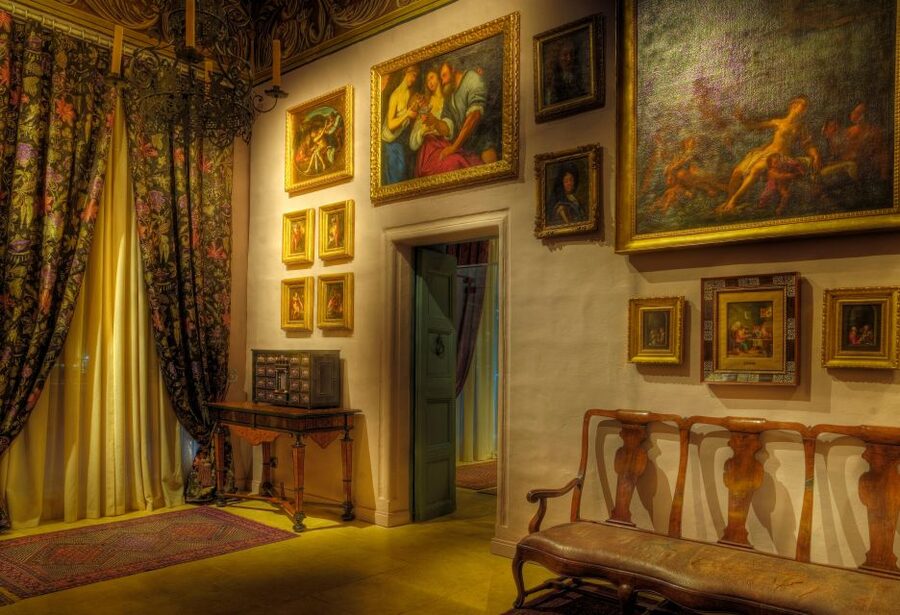
The palace was deliberately built as a residence, so the house museum has a different feel from a church or purpose-built art museum. You can consider how collections were arranged inside a private home, where objects were gathered for use, study, pleasure, or display.
The piano nobile is especially important. This was the principal floor of the house, and it preserves the main living quarters. I recommend paying attention to the connection between the rooms and the objects in them. A piece of furniture or a silver item has more meaning when you see it within a domestic setting rather than against a plain museum wall.
The internal courtyard also helps you understand the building’s structure. The rooms gather around it, creating a compact plan that reflects medieval domestic architecture. The property is not huge, but it is full of material, so the quality of your visit depends less on covering ground and more on giving each room enough attention.
From the Falson family to Captain Gollcher
Palazzo Falson has several strong historical links. In the early 16th century, it passed to Vice Admiral Michele Falson, who also served as Head of the Town Council. In 1530, after Malta was given to the Knights of the Order of St. John by Emperor Charles V, Grand Master Philippe Villiers de L’Isle Adam was hosted by Maltese nobles at the palace.
That detail places the building at an important turning point in Malta’s story. The Knights had just arrived, and Mdina was still the island’s major political center. You are not only seeing a noble home. You are seeing a place connected to the arrival of the order that would shape Malta for centuries.
The most recent owner and resident was Captain Olof Frederick Gollcher, who lived from 1889 to 1962. He was Swedish by descent and known as a researcher, artist, philanthropist, and collector. He also received several honours, including the O.B.E.
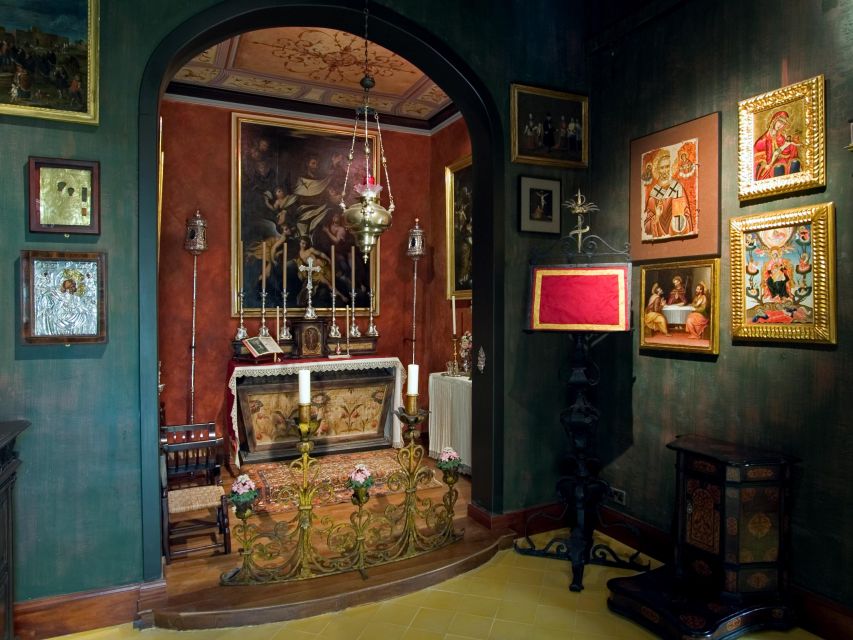
Gollcher’s interests explain the museum’s unusual range. The collection is not limited to one art form or period. It includes objects that reflect a serious collector’s curiosity, from paintings and manuscripts to Oriental rugs, armoury, jewellery, and furniture.
This is where the house becomes more than an old building. You get a sense of the tastes and interests of the person who assembled the collection. The result is broad, sometimes surprising, and more personal than a single-theme museum.
Seventeen rooms and 45 separate collections
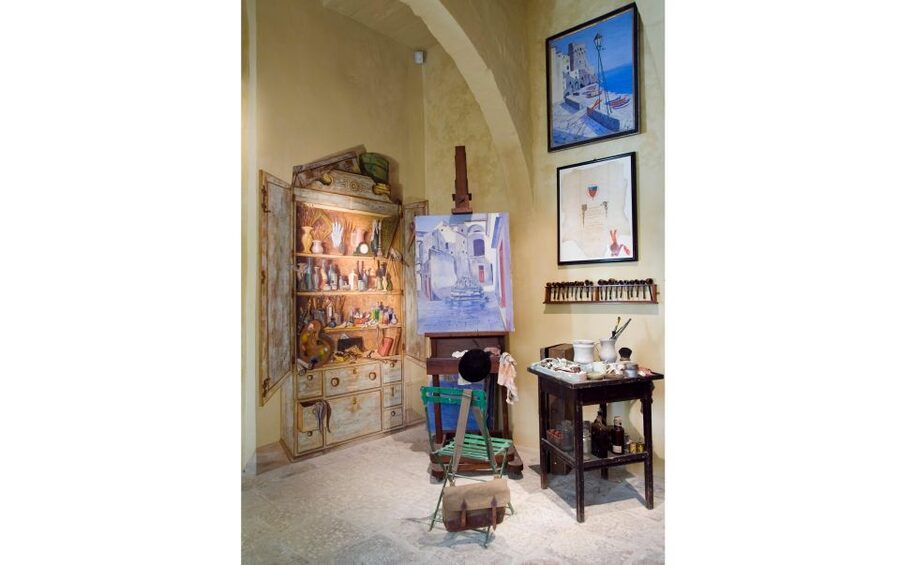
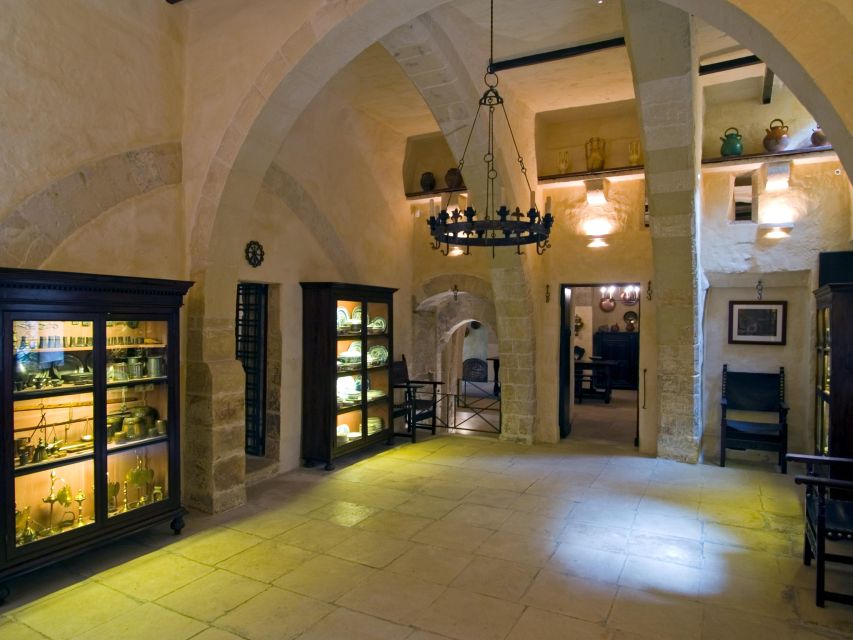
The collection includes more than 3,500 objects arranged across 17 rooms. Those numbers tell you what kind of visit to expect. Palazzo Falson is not a quick stop where you glance at a handful of famous pieces and leave in ten minutes.
Forty-five specific collections are represented. You may find yourself moving from paintings to silver, then from furniture to jewellery, books, manuscripts, rugs, or armoury. The variety is one of the museum’s greatest strengths, but it can also be the main challenge for anyone who prefers a clear chronological story.
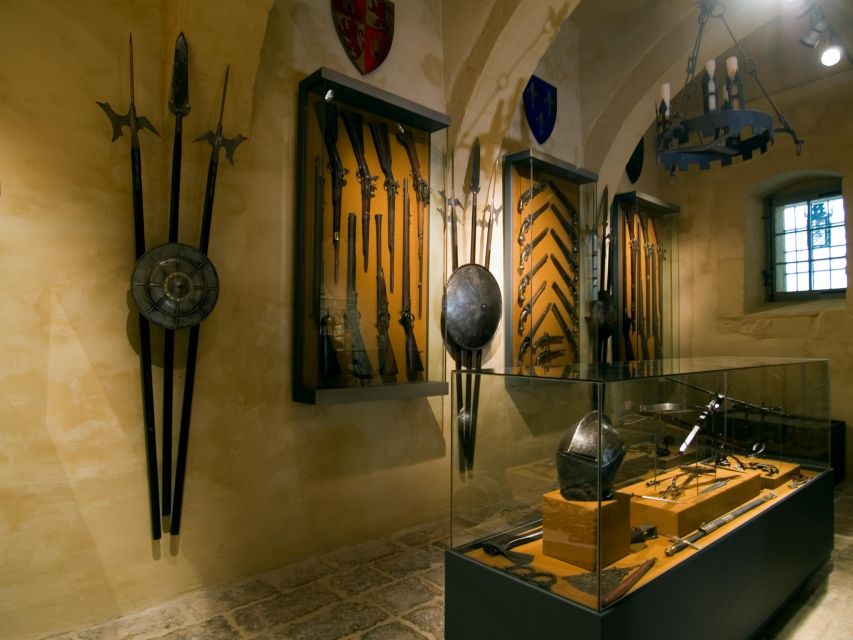
I like this kind of display because it rewards different interests. If you care about decorative arts, there is plenty to examine. If old books and manuscripts catch your eye, the library adds another layer. If you are more interested in military objects, the armoury provides a change of mood from the domestic rooms.
The collection also gives you a useful lesson in how private wealth was displayed. Furniture, silver, rugs, jewellery, and paintings were not isolated categories in a historic house. Together, they showed taste, education, status, travel, and connections beyond Malta.
You should resist the urge to treat every object as equally important. With thousands of pieces, it is better to use the audio guide and printed information to identify the highlights, then allow yourself time for the rooms that appeal to you most.
More history on the ground:
- Mdina: Private Historical City Walking Tour with Rabat Town
★ 4.5 · 41 reviews - Malta: Prehistoric Temples, Limestone Heritage & Blue Grotto
★ 4.2 · 412 reviews - Maltese Islands History Audio-Visual Show and La Sacra Infermeria Tour
★ 4.0 · 344 reviews - Valletta: Self-Guided Historical Walking Tour (Audio Guide)
★ 3.7 · 251 reviews
The paintings attributed to Preti and Ribera
The paintings are likely to be the main draw for many art-minded visitors. The collection contains several significant 17th-century works, including paintings attributed to Mattia Preti, Jusepe de Ribera, Jakob-Ferdinand Voet, Charles Beale, and Juriaen van Streeck.
These attributions give the collection real weight. Mattia Preti is especially relevant in Malta, where the Italian Baroque painter produced important works. A painting attributed to Jusepe de Ribera also connects the house to the dramatic Spanish and Italian art of the 17th century.
Do not expect a large national gallery. The appeal here is the setting. Paintings appear as part of a private collection displayed in a historic residence, alongside furnishings and other objects. That setting can make the art feel more intimate, even when the works themselves are serious pieces.
If you are not familiar with the artists, the audio guide and printed material should help you understand what deserves closer attention. The included audio guide is available in English, French, German, Italian, Maltese, and Spanish.
The library, manuscripts, and objects with a story
The library contains more than 4,500 books, along with highly valuable manuscripts. This is one of the parts of the museum that can be easy to underestimate. Paintings catch the eye quickly, but a library reveals the habits and ambitions of its owner.
A collection of this size suggests that Gollcher was not simply buying attractive objects. His interests included research and historical material, and the books and manuscripts point to a more serious intellectual side.
You might find the library especially worthwhile if you enjoy the physical details of older books, the idea of collecting knowledge, or the connection between a collector’s reading and the rest of the house. The books help explain why the collection includes such a wide range of subjects.
The same is true of the smaller objects. Silver, jewellery, and furniture may not carry the same instant recognition as a famous painting, but they help you imagine how the house was used. Armoury adds another contrast, bringing military history into rooms otherwise shaped by domestic life and art.
What the audio guide adds
The audio guide is included with admission and is available in six languages. This is important because Palazzo Falson has a lot to take in, and the objects do not always explain themselves.
I would use the guide selectively rather than listening to every word from beginning to end. Start with the building’s story, then focus on the rooms and objects that interest you. That approach keeps the visit personal and prevents the information from becoming a wall of dates and names.
The listed host or greeter language is English, while the recorded guide is also available in French, German, Italian, Maltese, and Spanish. Printed information is offered in an unusually wide range of languages, including Arabic, Chinese, Czech, Dutch, Greek, Hungarian, Japanese, Polish, Portuguese, Russian, Slovak, Swedish, and others.
That printed material is useful if you prefer reading at your own pace or want a quick reference after listening. It also makes the museum easier to approach if your preferred audio language is not available.
Finishing with coffee above Mdina
The upper-floor cafeteria is a welcome part of the experience. From the terrace, you can enjoy views of Mdina and beyond, and one recent visit ended with coffee on the rooftop.
That small detail matters because historic house museums can become mentally crowded. After 17 rooms and thousands of objects, a quiet pause above the city gives you time to sort out what you have seen.
The café is not the reason to buy the ticket, but it improves the overall visit. You can treat it as a natural finish rather than rushing straight back into Mdina’s lanes. The view also gives you a different sense of the city’s position and scale.
I would plan the café break after the house rather than before it. That way, the rooftop becomes a clear ending point. If you are visiting Mdina with someone who is less interested in collections, the terrace may also give them something enjoyable to look forward to.
Price, timing, and practical value
Admission costs about $15 per person and is valid for one day. For that price, you are getting access to a medieval palace, 17 rooms, 45 collections, more than 3,500 objects, an audio guide, printed information, and the rooftop café area.
The value is strongest if you already plan to spend time in Mdina and want more than exterior views and street wandering. Palazzo Falson adds depth to the city visit without requiring a full-day excursion outside Mdina.
You should allow enough time to look properly. A rushed visit would miss much of the appeal, especially the library, manuscripts, furniture, and smaller decorative pieces. The exact starting times depend on availability, so check before you go.
The ticket includes free cancellation up to 24 hours before the visit, with a full refund, and you can reserve now while paying later. Those options are useful if your Malta schedule is still changing.
Children under six are not suitable for this activity. For older children, the mix of armoury, jewellery, unusual objects, and a historic building may work better than a traditional art gallery, though the amount of reading and listening could test younger attention spans.
Who should visit Palazzo Falson?
I would recommend this museum to you if you enjoy historic houses, private collections, old paintings, books, decorative arts, or the material side of Maltese history. It is also a good choice if you want a quieter cultural stop inside Mdina.
Art lovers should pay close attention to the 17th-century paintings and the names connected with them. Readers and collectors may prefer the library and manuscripts. Anyone interested in how historic homes worked will get the most from the courtyard, noble floor, furnishings, and room arrangement.
I would be more cautious if you want a short, highly structured attraction with a live guide. There is no indication of a scheduled walking tour or a named guide leading the visit. The experience depends on your own pace and on how much you choose to use the audio guide.
The rating of 4.7 from 22 reviews supports the idea that the museum delivers a strong experience, though the number of ratings is still fairly small. The most useful praise is practical: the house can be followed by coffee on the rooftop, making it easy to end the visit on a relaxed note.
Should you book Palazzo Falson?
Yes, if you want to see Mdina from the inside. For around $15, Palazzo Falson gives you architecture, art, books, furniture, armoury, and a collector’s home in one compact visit.
Book it if you like choosing your own pace and using an audio guide to make sense of a large collection. Skip it only if your Mdina schedule is extremely tight or you strongly prefer live storytelling over self-guided museums.
My best advice is to avoid racing through the rooms. Look first at the building, then use the guide to pick out the major paintings and objects that interest you. Finish with coffee on the upper terrace, where the view helps turn a crowded collection into a memorable part of your Mdina day.
FAQ
Where is Palazzo Falson Historic House Museum?
Palazzo Falson is located in Mdina, Malta’s former capital city.
How much does admission cost?
The entrance ticket costs about $15 per person.
How long is the ticket valid?
The ticket is valid for one day.
What is included with admission?
Admission includes entry to Palazzo Falson, an audio guide, and printed information.
Which languages are available for the audio guide?
The audio guide is available in English, French, German, Italian, Maltese, and Spanish.
Is printed information available in other languages?
Yes. Printed information is available in a wide range of languages, including Arabic, Chinese, Czech, Dutch, English, French, German, Greek, Hungarian, Italian, Japanese, Maltese, Polish, Portuguese, Russian, Slovak, Spanish, and Swedish.
Are young children allowed to join?
Children under six are not suitable for this activity.
Can I cancel the booking?
Yes. You can cancel up to 24 hours in advance for a full refund. You can also reserve now and pay later.
Just added around Mdina
- 30-Minute Mdina Experience Audio-Visual Show Ticket (Open Ticket)★ 4.5 · 4 reviews
- Mdina and Rabat Private Walking Tour with local pastizzi★ 5.0 · 6 reviews
- Mdina, Dingli cliffs and San Anton Gardens guided tour★ 3.5 · 14 reviews
- Proposal Photoshoot with Professional Photographer in Malta★ 5.0 · 15 reviews
- Guided Night Tour of Valletta Waterfront, Mdina and Rabat★ 4.5 · 22 reviews
- Mdina: The Mdina Experience Audio-Visual Show (Open Ticket)★ 4.3 · 22 reviews
- Mdina and Rabat Private Walking Tour★ 5.0 · 25 reviews
- Maltese Traditional Dinner and Folklore Show with Transfers★ 4.0 · 35 reviews
Museums, compared.

Malta Classic Car Collection Museum Entry Ticket
Read our review →
Skip the Line: Malta Classic Car Museum Admission Ticket
Read our review →
Casa Rocca Piccola Palace and Museum Entrance Ticket
Read our review →
Mdina: St. Paul’s Cathedral and Mdina Museum Entrance Ticket
Read our review →
Casa Rocca Piccola palace & museum entrance ticket
Read our review →
Aviation Museum, Mosta Church, WWII Shelters inc. Platter
Read our review →Browse the lists this tour appears in