
Reviewed · HISTORICAL TOURS
The Taste and History of Valletta
Valletta tastes better on foot. This 3.5-hour food and history walk links everyday Maltese cooking with the city’s grand churches, old buildings, and fortress streets. I especially like the generous food portions and the smart spacing between stops, which lets you enjoy the next tasting without feeling rushed or overly full.
I also like that the route begins outside St John’s Co-Cathedral and ends in Pjazza Jean de Vallette, so you get both a clear meeting point and a useful finish in the center. The main consideration is the price, $118 per person. That is a serious spend for a walking tour, so you will want to arrive hungry and value the guide’s historical commentary, not just the snacks.
In This Review
- Key points to know before booking
- Why this Valletta food walk works
- Meeting outside St John’s Co-Cathedral
- Coffee and pastries at a Maltese landmark
- A local snackbar for ftira and a Maltese drink
- An 1874 building and a proper Maltese meal
- Maltese chocolate to finish
- The history between the bites
- How much food do you receive?
- Is $118 a fair price?
- Who should book this experience?
- Booking and practical advice
- Should you book the Taste and History of Valletta?
- FAQ
- Where does the Taste and History of Valletta tour begin?
- Where does the tour finish?
- How long does the experience last?
- What language is the tour conducted in?
- What food and drinks are included?
- Is this a walking tour?
- Can I cancel the booking?
Key points to know before booking
- A full Maltese meal in small bites: You may taste pastizzi, ftira, street food, pastries, chocolate, wine, beer, or Malta’s own soft drink.
- The route connects food with place: Stops include a cafe with more than 180 years of stories, an 1874 building, and streets tied to Valletta’s role as a fortress city.
- Generous portions are part of the appeal: The tastings are substantial enough to replace a light lunch for many people.
- English-speaking local guidance: Guides such as Andrew and Caroline have been praised for making Valletta’s past engaging and easy to follow.
- A walking tour with regular sitting breaks: You will cover a fair amount of ground, but the food stops break up the walk.
- A high satisfaction record, with a small sample: The experience carries a 4.9 rating from eight reviews, with food quality and historical context receiving the strongest praise.
Why this Valletta food walk works
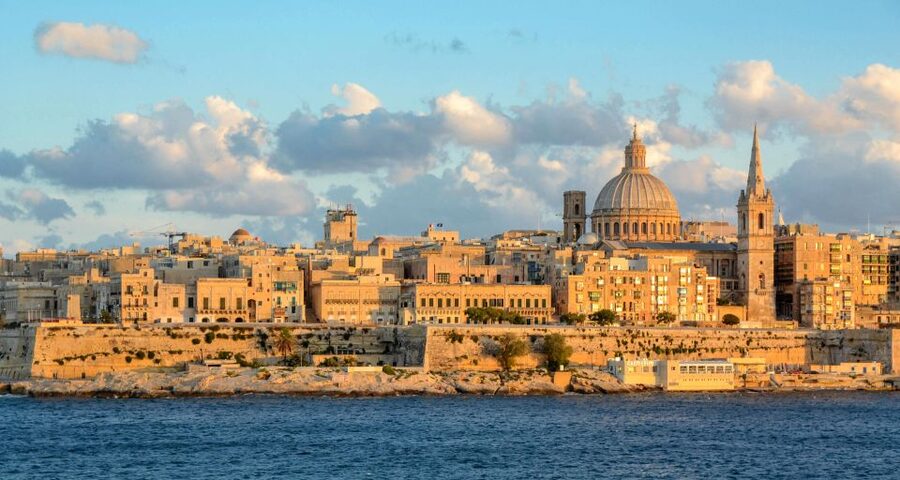
Valletta is compact, but it can feel like a stone maze when you first arrive. Its straight streets, steep steps, ornate facades, and busy central lanes make more sense when someone explains how the city was planned and why it mattered.
That is where this tour earns its keep. You are not simply taken from one snack counter to another. The guide connects what you eat with Malta’s past, local habits, and the buildings around you. A pastry becomes part of the morning routine. A ftira shows how simple bread can carry a meal. A glass of Maltese wine gives you a taste of the island’s own food culture rather than a generic stop at an international restaurant.
The route lasts about three and a half hours. That is long enough for several food stops and a proper walk, but not so long that the experience takes over your entire day. You start at Misrah San Gwann, outside St John’s Co-Cathedral, and finish at Pjazza Jean de Vallette.
The small-group setup matters here. Food tours work best when you can hear the guide, ask a question, and sit comfortably at a stop. The exact group size is not provided, but the experience is described as intimate and personalized rather than a large procession through the streets.
More history on the ground:
- Valletta: Self-Guided Historical Walking Tour (Audio Guide)
★ 3.7 · 251 reviews - Heritage Pass in Malta
★ 3.5 · 14 reviews - Hagar Qim temple (UNESCO) and Limestone Heritage guided tour
★ 3.5 · 11 reviews
Meeting outside St John’s Co-Cathedral
The tour begins in front of St John’s Co-Cathedral, one of the easiest landmarks to use in central Valletta. Your guide waits there before leading the group into the surrounding streets.
This is a useful starting point even if you are new to the city. You do not have to hunt for a small shop entrance or a restaurant tucked into an alley. It also puts you near one of Valletta’s most important historic buildings from the first minute.
The walking portion is not a formal sightseeing circuit with a long list of monuments. Instead, the guide uses the streets and buildings as a backdrop for the food. Expect stories about Valletta’s role as a fortified city, its architecture, and its place as a UNESCO World Heritage site.
Wear comfortable shoes. The route includes a fair amount of walking, and Valletta’s streets are not designed for flimsy footwear. Layers are sensible too, since Malta’s weather can change during the day. Bring an appetite, but also bring curiosity. The point is to try local food with some context, not simply collect samples.
Coffee and pastries at a Maltese landmark
The first food stop is a Maltese landmark with more than 180 years of stories behind it. Here, you taste traditional coffee and several pastries while hearing how the cafe became part of local life.
This is a strong opening because it starts with the kind of place you could easily pass without understanding its importance. A historic cafe is not only a backdrop for coffee. It shows how food traditions survive through ordinary daily habits, and how a business can become part of a city’s social memory.
The pastry tasting also gives you an early introduction to Maltese flavors and textures. The available information does not name every pastry served at this stop, so you should not expect a fixed list of items. The focus is on traditional choices and the story behind the establishment.
If you prefer a slow start, this stop should suit you. You can settle into the group, listen to the guide, and begin with smaller tastes rather than a full plate. It is also a good point to ask questions about ingredients or local eating customs.
A local snackbar for ftira and a Maltese drink
Next comes a local snackbar, where you taste ftira with either a Maltese soft drink or Malta’s award-winning beer. This is one of the tour’s more useful stops because it shifts from old cafe culture to casual local eating.
Ftira is a Maltese bread specialty, and here it is presented as part of a snack or light meal. The tour information also identifies an excellent tuna sandwich among the food sampled on one outing. That gives you a sense of the route’s style: familiar, filling food rather than tiny decorative bites designed only for photographs.
You may choose the soft drink if you want to keep the tour alcohol-free, or select the local beer if that better suits you. The choice adds flexibility without turning the stop into a complicated tasting session.
This is also where the generous portions become important. One of the clearest pieces of practical advice from the experience is to come hungry. The servings are not merely token samples, and several stops are spaced out to give you time to digest.
A few more Malta trips worth weighing up
- From Malta: Full-Day Gozo UTV Tour with Lunch and Boat Ride
★ 4.6 · 4,408 reviews - The Original Valletta Walking Tour
★ 5.0 · 2,719 reviews - Valletta: 3-Hour Walking Tour
★ 4.7 · 1,605 reviews - From Malta: Full-Day Gozo Quad Tour with Lunch and Boat Ride
★ 4.8 · 1,419 reviews
An 1874 building and a proper Maltese meal
The most substantial food stop takes place in an enchanting building dating from 1874. It now houses a restaurant specializing in traditional Maltese cuisine.
The setting gives this part of the tour a stronger sense of place than a standard restaurant visit. You are eating inside a building with its own history, while the guide explains how Valletta changed over time and how local cooking developed alongside it.
Expect a selection of Maltese dishes paired with Maltese wine. The exact dishes are not listed in advance, so the menu may vary. That is worth keeping in mind if you need to plan around a particular allergy, dietary rule, or strong dislike. The available details do not promise vegetarian, vegan, gluten-free, or alcohol-free food beyond the soft drink option at the snackbar.
The wine pairing adds value for people who want a broad introduction to Malta rather than a single famous dish. You get to compare flavors across several courses and see how local food is served in a traditional restaurant setting.
One small point of balance: the guide’s strongest role may be while you are walking. One person enjoyed the historical information but found the guide quieter during seated meals. If you want nonstop conversation at the table, this may feel a little subdued. If you prefer to eat without a lecture over every bite, the quieter dining time may be welcome.
Maltese chocolate to finish
The final stop is a chocolate shop producing chocolates made in Malta. It is a neat way to close the tour because dessert gives you a final taste without adding another full meal.
This stop also provides a useful contrast with the savory food earlier in the route. After coffee, pastries, ftira, sandwiches, street food, and a restaurant meal, chocolate offers a simple ending and a chance to think about how Maltese businesses present local products today.
The chocolates are described as made in Malta, but no specific flavors or number of pieces is provided. You should treat this as a tasting stop rather than a guaranteed shopping session with a set package.
Ending at Pjazza Jean de Vallette is practical. You are left in a central part of Valletta, with the rest of the afternoon available for sightseeing, shopping, or another meal if your appetite has somehow survived.
The history between the bites
The food is the hook, but the walking commentary is what gives the tour its shape. Valletta’s importance comes from more than attractive stone streets. The guide discusses its role as a fortress city, its architecture, major historic landmarks, and its UNESCO World Heritage status.
That context makes the route more useful than a restaurant crawl. You begin to notice why streets are arranged as they are, why certain buildings have such weight, and how the city’s identity has been shaped by its position and past.
Andrew received particularly warm praise for combining food with historical information about the area. Caroline was also singled out for explaining historical facts in an engaging way. Those names matter because the quality of a walking tour depends heavily on the person leading it. The company is Mark My Travel Ltd, but the guide you receive may vary.
The tour also includes updates about modern Valletta, not just old dates and military stories. That balance is valuable. You can learn about the city’s past without treating Valletta like a museum where nothing changes.
How much food do you receive?
The portions appear to be generous enough that you should not plan a large lunch immediately afterward. One account specifically praised the generous servings and the spacing between stops.
The published food outline includes:
- Traditional coffee and different pastries
- Ftira
- A Maltese soft drink or award-winning Maltese beer
- A tuna sandwich and other street food samples
- Several traditional Maltese dishes
- Maltese wine
- Chocolates made in Malta
Not every item is guaranteed on every departure, since the exact selection is not set out in detail. Still, the range is broad. You get breakfast-style flavors, casual street food, a sit-down meal, alcohol or a soft drink, and dessert.
I would schedule this tour when you can let breakfast be light. Arriving full would make the experience poor value, especially at $118. You should also mention dietary needs before booking if they matter to you, since no detailed dietary policy is supplied.
Is $118 a fair price?
At $118 per person, this is not a bargain food walk. You are paying for more than the food itself: a 3.5-hour English-language guide, a walking route through central Valletta, several tastings, a restaurant stop, drinks, and a small-group format.
The value is strongest if you would otherwise spend time and money finding these places yourself. The guide takes you to a long-established cafe, a local snackbar, a traditional restaurant in an 1874 building, and a chocolate shop. You also get the stories that connect them.
The price is less convincing if your main goal is a cheap way to sample one or two Maltese snacks. You could spend less by ordering a pastizz, ftira, drink, and dessert on your own. You would not, however, get the same route planning or historical explanation.
The high 4.9 rating is encouraging, but it comes from only eight reviews. I would read that as a strong early signal, not a guarantee that every departure will be perfect. Guide style can vary, and one account found the guide a little quiet during seated meals.
Who should book this experience?
I would recommend it to first-time visitors who want a quick introduction to Valletta through food. You get a practical orientation to the center, several local tastes, and enough background to make later independent sightseeing more rewarding.
It also suits people who prefer a guided experience with regular breaks. You walk, sit, eat, listen, and move on. That rhythm is easier than a nonstop historical tour and more informative than eating alone from a list of restaurants.
Food-curious couples, solo visitors, and small groups should find the format appealing. The English-language guiding and intimate group design make it easier to ask questions and follow the conversation.
I would think twice if you dislike walking, need a tightly fixed menu, or want a tour focused only on landmark interiors. This experience is about food and city stories from the streets. It does not promise entry to every major attraction, and the tastings may change.
Booking and practical advice
You can cancel up to 24 hours before the experience for a full refund, and you can reserve now and pay later. Check the available start times before booking, since the tour runs for 3.5 hours and may affect plans for a museum visit or evening meal.
The meeting point is in front of St John’s Co-Cathedral at Misrah San Gwann. The finish is Pjazza Jean de Vallette. Plan to arrive with time to find the cathedral and avoid beginning the tour flustered.
Bring:
- Comfortable shoes for a fair amount of walking
- Weather-appropriate layers
- Any needed weather accessories
- An open appetite
- Questions about Maltese food and Valletta’s past
There is no stated accessibility information, so contact the provider before booking if stairs, uneven streets, or extended walking are a concern. The route is described as a walking tour, and no transport is included.
Should you book the Taste and History of Valletta?
Book it if you want a substantial food introduction paired with real city context. The strongest reasons are the generous portions, the sensible gaps between tastings, the range of stops, and guides such as Andrew and Caroline who have been praised for making the history engaging.
Skip it if $118 feels too high for a food walk, or if you want complete control over every dish and drink. For everyone else, this is a useful first-day Valletta experience. You leave with a fuller stomach, a better sense of the city’s streets, and a clearer idea of which Maltese foods deserve a second try.
FAQ
Where does the Taste and History of Valletta tour begin?
It begins at Misrah San Gwann, with the guide waiting in front of St John’s Co-Cathedral.
Where does the tour finish?
The tour ends at Pjazza Jean de Vallette.
How long does the experience last?
The tour lasts 3.5 hours.
What language is the tour conducted in?
The live guided tour is conducted in English.
What food and drinks are included?
The experience includes traditional coffee, pastries, ftira, a Maltese soft drink or Maltese beer, traditional Maltese dishes, Maltese wine, and chocolates made in Malta. The exact selection may vary.
Is this a walking tour?
Yes. It is a guided walking tour through Valletta, and you should wear comfortable footwear because you will walk a fair amount.
Can I cancel the booking?
Yes. You can cancel up to 24 hours in advance for a full refund. You can also reserve now and pay later.
Just added around Valletta
- Tour of Malta (Private Driver) Including Lunch Platter & Wine in the countryside★ 4.5 · 3 reviews
- Valletta Private Historical and Cultural Walking Tour★ 5.0 · 4 reviews
- Shore Excursion: Private Full-Day Tour of Valletta & Mdina★ 5.0 · 4 reviews
- Private Tour in Malta Prehistoric Temples & Mdina★ 5.0 · 4 reviews
- Private Tour of the Maltese Island (Private Driver)★ 5.0 · 4 reviews
- Leisure Pass in Malta★ 4.0 · 4 reviews
- Valletta: Express Walk with a Local in 60 minutes★ 4.9 · 4 reviews
- Malta tour 3Cities , Marsaxlok ,Blue grotto Hagar qim★ 4.9 · 4 reviews
Historical Tours, compared.
Prehistoric Temples, Limestone Heritage & Blue Grotto
Read our review →
Maltese Islands History Audio-Visual Show and La Sacra Infermeria Tour
Read our review →
Self-Guided Historical Walking Tour (Audio Guide)
Read our review →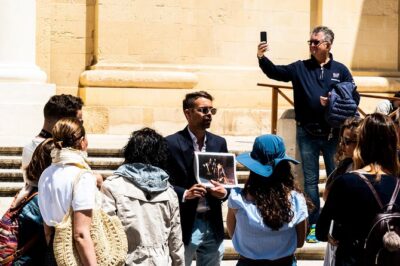
Wonderful Valletta, gastronomy, art, and history in the Mediterranean
Read our review →
Mdina: Private Historical City Walking Tour with Rabat Town
Read our review →
The Limestone Heritage Park and Gardens (Entry Ticket)
Read our review →Browse the lists this tour appears in