
Reviewed · MALTA
Pastizzi Making Experience in Malta
Pastizzi turn flour into Malta’s edible calling card. This two-hour class in a Sliema home kitchen gives you hands-on practice with a family recipe, from preparing the dough to shaping the famous ricotta and curried pea pastries. I like the small group of no more than eight, which should make it easier to get help at the worktable, and I like that the lesson connects cooking with Maltese food traditions rather than treating pastizzi as just a quick snack.
The warm, personal approach is another plus. Host Michela, also called Miki, is praised for being patient, welcoming, and passionate about Maltese food culture. The main consideration is that $52.09 per person is more than you would pay for a pastizz at a local shop, so the value depends on wanting the cooking lesson and cultural context, not simply a cheap meal.
In This Review
- Key points to know before you book
- Why pastizzi are worth a cooking lesson
- Arriving at the Sliema home kitchen
- Preparing the dough by hand
- Two fillings, two sides of Maltese snack culture
- Freshly baked pastizzi at the finish
- The host makes the difference
- Who will enjoy this pastizzi class most
- Booking early and planning your day
- Should you book the Pastizzi Making Experience?
- FAQ
- Where does the Pastizzi Making Experience begin?
- Where does the activity end?
- How long does the experience last?
- How much does the experience cost?
- How many people can join the class?
- What types of pastizzi fillings are included?
- Is public transportation available near the meeting point?
- Can I cancel for a full refund?
Key points to know before you book
- Cook in a real Sliema home kitchen: The setting gives the class a personal feel instead of a restaurant demonstration.
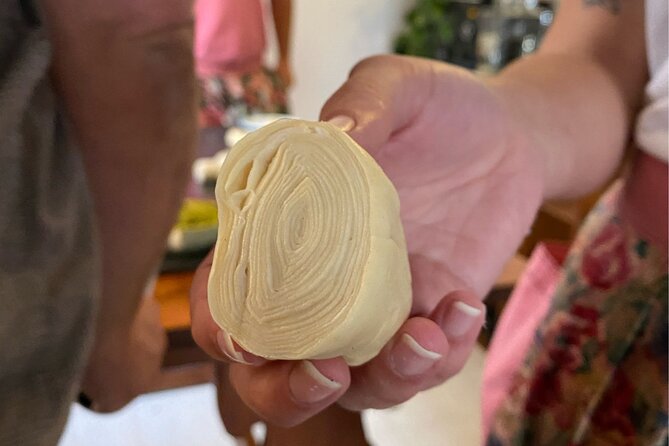
- Make dough by hand: You learn the traditional preparation methods and try shaping the pastry yourself.
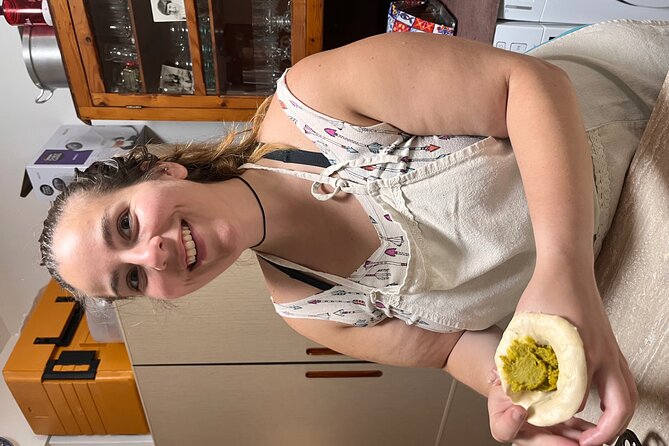
- Prepare two classic fillings: The lesson covers ricotta and curried pea, the two staple pastizzi fillings.
- Eat your work fresh from the oven: The session ends with the pastizzi you have prepared and baked.
- Small maximum group: With up to eight people, the class should allow useful guidance from Michela or Miki.
- Plan ahead: The experience is booked an average of 105 days in advance, so last-minute availability may be limited.
Why pastizzi are worth a cooking lesson
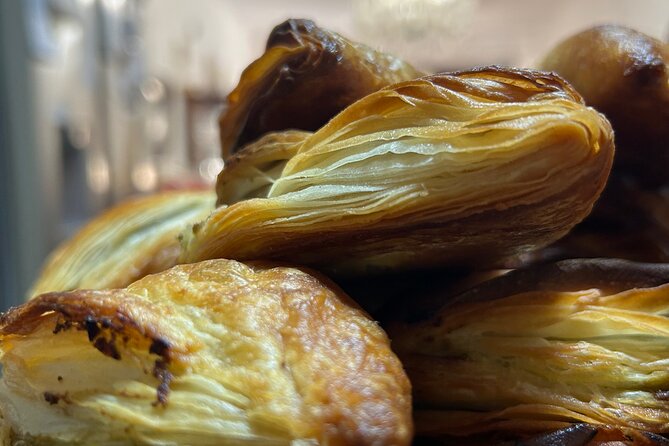
Pastizzi are among Malta’s best-known local snacks. They are small, savory pastries, traditionally filled with either ricotta or a curried pea mixture. You can find them cheaply in bakeries and snack shops, but buying one tells you little about the work behind its flaky layers.
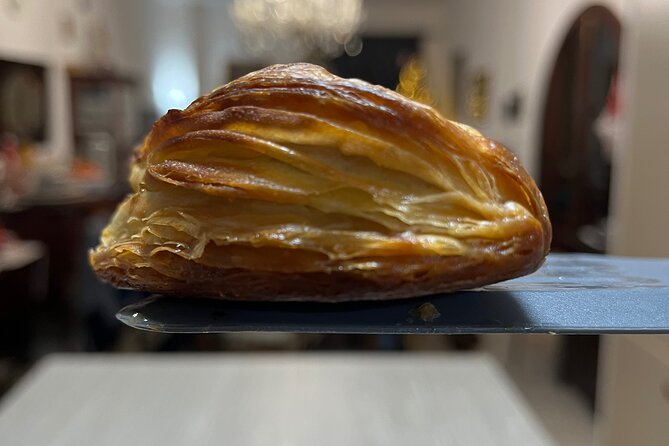
This experience focuses on that work. The host explains that pastizzi are still made by hand, then has you repeat the traditional techniques for preparing the dough. That matters because the pastry is not simply a shell filled and baked. The dough preparation is part of the craft, and the class gives you a better sense of why a good pastizz has its distinctive shape and texture.
I also like that the session includes both main fillings. Ricotta gives you the mild, creamy option, while curried pea offers a stronger, more seasoned bite. Trying both helps you understand the classic choice you will face when ordering pastizzi around Malta.
The food lesson also carries a family connection. You are invited into a home kitchen to use a family recipe, with the stated aim of keeping Maltese traditions alive. That does not turn the class into a formal history lecture. Instead, the food itself becomes the way you learn about Malta.
Other Malta trips people pair with this one:
- Malta: Gozo & Comino Islands, Blue Lagoon & Seacaves Tour
★ 4.5 · 15,672 reviews - Comino: Blue Lagoon, Crystal Lagoon, and Seacaves Tour
★ 4.6 · 5,673 reviews - Malta: Blue Lagoon, Beaches & Bays Trip by Catamaran
★ 4.7 · 5,496 reviews
Arriving at the Sliema home kitchen
The meeting point is 39 Triq Tal-Katidral in Tas-Sliema, Malta. The activity begins and ends there, so you do not need to arrange transport between separate cooking and dining locations.
The meeting point is near public transportation, which is useful if you are staying elsewhere in Malta. You will receive a mobile ticket, and confirmation is sent within 48 hours of booking, subject to availability. Because this is a small home-based class rather than a large commercial kitchen, it is sensible to check that your booking is confirmed before you build the rest of your day around it.
The Sliema setting is part of the appeal. You are not watching a chef work behind a restaurant counter while standing at a distance. You are entering a working home kitchen and taking part in the preparation. That makes the atmosphere more personal, though it may also feel less polished or spacious than a purpose-built cooking school.
This is a good experience for you if you enjoy meeting a local host and learning in an informal setting. If you prefer a large professional venue, a fixed demonstration, and a highly structured class, the home setting may feel more relaxed than expected.
Preparing the dough by hand
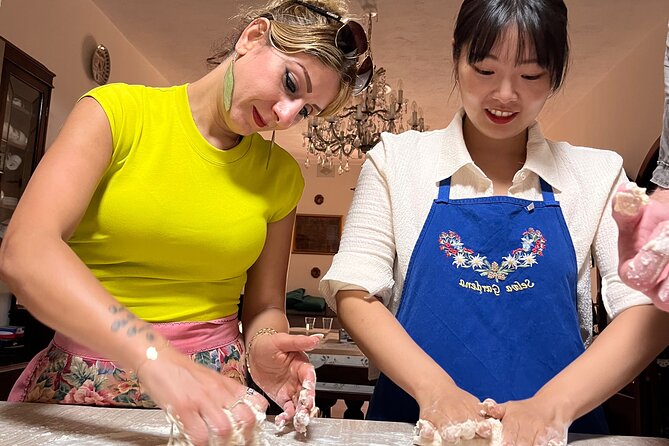
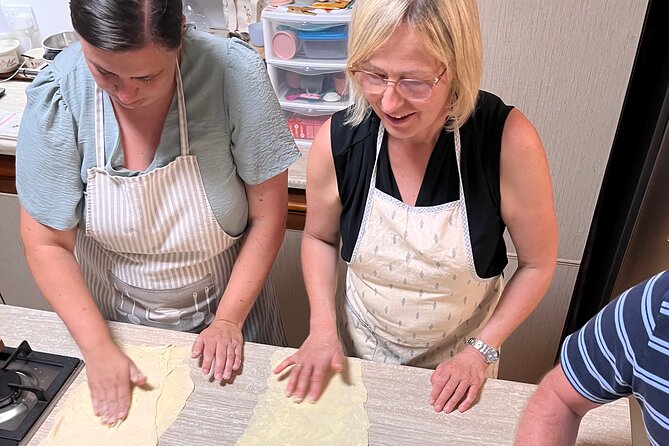
Once the aprons are on, the class moves into the practical part: preparing your own dough. The stated focus is on the secrets behind the perfect pastizz and on the traditional techniques used to make it.
You should expect to work with the dough rather than simply watch. That is one of the clearest reasons to choose this class over a standard food tour. You get to handle the basic material that gives the pastry its character, and you can ask for help as you go.
The host’s patience is important here. Pastizzi making is presented as an art, and beginners are not expected to get every step right immediately. Michela is praised for making the process easy and fun while helping people along. That personal guidance is especially valuable in a group of no more than eight.
The class also includes a playful challenge: trying to beat the world record for the fastest pastizzi maker. This is not a reason to book the experience on its own, but it adds a little energy to a process that could otherwise become technical. You can take the dough seriously without taking yourself too seriously.
I would not expect the class to turn you into a professional pastizz maker in two hours. The practical goal is more modest and more useful: learn the basic technique, understand the shape, and leave with enough confidence to try again at home.
Two fillings, two sides of Maltese snack culture
The class teaches the two staple fillings, ricotta and curried pea. This is a well-chosen pairing because the flavors are distinct and familiar to anyone who has sampled Malta’s classic pastries.
The ricotta filling gives you the gentler version. It is creamy and mild, making it a natural introduction if you are new to pastizzi. The curried pea filling brings more spice and savory character. Making both lets you compare not only the flavors but also how each filling works inside the pastry.
This is also where the food context becomes practical. After the class, you will know what to order when you visit a bakery or pastizzeria in Malta. You will not need to point at a tray and hope for the best. You can choose between the two traditional styles with some idea of what is inside.
The recipe is described as a family recipe, which gives the class a personal connection that a generic cooking demonstration may lack. You are not only learning that Malta has a famous snack. You are learning one household’s way of preparing it, while also working with the traditional fillings associated with the dish.
The available information does not specify the exact quantity of pastizzi you make, the full ingredient list, or whether dietary substitutions are possible. If you have allergies or food restrictions, ask the provider before booking. The class clearly involves dough, ricotta, and peas, but the details of other ingredients are not provided.
A completely different sort of day out from Malta:
- Malta: Gozo, Comino, Blue & Crystal Lagoon, & Caves Cruise
★ 4.6 · 5,092 reviews - From Malta: Full-Day Gozo UTV Tour with Lunch and Boat Ride
★ 4.6 · 4,408 reviews - From Sliema: Comino, Crystal Lagoon, and Blue Lagoon Cruise
★ 4.5 · 3,792 reviews - From Sliema: Gozo, Comino and Blue Lagoon Cruise
★ 4.5 · 3,461 reviews
Freshly baked pastizzi at the finish
The final stage is simple and satisfying: you eat the freshly baked pastizzi. This gives the class a clear payoff. You have handled the dough, prepared the fillings, shaped the pastries, and then tasted the finished result.
Freshly baked pastry also makes the lesson easier to remember. You can compare the result with pastizzi you buy elsewhere and see how the dough, filling, and shape work together. The activity is not just a demonstration followed by a small sample. The stated plan is to end by munching on the pastizzi you have made.
This is a useful point when judging the price. At $52.09 per person, you are paying for instruction, a small group setting, access to a family recipe, food, and the personal attention of the host. You are not paying $52.09 for the retail value of a few pastries. If your goal is the cheapest possible taste of pastizzi, a bakery is the better choice. If you want an activity that combines food, conversation, and a skill you can repeat, the price is more reasonable.
The class lasts about two hours, which is long enough for a proper practical session without taking over your whole day. You can fit it around sightseeing in Sliema or elsewhere in Malta, though you should allow enough time to reach the meeting point and avoid scheduling another fixed activity immediately afterward.
The host makes the difference
Michela is described as gracious, patient, and welcoming. Those qualities matter in a hands-on cooking class because dough work can become frustrating when you are unsure of the technique or when your first attempt looks less than perfect.
The strongest praise centers on the host’s ability to make the process easy and fun. That is a good sign for beginners, families, and people who may not cook often. You should expect encouragement rather than a competitive professional kitchen atmosphere, with the possible exception of the lighthearted fastest-maker challenge.
The personal names attached to the experience are worth noting. Michela is the host’s full name, while Miki is also used. If you need to ask for the class at the meeting point, having both names may help avoid confusion.
The host’s interest in Maltese food culture is another reason this experience offers more than a recipe. You are given a connection to local tradition through a person and a family kitchen. That can feel more direct than hearing a guide recite facts during a general sightseeing tour.
Still, the informal approach cuts both ways. The experience may vary slightly with the group’s pace, since some people will work quickly and others will need more help. That is normal for a small cooking class, but it means you should not expect every minute to follow a rigid schedule.
Who will enjoy this pastizzi class most
I would recommend this experience most strongly to:
- Food lovers who want to understand a famous Maltese snack
- Families who already enjoy pastizzi and want to recreate them at home
- First-time visitors looking for a local activity beyond sightseeing
- Couples and small groups who prefer a personal host
- Beginner cooks who value patience and guidance
- Anyone who wants a two-hour activity with a finished dish to enjoy
The class also suits people who like taking recipes home and repeating them. One of the most useful outcomes is the chance to leave with enough understanding to try making pastizzi after returning home.
Families may find the fastest-maker challenge entertaining, though the available details do not specify a minimum age or special arrangements for children. Ask the provider if you are booking for young children.
You may want to skip it if you dislike group cooking, have strict dietary needs that have not been confirmed, or only want a quick snack at the lowest possible price. A bakery visit will cost less and take less time.
Booking early and planning your day
The experience is booked an average of 105 days in advance. That figure suggests you should reserve early, especially if you are visiting Malta on fixed dates or want a particular time of day. Confirmation arrives within 48 hours, subject to availability, so do not treat the initial booking request as the final word until it is confirmed.
The maximum group size is eight people. That limit is small enough to preserve the home-kitchen feel and should give you a better chance to receive direct help than you would in a large class.
The activity has free cancellation if you cancel at least 24 hours before the local start time. Cancellations or changes made less than 24 hours before the start are not refunded or accepted. The minimum number of participants also matters. If the provider cancels because that minimum is not met, you will be offered another date or experience, or a full refund.
Should you book the Pastizzi Making Experience?
Book it if you want more than a taste. The best parts are the home-kitchen setting, the chance to prepare dough by hand, the two traditional fillings, and Michela’s patient approach. You finish with food you made yourself, which gives the class a satisfying purpose.
At $52.09, this is not a bargain snack stop. It is a small-group cultural cooking activity, and its value comes from the instruction and personal setting. If you have room in your Malta schedule for two hours and enjoy hands-on food experiences, I think it is a strong choice. If you only want to sample pastizzi, spend a few euros at a local bakery instead and save the class for another trip.
FAQ
Where does the Pastizzi Making Experience begin?
It begins at 39 Triq Tal-Katidral in Tas-Sliema, Malta.
Where does the activity end?
The activity ends back at the meeting point in Sliema.
How long does the experience last?
The experience lasts approximately two hours.
How much does the experience cost?
The listed price is $52.09 per person.
How many people can join the class?
The activity has a maximum of eight participants.
What types of pastizzi fillings are included?
The class covers the two staple fillings, ricotta and curried pea.
Is public transportation available near the meeting point?
Yes. The meeting point is near public transportation.
Can I cancel for a full refund?
Yes, if you cancel at least 24 hours before the experience start time. Cancellations or changes made less than 24 hours before the start are not refunded or accepted.
Just added around Malta
- Gozo Unveiled: Guided Hiking in Gozo – The West★ 5.0 · 3 reviews
- Half Day Tour in Marsaxlokk Village, Market, Blue Grotto & Qrendi★ 4.5 · 3 reviews
- Tour of Malta (Private Driver) Including Lunch Platter & Wine in the countryside★ 4.5 · 3 reviews
- Valletta City of Gentlemen guided walking tour★ 3.5 · 3 reviews
- Sunday: Ghajn Tuffieha (Riviera) Beach Yoga Class★ 5.0 · 3 reviews
- Malta: Around Comino Cruise With Blue Lagoon stop★ 5.0 · 3 reviews
- Half Day Private Tour around the Island in Malta★ 4.7 · 3 reviews
- From Sliema: Comino & Blue Lagoon Trip – Including Boat Ride★ 4.0 · 3 reviews