
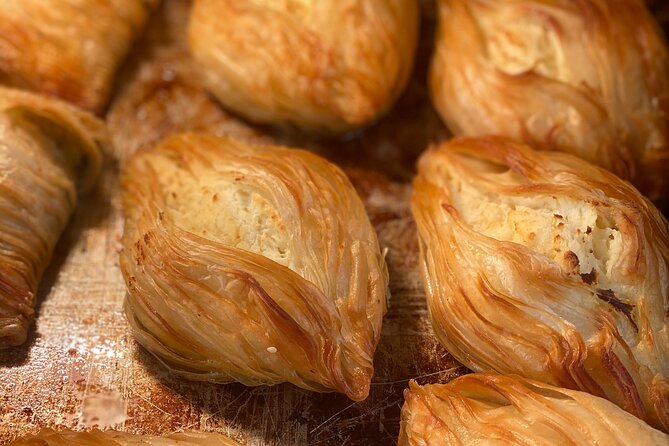
Reviewed · FOOD & DRINK
Valletta Food Tour – Eat like a local
Food can explain Malta better than stone. This Valletta food tour pairs local snacks with the city’s complicated past, showing how Maltese cuisine reflects centuries of outside influence. I like the history-led storytelling and the generous amount of food, but the 10:00 am start may feel too close to breakfast.
I also like the small-group format, capped at 16 people, and the chance to finish at Is-Suq Tal-Belt, Valletta’s food market. The main caution is dietary choice: the tour is not suitable for most restrictions, aside from a vegetarian option.
In This Review
- Key points to know before booking
- What this Valletta food tour is really about
- Starting at the New Parliament Building
- Walking through Valletta with food in hand
- The tasting stops and why they matter
- Valletta’s less polished past
- The final sit-down stop at Is-Suq Tal-Belt
- Is the food enough for a meal?
- Who will enjoy this tour most?
- Practical value at $52.33
- Should you book the Valletta Food Tour?
- FAQ
- How long does the Valletta Food Tour last?
- What time does the tour begin?
- Where does the tour begin?
- Where does the tour end?
- Is hotel pickup included?
- How much does the tour cost?
- Is food included?
- Can children join the tour?
- Can people with dietary restrictions join?
Key points to know before booking
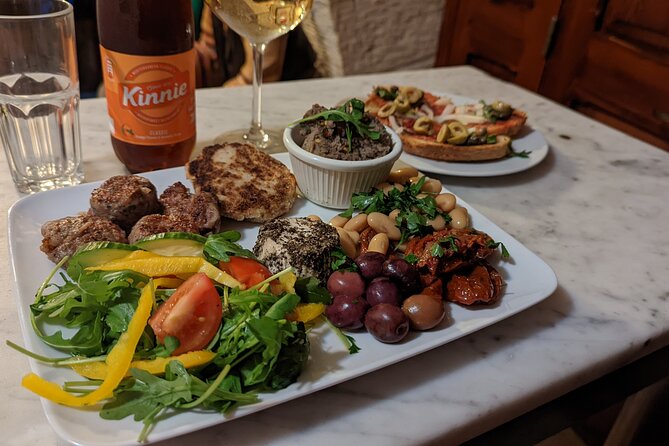
- Food replaces a meal: The included tastings are substantial enough to serve as lunch or dinner, so arrive hungry.
- Valletta is the classroom: Your guide links Maltese food with the city’s rulers, battles, religion, social life, and foreign influences.
- A 10:00 am start: Breakfast timing matters, since the food stops can add up quickly.
- Small, but not tiny: The group can reach 16 people, and a full group may feel crowded at some stops.
- Two strong guide names: Matthew and Julia receive especially warm praise for their storytelling, patience, and feel for Maltese culture.
- A flexible booking policy: You can cancel for a full refund up to 24 hours before the start time.
What this Valletta food tour is really about
This is not just a march from café to café. The food gives your guide a way to explain Malta, a small island shaped by its position in the Mediterranean and by the people who ruled, visited, fought over, and settled there.
The tour is built around tasting local snacks while walking through Valletta. At each food stop, you learn what you are eating and why it belongs in Maltese culture. That second part is the real value. Food becomes a shortcut into Malta’s past, instead of a list of dishes with no context.
The experience also promises an uncensored look at Valletta under the Knights of St. John. The description focuses on the period when the order’s early ideals of poverty, chastity, and obedience gave way to wealth, political games, gambling, dueling, mistresses, and other less polished behavior.
That tone will suit you if you enjoy history with its rough edges still showing. If you prefer a gentle, purely culinary walk, some of the stories may feel more dramatic than necessary. Still, the mix of food, humor, and difficult subjects gives the tour a clear personality.
More food and drink outings:
- Valletta: Street Food and Culture Walking Tour
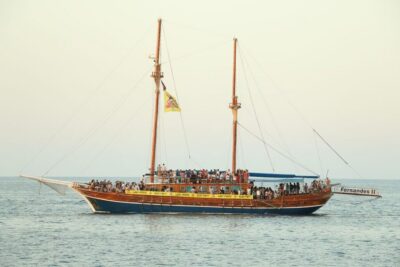
★ 4.8 · 1,251 reviews - Malta: Lazy Pirate Boat Party with Drinks & Food
★ 3.8 · 788 reviews - Valletta Food Tour
★ 5.0 · 711 reviews
Starting at the New Parliament Building
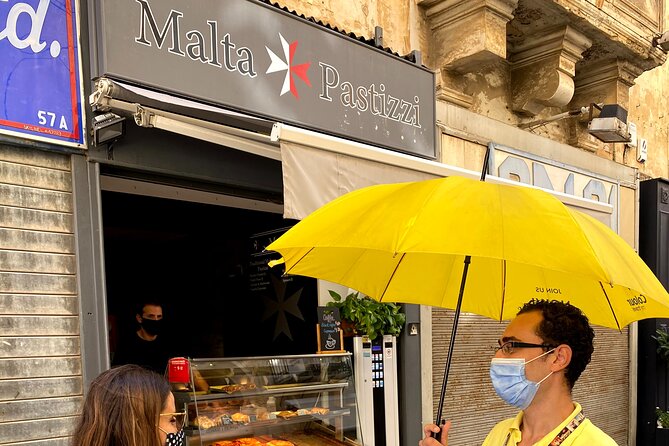
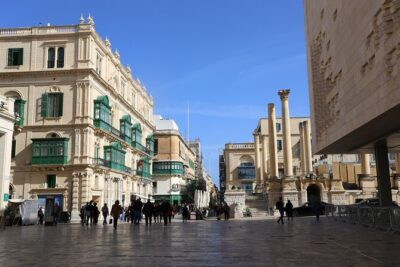
You meet your guide at the New Parliament Building on Republic Street at 10:00 am. This is a useful starting point because Republic Street runs through the heart of Valletta, making it easy to connect the opening discussion with the city around you.
Do not expect hotel pickup. You need to make your own way to the meeting point, though the location is near public transportation. A mobile ticket is provided, and booking confirmation arrives at the time of booking.
The opening moments matter on a food walk. Your guide sets the pace, explains how the tastings will work, and begins connecting Valletta’s streets with Maltese life. A full group can include up to 16 people, though the tour is described as a small-group experience with places limited to 15. Either way, this is much more intimate than a large coach outing, but it is not a private walk.
I would arrive a little early. That gives you time to find the New Parliament Building without rushing and to meet the group before the first explanation begins.
Walking through Valletta with food in hand
The tour lasts about three hours and five minutes. That is long enough for a proper introduction to Valletta, but short enough to fit neatly into a morning or early afternoon.
You walk between food stops rather than riding from one venue to another. This is important because Valletta is best understood at street level. The movement between tastings lets you see the capital’s fortified character, old lanes, grand buildings, and changing city life while your guide explains what connects them to food.
The route is not presented as a simple restaurant crawl. Instead, each tasting helps explain the layers that formed Maltese cuisine. Malta’s location brought different cultural influences to the island, and the tour uses those influences to explain why local food is not easily reduced to one single tradition.
I like this approach because it gives you something useful beyond the tour itself. You learn what certain foods mean, how they fit into Maltese culture, and what you may want to order later during your stay. Several people specifically valued the tour as an introduction to what to ask for when dining out.
The walking format does require sensible shoes and a willingness to stay with the group. The provided information does not promise long sitting periods throughout the route. There is a sit-down food experience near the end, but much of the tour is spent moving through the capital.
The tasting stops and why they matter
The exact food venues and individual dishes are not specified, so I would not book this expecting a fixed menu of named specialties. What you can count on is a selection of local snacks and Maltese treats, with enough food to replace a normal lunch or dinner.
That makes the price easier to judge. At $52.33 per person, you are paying for more than bites. The fee includes the guide, the food tastings, the walking tour, and the explanation behind each sample. If you used the tour only to collect small samples, the value would depend on how much you eat. Since the food is described as substantial, the price becomes more reasonable.
The tastings also serve a practical purpose. A dish can look unfamiliar in a restaurant, and a short explanation from a local guide can make it easier to order with confidence later. You get a chance to try food in a social setting, ask questions, and hear how it connects with everyday Maltese culture.
The strongest part of the food program seems to be the link between taste and place. You are not simply told that something is traditional. You learn how food reflects Malta’s long contact with different peoples and the way Valletta developed under the Knights.
You may want to skip breakfast or keep it very light. The 10:00 am start is the clearest weakness in the schedule. One person found the tour too close to breakfast, while another specifically warned that there was more food than expected. Take that advice seriously. A full breakfast could leave you too stuffed to enjoy the later tastings.
More food outings:
- The Valletta Street Food and Culture Walking Tour
★ 5.0 · 711 reviews - Valletta: Maltese Food and Drink Guided Walking Tour
★ 4.7 · 601 reviews - Valletta: Food Walking Tour with Tastings
★ 4.9 · 220 reviews - Sliema: Sailboat Party with an Open Bar, Food, and Swimming
★ 3.7 · 155 reviews
Valletta’s less polished past
The tour’s historical angle is unusually frank. Rather than presenting the Knights of St. John as solemn guardians in shining armor, the guide discusses what happened when the order’s religious and military purpose began to weaken.
The tour description points to the decline of the Knights’ finances, military strength, and morals. It also describes grand palaces and Baroque buildings as signs that the vow of poverty had been replaced by luxury. Chastity gave way to mistresses and courtesans, while obedience became a tool in struggles over power.
There is also mention of gambling, dueling, and prostitution. This is not a history lecture designed to make every character look noble. You get a more human and sometimes unflattering picture of the men who lived in Valletta after the great crusading period had faded.
That material adds flavor to the walk, but it is not the only topic. The guide also discusses food origins, Maltese traditions, the fortified character of Valletta, and the connection between what people eat and how they live.
Matthew receives repeated praise for explaining Malta’s place, people, history, and food with warmth and enthusiasm. His style appears to combine information with conversation, and he takes time to answer questions. Julia is also singled out for bringing Valletta’s past and its connection with food to life.
Guide quality matters greatly on a tour like this. The venues alone would not justify the experience if the explanations were thin. Here, the guide is a central part of the value, especially for you if you want more than a checklist of snacks.
The final sit-down stop at Is-Suq Tal-Belt
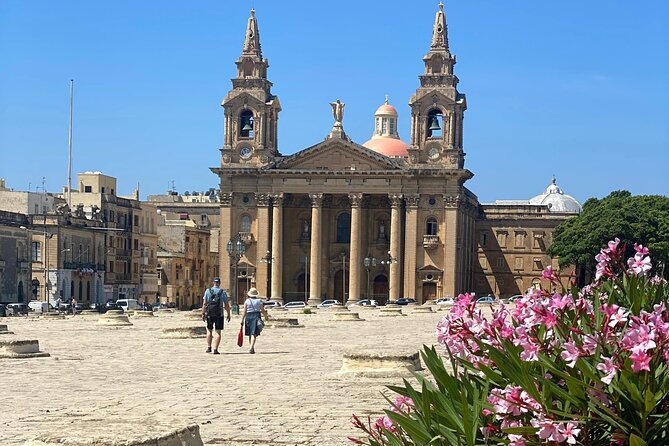
The tour ends at Is-Suq Tal-Belt, Valletta Food Market, on Triq il-Merkanti. This gives the experience a clear finish rather than leaving you somewhere in the middle of the city.
The final food stop includes time to sit down and eat. It also gives you a chance to ask the guide more questions about Malta, its traditions, and its history. That closing conversation can be especially useful if you are taking the tour early in your visit and want advice for the rest of your stay.
Ending at a food market makes practical sense. You finish in a place connected to eating, and you can continue exploring Valletta afterward rather than returning to a hotel pickup point. The market location also gives you a useful reference point for later meals.
One small drawback is crowding. When the group reaches its full size, some stops can feel tight. A group of 15 or 16 is still manageable, but it is not the same as walking with four or six people. If personal space and quiet conversation are important to you, keep that in mind.
Is the food enough for a meal?
Yes, the included snacks are described as enough to replace lunch or dinner. The wording suggests a series of tastings rather than one large plated meal, so you should expect variety and gradual eating rather than a traditional restaurant service from start to finish.
The food is also more than decoration for the tour. You are introduced to local treats you might not choose on your own, then given background on their place in Maltese culture. That is useful if you want to eat with more confidence during the rest of your trip.
I would not schedule a heavy meal immediately afterward. The food portion has surprised people in a good way, and the tour runs for just over three hours. If you start with a modest breakfast, the timing should work better.
Diet is the main limitation. The experience is not suitable for people with dietary restrictions, apart from a vegetarian option. If you need gluten-free, dairy-free, allergy-safe, halal, or another specific arrangement, the supplied information gives no assurance that it can be accommodated.
Who will enjoy this tour most?
I would recommend it to first-time visitors who want a fast introduction to Valletta’s food and cultural background. It is particularly useful early in a trip, since you can use the food advice and city orientation later when choosing restaurants and exploring on your own.
It also suits history fans who prefer stories about real behavior rather than polished official versions. The candid treatment of the Knights gives the tour a slightly mischievous edge, while the food keeps the subject grounded in daily life.
Couples, friends, and solo visitors who enjoy meeting a small group should find the format comfortable. The age minimum is 16, so this is not designed as a family activity for younger children.
You should think twice if you dislike walking, need strict control over ingredients, or want a quiet private guide. You should also avoid arriving full. The tour’s biggest pleasure is trying food as it comes, not forcing yourself through every sample after a large breakfast.
Practical value at $52.33
At $52.33 per person, the tour sits in the range where the guide makes or breaks the deal. The food alone is only part of what you are buying. You are also paying for a three-hour orientation to Valletta, local context, and a meal-sized amount of tastings.
I see good value here if you would otherwise spend money on lunch and a separate city walk. The tour combines both, then adds access to a local guide who can explain the connection between Maltese food and the capital’s past.
The value is less clear if you are mainly looking for a cheap meal. This is a shared walking experience, not a restaurant discount. You need to care about the stories, the questions, and the connection between food and place.
The 4.8 rating from 137 reviews and 96 percent recommendation rate support the idea that the tour delivers its main promise. The most praised elements are consistent: the food is generous, the guide explains Malta well, and the history adds substance to the walk.
Free cancellation is available if you cancel at least 24 hours before the start time. Changes or cancellations inside that window are not accepted for a refund. The tour also needs a minimum number of participants, and if it cannot operate for that reason, you are offered another date or experience, or a full refund.
Should you book the Valletta Food Tour?
I would book this tour if you want a meal-sized tasting experience with serious historical context. Matthew and Julia appear to bring the warmth and storytelling skill needed to make the walk more than a sequence of food samples.
Book it near the beginning of your Malta visit if you want help understanding what to order later and a quick orientation to Valletta. Keep breakfast small, wear comfortable shoes, and accept that a full group may feel crowded at a few stops.
Skip it if you need extensive dietary flexibility, dislike frank stories about the Knights’ private lives, or want a private food crawl. For everyone else, the combination of Maltese snacks, city walking, and candid history makes this a strong use of three hours in Valletta.
FAQ
How long does the Valletta Food Tour last?
The tour lasts approximately 3 hours and 5 minutes.
What time does the tour begin?
The scheduled start time is 10:00 am.
Where does the tour begin?
It begins at the New Parliament Building on Republic Street in Valletta, Malta.
Where does the tour end?
It ends at Is-Suq Tal-Belt, Valletta Food Market, on Triq il-Merkanti in Valletta.
Is hotel pickup included?
No. Hotel pickup and drop-off are not included.
How much does the tour cost?
The listed price is $52.33 per person.
Is food included?
Yes. Local snacks and food tastings are included, and the amount is described as enough to replace lunch or dinner.
Can children join the tour?
Participants must be at least 16 years old.
Can people with dietary restrictions join?
The tour is not suitable for travelers with dietary restrictions, except for a vegetarian option.
Just added around Malta
- Gozo Unveiled: Guided Hiking in Gozo – The West★ 5.0 · 3 reviews
- Valletta City of Gentlemen guided walking tour★ 3.5 · 3 reviews
- Half Day Tour in Marsaxlokk Village, Market, Blue Grotto & Qrendi★ 4.5 · 3 reviews
- Tour of Malta (Private Driver) Including Lunch Platter & Wine in the countryside★ 4.5 · 3 reviews
- Malta: Around Comino Cruise With Blue Lagoon stop★ 5.0 · 3 reviews
- Sunday: Ghajn Tuffieha (Riviera) Beach Yoga Class★ 5.0 · 3 reviews
- Pastizzi Making Experience in Malta★ 5.0 · 3 reviews
- Half Day Private Tour around the Island in Malta★ 4.7 · 3 reviews
Food & Drink, compared.
The Valletta Street Food and Culture Walking Tour
Read our review →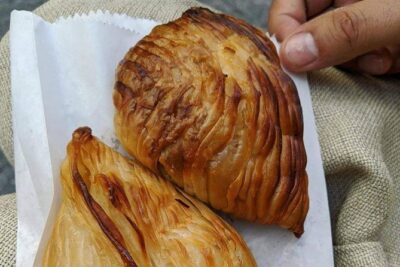

Romantic Wine Tasting Experience at Koccio Valletta
Read our review →
Browse the lists this tour appears in