
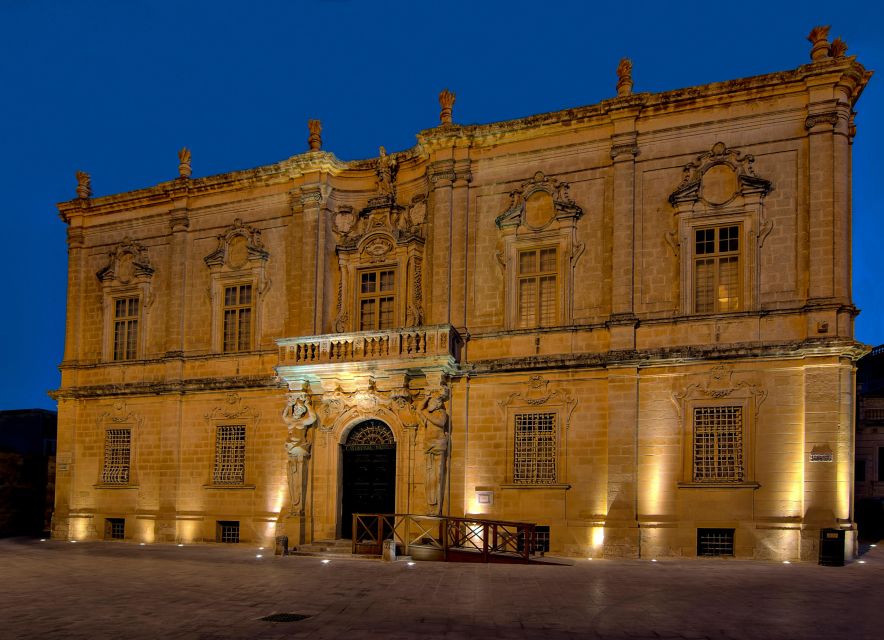
Reviewed · MUSEUMS
Mdina: St. Paul’s Cathedral and Mdina Museum Entrance Ticket
Mdina rewards slow looking. This one-day ticket gives you entry to St. Paul’s Cathedral and the adjacent Mdina Cathedral Museum, a useful pairing in Malta’s old capital. I especially like the cathedral’s colorful inlaid marble floor and the museum’s important collection of Albrecht Dürer prints and engravings. The $18 price also feels fair if you care about art, church interiors, and Maltese objects rather than only walking Mdina’s atmospheric streets.
The main thing to know is that you must first present your ticket at the museum reception desk, even if you want to see the cathedral first. There is no actual guided tour included, so you explore independently. That suits visitors who prefer their own pace, but anyone expecting a guide to explain every painting or story may find the visit a little quiet.
In This Review
- Key Details Before You Go
- Why This Pairing Works in Mdina
- St. Paul’s Cathedral and the Story of Publius
- What Makes the Cathedral Worth Your Time
- The Mdina Cathedral Museum’s Best Rooms and Objects
- A Practical Way to Visit Both Buildings
- Is $18 Good Value?
- Accessibility and Extra Support
- Who Will Enjoy This Experience Most?
- Should You Book St. Paul’s Cathedral and the Museum?
- FAQ
- What does the Mdina ticket include?
- How much does the experience cost?
- How long is the ticket valid?
- Where do I present the ticket?
- Can I visit the cathedral before the museum?
- Is a guide included?
- What can I see in St. Paul’s Cathedral?
- What is displayed in the Mdina Cathedral Museum?
- Is the experience wheelchair accessible?
Key Details Before You Go
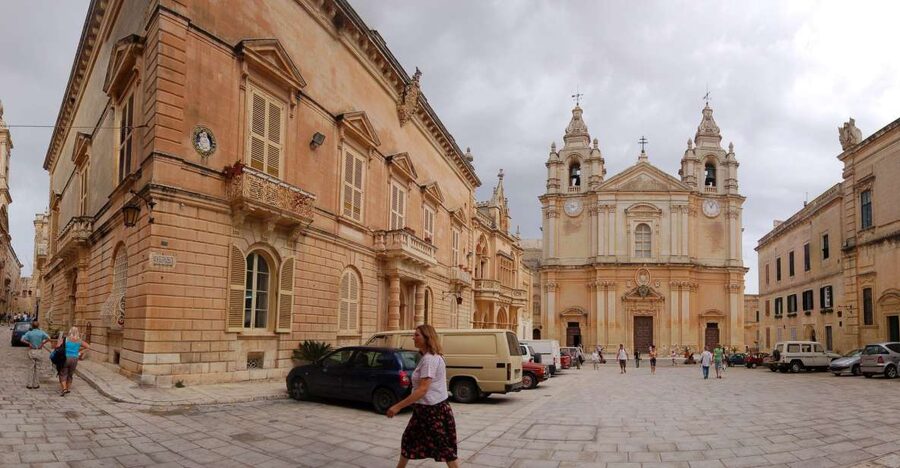
- Start at the museum reception: Your ticket must be presented there before entering the cathedral.
- See two sites on one day: The ticket covers St. Paul’s Cathedral and the Mdina Cathedral Museum.
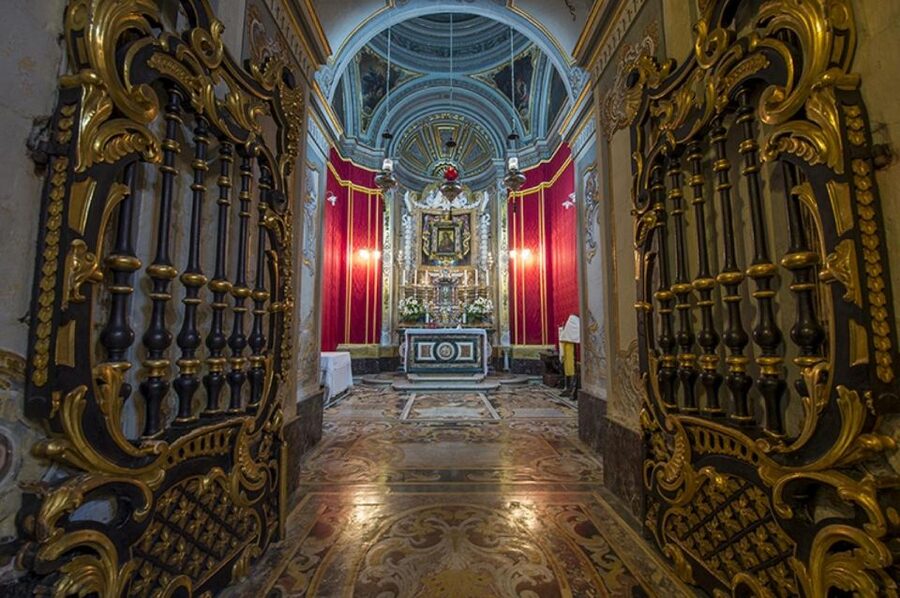
- Look down as well as up: The cathedral’s colorful inlaid marble floor is one of its main visual highlights.
- Allow time for the Dürer collection: The museum holds prints and engravings by Albrecht Dürer, a major Northern Renaissance artist.
- Dress respectfully: Shawls and wraps are provided for entry into the cathedral, which remains a place of worship.
- Visit in either order after check-in: Once your ticket is handled at the museum, you can see the two sites in whichever order works best.
Why This Pairing Works in Mdina
Mdina can be enjoyed simply by walking its old lanes, but the cathedral and museum give your visit more focus. Instead of seeing only stone streets and exterior walls, you get a close look at the city’s religious art, decorative craft, and links to European culture.
The two buildings are adjacent, so this is an easy stop to add to a day in Mdina. You do not need transport between them, and the one-day validity lets you fit the visit around the rest of your plans. The ticket is not a timed tour, and you can choose which building to enter first after presenting it at the museum.
That flexibility matters. You might want to start with the museum’s smaller objects and artworks, then enter the cathedral with those details in mind. Or you may prefer to see the grand interior first, then spend quieter time examining the collection next door.
The arrangement also makes this a good choice for independent sightseeing. You are not tied to a group, set commentary, or fixed route. The tradeoff is that the experience depends on your own attention. If you want a guide to explain the symbolism behind each altarpiece or painting, this ticket does not provide one.
More of Mdina and Rabat on foot:
- Malta: Mdina and Rabat Walking Tour with Catacombs
★ 4.8 · 1,126 reviews - Mdina and Rabat: Guided City Walking Tour
★ 4.8 · 549 reviews - Malta: Mdina and Rabat Tour with Local Guide
★ 5.0 · 408 reviews
St. Paul’s Cathedral and the Story of Publius
St. Paul’s Cathedral was built in 1702, and its religious story reaches back much further. According to the tradition connected with the cathedral, St. Paul was shipwrecked on Malta in 60 AD and appointed Publius as the island’s first bishop. Publius is said to have lived on the site when he was governor.
That link gives the cathedral more than a decorative role. You are looking at a later building connected to one of Malta’s central Christian stories. The date of the present cathedral also helps you read the interior correctly: this is an ornate Baroque church, not a spare early Christian structure.
The visit is mainly visual. Start by looking at the colorful inlaid marble floor. Marble work can easily become background decoration in a church packed with paintings and gilding, so take a moment to study the patterns underfoot. The floor gives the interior a strong sense of color before you even begin looking upward.
Then turn your attention to the frescoed ceiling. The contrast between the patterned marble below and painted scenes above creates much of the cathedral’s effect. You are moving through a space designed to keep your eyes traveling, from floor to ceiling and across the walls.
The cathedral also contains altarpieces, paintings, marble work, intricate woodwork, silver artifacts, statues, and stained glass windows. There is plenty to inspect, but you do not need to race through every item. I suggest choosing a few categories and comparing them: notice how the carved wood differs from the polished marble, or how the silver objects catch light in a different way from the painted works.
The stained glass windows add another layer to the interior. They may not command attention in the same way as the ceiling or floor, but they reward a slower look. The same goes for the statues and smaller decorative details. A quick glance gives you the overall splendor. A careful visit reveals the workmanship.
What Makes the Cathedral Worth Your Time
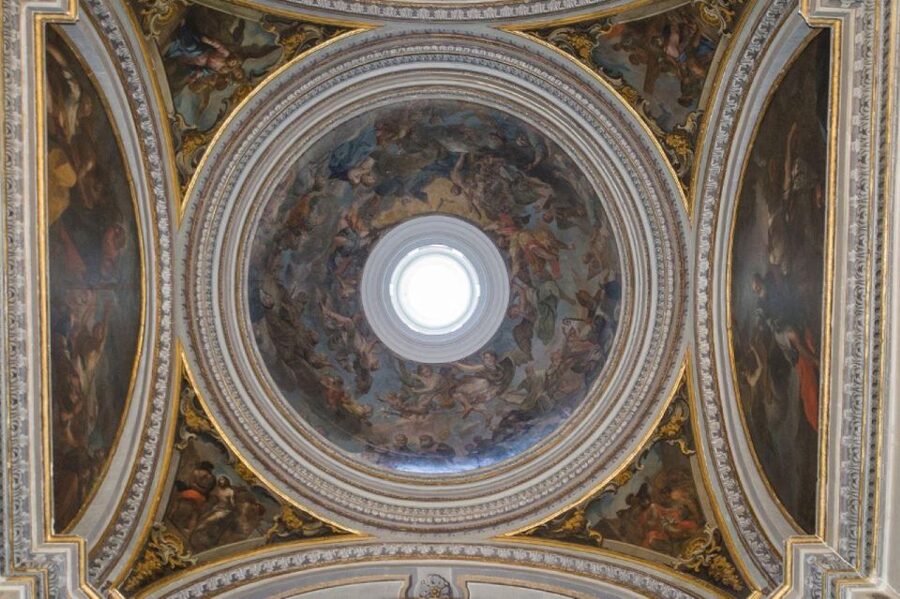
The cathedral’s appeal is not just that it is ornate. It brings together several kinds of craftsmanship in one compact visit. You can see stone, paint, wood, metal, glass, and sculpture working together rather than viewing a single artwork in isolation.
I like that the major attractions are easy to understand even if you are not an art specialist. The floor is immediately striking. The ceiling draws your eyes upward. The altarpieces and statues show how religious spaces use images and materials to create a strong emotional effect.
At the same time, the visual richness may feel like a lot. If you prefer plain interiors, you may find the cathedral busy. There are no indications that a live guide is included, so you will need to make your own sense of the scenes and objects. That is not a flaw for an independent visitor, but it is worth knowing before you pay.
Because this is an active place of worship, respectful clothing is required. Shawls and wraps are provided for cathedral entry, which is helpful if your clothing is not suitable. The practical arrangement means you do not need to bring an extra covering with you.
The Mdina Cathedral Museum’s Best Rooms and Objects

The museum gives you a different experience from the cathedral. Instead of one grand interior, you can examine a collection of smaller objects and artworks at closer range. The displays include fine silverware, rare coins, Maltese objects of art, wax reliefs, paintings, and other artifacts.
The museum’s most distinctive draw is its collection of prints and engravings by Albrecht Dürer. Dürer was one of the leading artists of the Northern Renaissance, and original works connected with him give the museum an importance beyond a local church collection.
Prints and engravings reward patience. They are not usually as immediately dramatic as a huge altarpiece, but their detail can be remarkable. Look closely at the lines, textures, and small changes in tone. If you rush past them, you may miss the reason this collection matters.
The rare coins offer another kind of historical evidence. They are small, easy to overlook, and useful for visitors who like objects with a practical connection to the past. Silverware shows the quality of religious and ceremonial craftsmanship, while Maltese objects of art help keep the collection tied to the island rather than making it feel like a display of imported European works alone.
The wax reliefs are especially worth seeking out because they provide a change in scale and material. After the cathedral’s large painted scenes and marble surfaces, delicate wax work asks you to look more closely.
The museum also includes a Trompe-l’oeil Baroque dome. The phrase means an illusion designed to make a painted surface look three-dimensional. This is a good place to slow down and consider how Baroque artists used painted architecture to change the feel of a room.
More museums and collections:
- Mdina: The Knights of Malta Museum Entry Ticket
★ 4.3 · 63 reviews - Palazzo Falson Historic House Museum entrance ticket
★ 4.7 · 22 reviews - Malta Classic Car Collection Museum Entry Ticket
★ 4.9 · 247 reviews - Skip the Line: Malta Classic Car Museum Admission Ticket
★ 5.0 · 174 reviews
A Practical Way to Visit Both Buildings
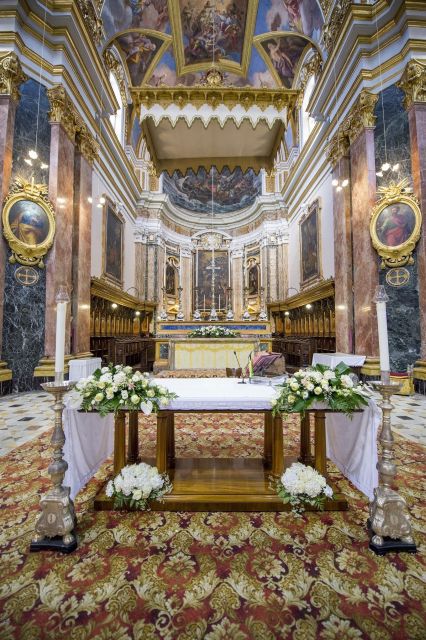
Present your ticket at the Mdina Cathedral Museum reception desk first. This is the most important logistical point, and it is easy to miss if you assume the cathedral entrance is the natural starting point.
After check-in, you can visit the cathedral and museum in either order. I would use the museum first if you want a calmer introduction to the collection. The Dürer prints, coins, silverware, and Maltese art give you a useful close-up experience before the cathedral’s larger visual impact.
If you prefer a strong opening, go to the cathedral first after sorting out your ticket. Begin with the marble floor, look up to the frescoed ceiling, and then work your way through the altarpieces, paintings, woodwork, silver objects, statues, and stained glass. Finish at the museum, where the smaller works can hold your attention at a slower pace.
The ticket is valid for one day, not just a narrow entry window. That makes it easier to fit around Mdina sightseeing, meals, and other stops. You can also split the two visits if your schedule benefits from a pause, although the supplied details do not specify how long you should plan to spend inside.
There is no transportation included because none is needed between the two sites. The experience is a self-guided entry visit, with English listed for the host or greeter. Do not book it expecting a walking tour, lecture, or personal art commentary.
Is $18 Good Value?
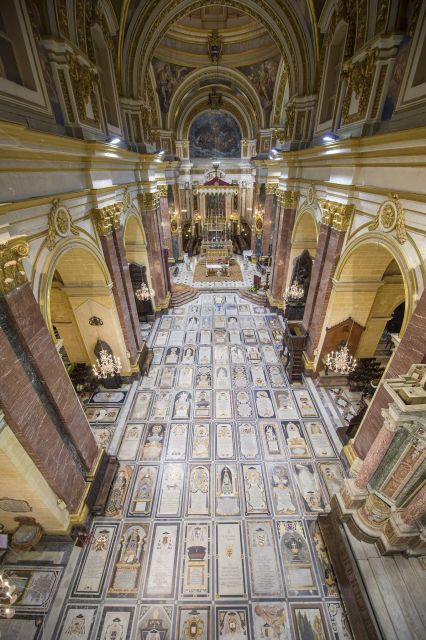
At $18 per person, the value depends on what you want from Mdina. If your plan is only to wander the streets and take photographs, adding a ticket may not be essential. If you enjoy historic interiors, church art, European prints, or museum collections, the two-site access makes the cost reasonable.
The strongest value comes from the contrast. You are not paying to see two nearly identical rooms. The cathedral gives you a large, highly decorated place of worship with marble, frescoes, paintings, woodwork, silver, statues, and stained glass. The museum offers smaller artworks and objects, including Dürer prints and engravings, rare coins, and Maltese decorative pieces.
That range makes the ticket more useful than a cathedral-only admission. The museum also gives you somewhere to spend time if you are the sort of person who likes to read visual details rather than simply step inside, take one photograph, and leave.
The lack of a guide affects the value in the other direction. Visitors who want context supplied at every stop may feel the ticket is basic. You are paying for access, not a narrated tour. Bring your own curiosity, and the visit offers more.
Accessibility and Extra Support
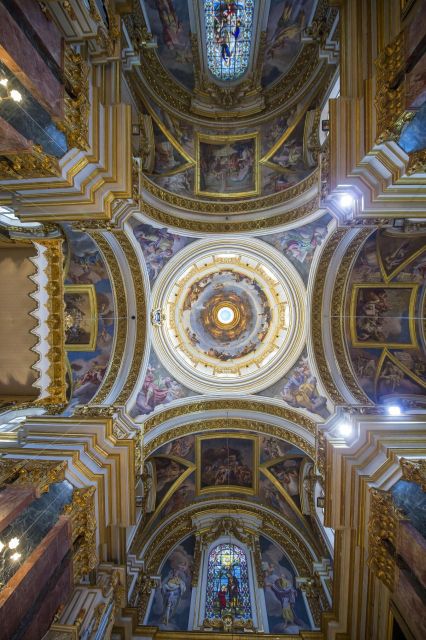
The experience is listed as wheelchair accessible, which is important for anyone planning a visit around mobility needs. The information does not describe specific routes, lifts, or surfaces, so you should confirm any detailed access questions before booking.
Noise-canceling headphones and other facilities are available for people with autism and similar special needs. That is a useful provision for a place of worship and museum where sound, crowds, or visual detail may feel intense.
The cathedral also provides shawls and wraps for visitors who need suitable covering. These practical touches reduce the need to prepare for every rule in advance.
Who Will Enjoy This Experience Most?
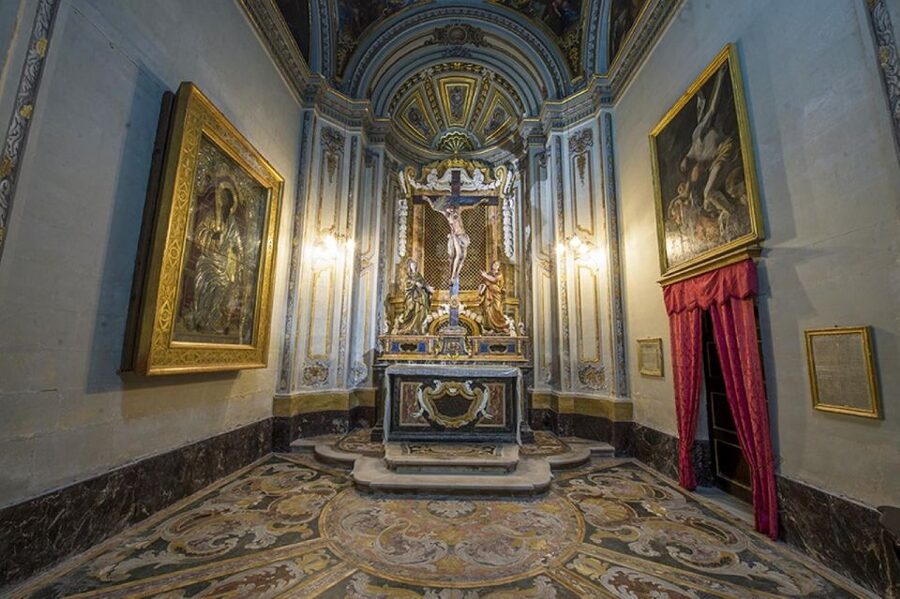
I would recommend this ticket to you if you like:
- Baroque church interiors and decorative arts
- Art collections with a strong European connection
- Smaller museum objects such as coins, silverware, and wax reliefs
- Independent sightseeing without a fixed group schedule
- Short cultural visits that fit around a larger Mdina day
It is also a sensible choice for couples, families with older children, and visitors who want more than an exterior look at Mdina’s religious buildings. The different materials and the Dürer collection can give children specific things to search for, though the visit is still primarily visual.
You may want to skip it if your main goal is a guided explanation, a social group activity, or a fast panoramic attraction. The ticket has no stated guide, and the value comes from looking carefully at the interiors and collection.
The overall rating is 4.5 from 89 reviews, and the most consistent praise is easy to understand: the museum is beautiful, and the cathedral interior is full of striking details. One practical complaint also points to the only real trap: the requirement to collect or validate the cathedral ticket at the museum first. Plan for that, and the process should be straightforward.
Should You Book St. Paul’s Cathedral and the Museum?
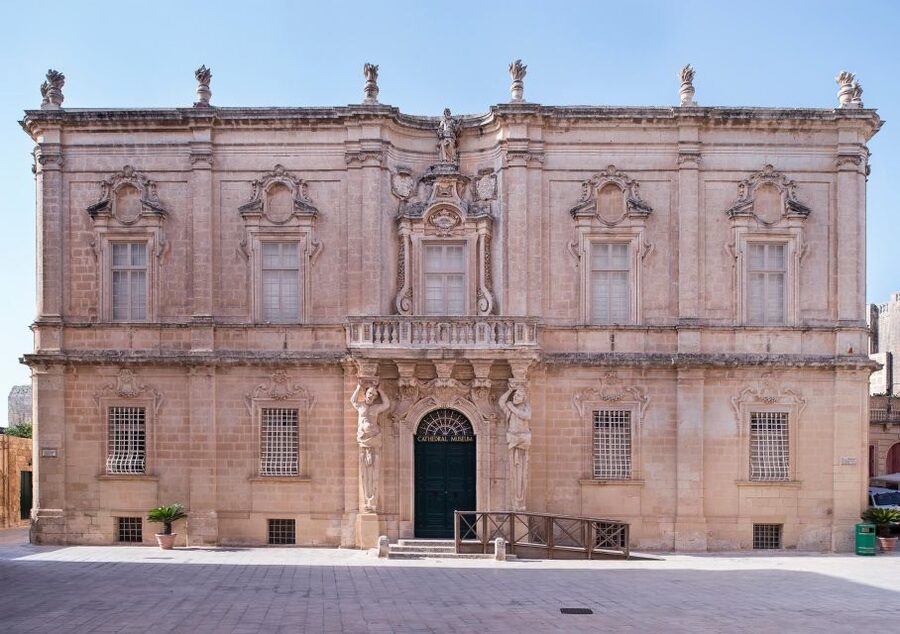
Book it if you want a focused art and architecture stop in Mdina for $18. The cathedral’s marble floor and frescoed ceiling provide the big visual payoff, while the museum adds genuine substance through Dürer prints, rare coins, silverware, Maltese art, wax reliefs, and the Trompe-l’oeil Baroque dome.
I would treat it as a self-guided cultural visit, not a tour. Go first to the museum reception, keep the one-day flexibility in mind, and give yourself enough time to look both up at the ceiling and down at the floor. If those details appeal to you, this ticket is a worthwhile addition to a day in Mdina.
FAQ
What does the Mdina ticket include?
It includes entrance to St. Paul’s Cathedral and the adjacent Mdina Cathedral Museum.
How much does the experience cost?
The listed price is $18 per person.
How long is the ticket valid?
The ticket is valid for one day.
Where do I present the ticket?
Present it at the Mdina Cathedral Museum reception desk.
Can I visit the cathedral before the museum?
You can visit the two sites in either order, but you must present your ticket at the museum first.
Is a guide included?
No actual guided tour is specified. An English-speaking host or greeter is listed, but the visit is primarily self-guided.
What can I see in St. Paul’s Cathedral?
You can see the colorful inlaid marble floor, frescoed ceiling, altarpieces, paintings, marble work, intricate woodwork, silver artifacts, statues, and stained glass windows.
What is displayed in the Mdina Cathedral Museum?
The museum contains fine silverware, rare coins, Albrecht Dürer prints and engravings, Maltese objects of art, wax reliefs, a Trompe-l’oeil Baroque dome, paintings, and other artifacts.
Is the experience wheelchair accessible?
Yes, it is listed as wheelchair accessible. Noise-canceling headphones and other facilities are also available for people with autism and similar special needs.
Just added around Mdina
- 30-Minute Mdina Experience Audio-Visual Show Ticket (Open Ticket)★ 4.5 · 4 reviews
- Mdina and Rabat Private Walking Tour with local pastizzi★ 5.0 · 6 reviews
- Mdina, Dingli cliffs and San Anton Gardens guided tour★ 3.5 · 14 reviews
- Proposal Photoshoot with Professional Photographer in Malta★ 5.0 · 15 reviews
- Guided Night Tour of Valletta Waterfront, Mdina and Rabat★ 4.5 · 22 reviews
- Mdina: The Mdina Experience Audio-Visual Show (Open Ticket)★ 4.3 · 22 reviews
- Palazzo Falson Historic House Museum entrance ticket★ 4.7 · 22 reviews
- Mdina and Rabat Private Walking Tour★ 5.0 · 25 reviews
Museums, compared.

Malta Classic Car Collection Museum Entry Ticket
Read our review →
Skip the Line: Malta Classic Car Museum Admission Ticket
Read our review →
Casa Rocca Piccola Palace and Museum Entrance Ticket
Read our review →
Casa Rocca Piccola palace & museum entrance ticket
Read our review →
Palazzo Falson Historic House Museum entrance ticket
Read our review →
Aviation Museum, Mosta Church, WWII Shelters inc. Platter
Read our review →Browse the lists this tour appears in