
Reviewed · PREHISTORIC TEMPLES
Prehistoric Temples of Malta Tour
The stones still feel impossibly old. This half-day trip takes you to Hagar Qim and Mnajdra, two of Malta’s most important prehistoric sites, then adds Ghar Dalam Cave and Museum for a useful look at the animals and people that came before the temples. I like the way the tour connects Malta’s archaeology with its coastal setting, and I like having transport, entrance fees, and a guide bundled into one $59 booking.
The main catch is time. At 4.5 hours, the tour packs several major sights into one morning, and the pickup route can take longer than expected. You should also be ready for walking, including a climb back from the temples, and you may wish for another 20 minutes at Hagar Qim and Mnajdra.
In This Review
- Key points to know before booking
- Why Malta’s prehistoric temples matter
- Ghar Dalam Cave and Museum: a small cave with a useful museum
- Hagar Qim: massive stones on Malta’s southern ridge
- Mnajdra: the tour’s finest architectural stop
- Hamrija Tower adds Malta’s Knights-era story
- The transport is convenient, but pickups take patience
- Guide quality is the biggest reason to book
- Is $59 good value for Malta?
- Who will enjoy this half-day tour?
- Should you book the Prehistoric Temples of Malta Tour?
- FAQ
- How long does the Prehistoric Temples of Malta Tour last?
- What sites are included?
- Are entrance fees included?
- Is hotel pickup and drop-off included?
- What languages are available?
- What should I bring?
- Is the tour suitable for people with limited mobility?
- Can I cancel the tour?
Key points to know before booking
- Hagar Qim uses Malta’s soft globigerina limestone: The temple sits on a southern ridge and shows how enormous stone blocks were shaped and fitted thousands of years ago.
- Mnajdra is the architectural highlight: It is widely regarded as the finest surviving example of Maltese megalithic building.
- Ghar Dalam adds the wider prehistoric story: The small cave is paired with a museum displaying bones and fossils from animals that lived on Malta long before recorded history.
- Hamrija Tower provides a later chapter: This 17th-century watchtower, built by Grand Master Martin de Redin, sits a few hundred meters from the temples.
- The guide makes the difference: Guides such as Mark, Mario, Marco, Marlon, and Miriam have been praised for clear explanations, archaeological knowledge, and lively storytelling.
- Pickup details arrive late: You receive the exact pickup point and time by email the day before, so check your inbox and allow extra time near your hotel.
Why Malta’s prehistoric temples matter
Malta’s megalithic temples date to about 3150 BC, roughly 5,500 years ago. They are recognized by UNESCO as the oldest free-standing stone structures in the world, which gives this outing more weight than a quick visit to a pile of old rocks.
The sites are valuable because they reveal a settled prehistoric society capable of quarrying, moving, shaping, and arranging huge limestone blocks. Much about the people who built them remains uncertain. A good guide does not pretend otherwise. Instead, the best explanations separate what archaeologists know from what they are still trying to understand.
That is where the tour earns its keep. You can visit both temple sites independently, but an expert guide gives you a way to read the stones. Mark has received repeated praise for making the evidence clear and encouraging people to think about how the sites were found and interpreted. Marco was also described as an archaeologist who explained temple culture well, while Marlon, a retired archaeologist and lecturer, brought obvious passion to the subject.
The tour is offered in English, German, Italian, and French. A multilingual guide may need to repeat each explanation in several languages, so the pace can feel slower than a single-language tour. Still, that arrangement is useful for mixed groups, and Mark has handled English, Italian, and French explanations in the same outing.
More prehistoric temple visits:
- From Malta: Gozo Day Trip Including Ggantija Temples
★ 4.2 · 2,399 reviews - From Malta: Gozo Full-Day Tour with Guide, Temples, & Train
★ 4.1 · 567 reviews - Malta: Prehistoric Temples, Limestone Heritage & Blue Grotto
★ 4.2 · 412 reviews
Ghar Dalam Cave and Museum: a small cave with a useful museum
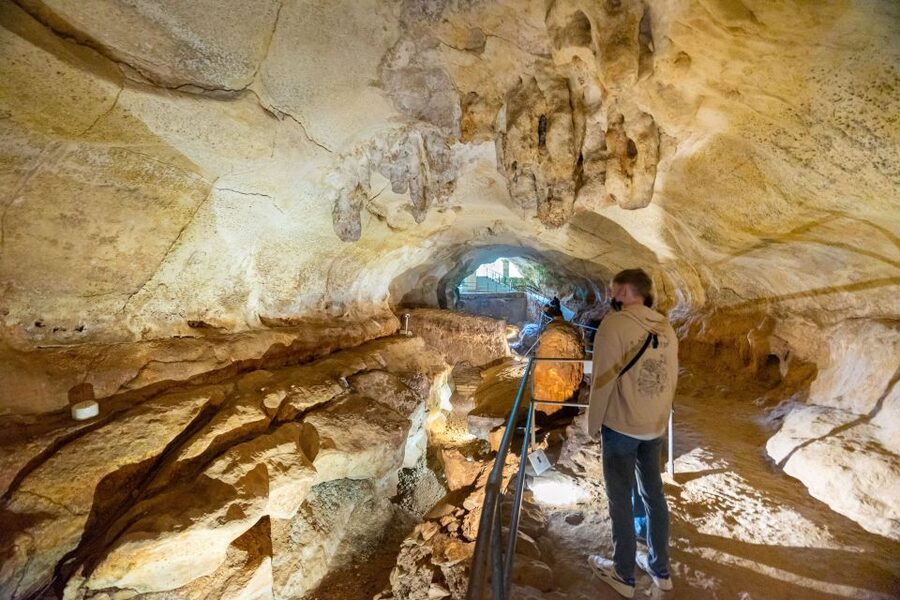
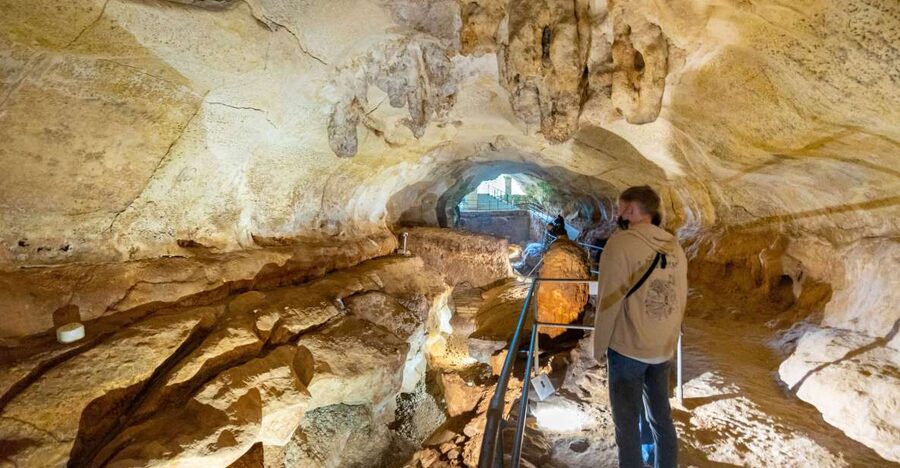
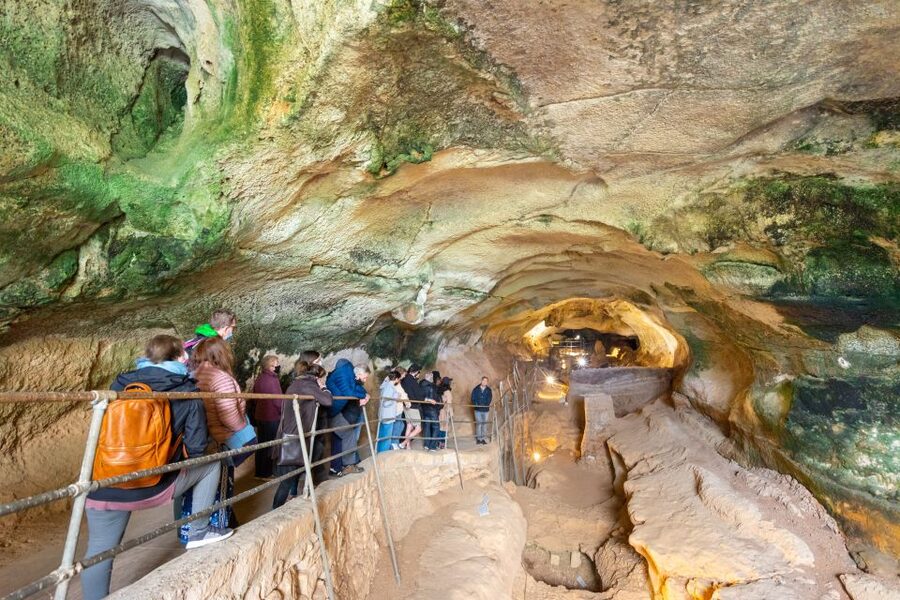
Ghar Dalam is the first stop on many versions of this route. The cave itself is not a grand cavern filled with dramatic stalactites, underground lakes, or wide passages. One visitor described it as small and not especially notable for rock formations.
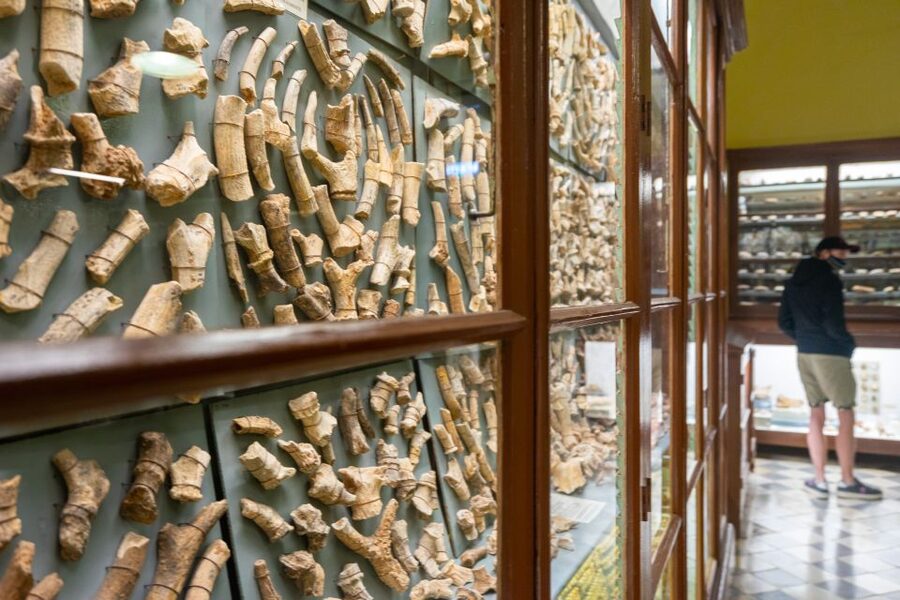
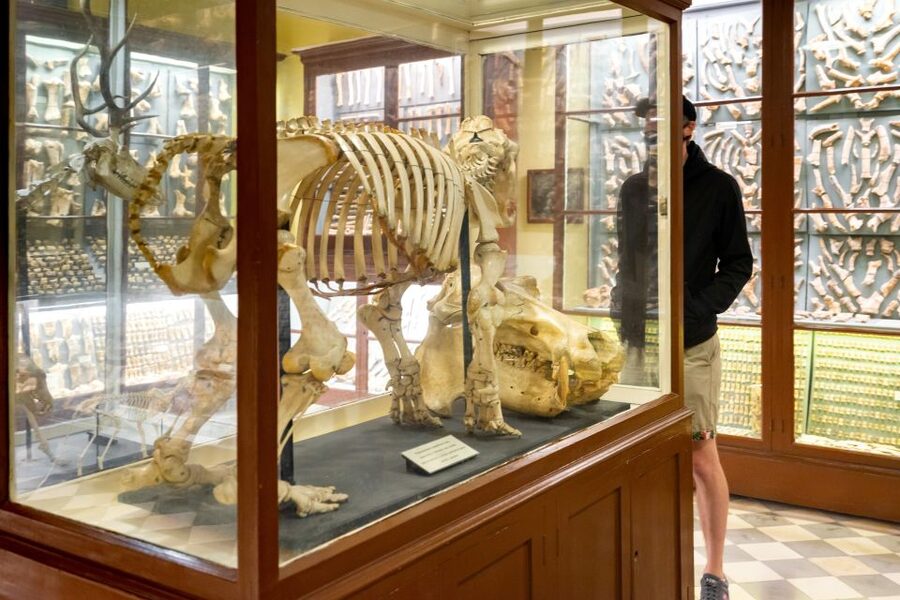
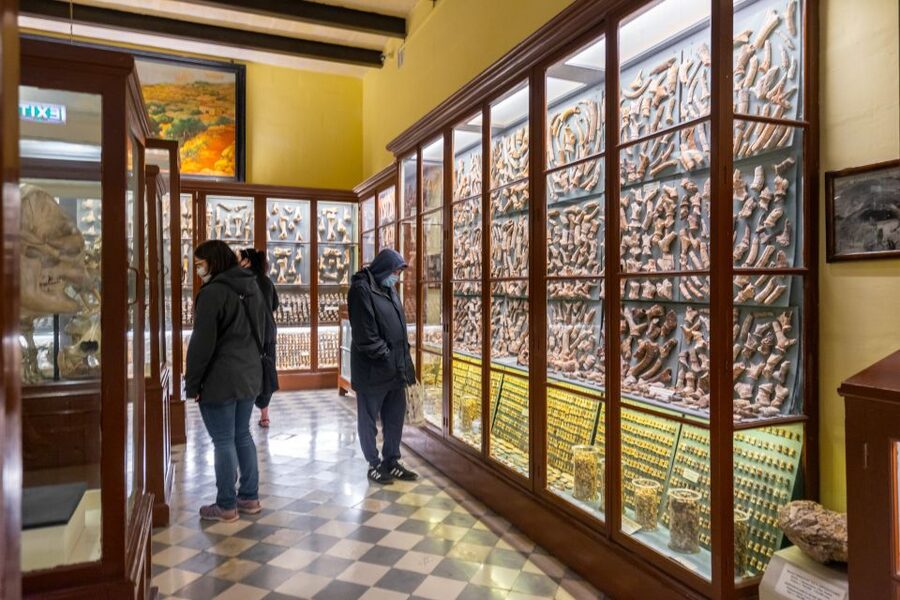
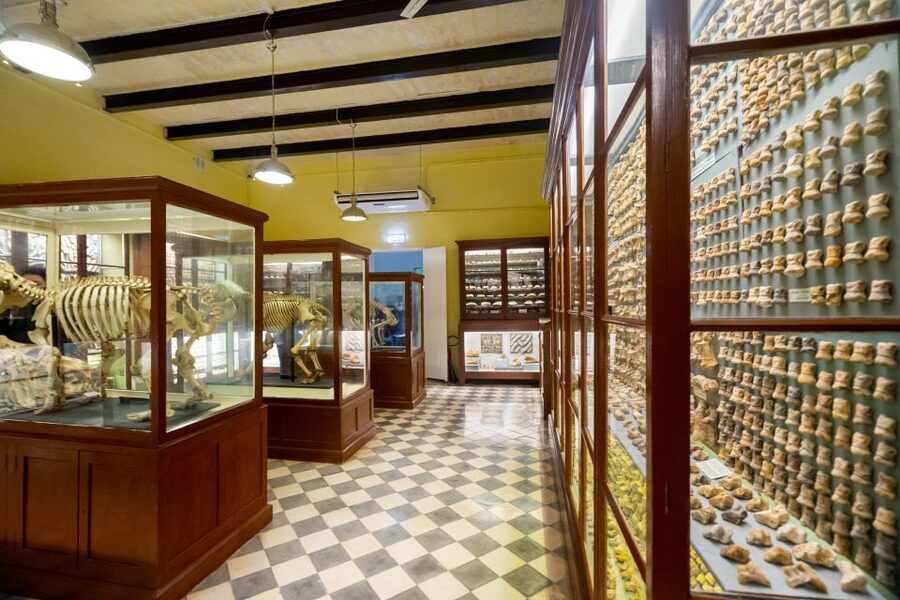
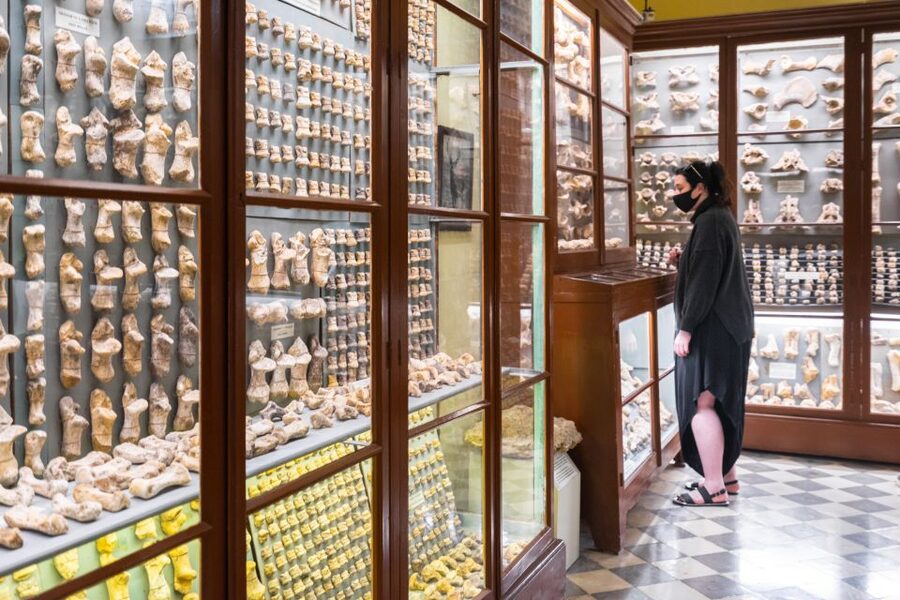
That is not a reason to skip it. The museum is the real point. Its collection includes bones, fossils, and remains from species that lived on Malta during prehistoric times. This gives you a better sense of the island before the temple builders arrived and helps place human activity within a much longer story.
You get only a short time here, so do not expect to study every display at leisure. The stop works best as an introduction. It prepares you to think about Malta as an island shaped by changing animal life, human settlement, and limited natural resources.
One especially memorable detail from a past outing was a chameleon spotted in the surrounding area. That is not a promised part of the tour, of course, but it shows that the stop can offer more than an indoor museum visit. Keep your attention on the displays, but look around as you walk between the cave and museum.
Some people wish they could go farther into the cave. The visit is more about the archaeological and fossil collection than an extended underground exploration, so set your expectations accordingly.
Hagar Qim: massive stones on Malta’s southern ridge
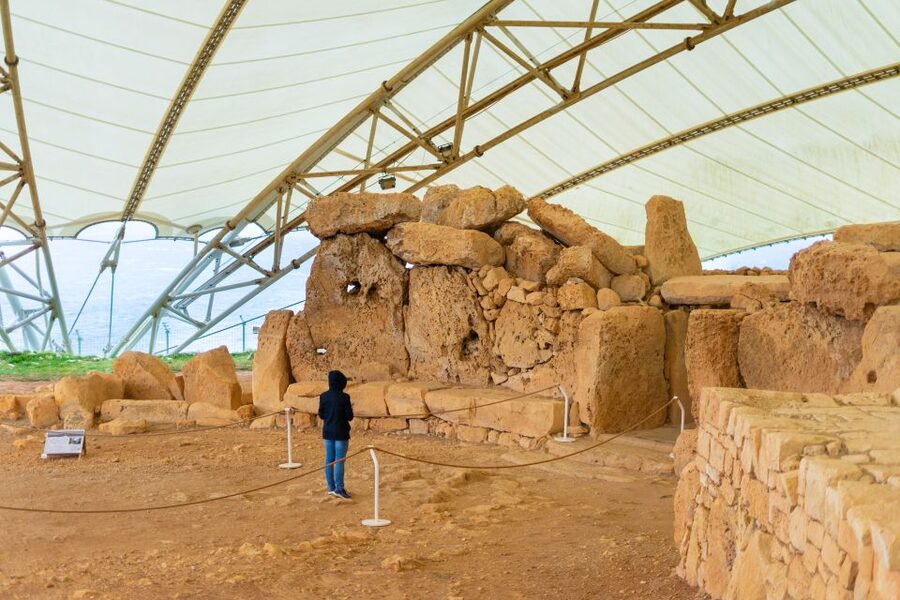
Hagar Qim is one of the tour’s strongest stops. The temple complex sits on a ridge at the southern edge of Malta, capped with soft globigerina limestone. That stone is pale, workable, and vulnerable to weathering, which makes the surviving blocks all the more impressive.
The site is fragile, so you should expect a protected archaeological setting rather than an untouched ruin you can climb over. The preserved walls, doorways, chambers, and carved details offer a close look at the skill of the builders without turning the place into a theme park.
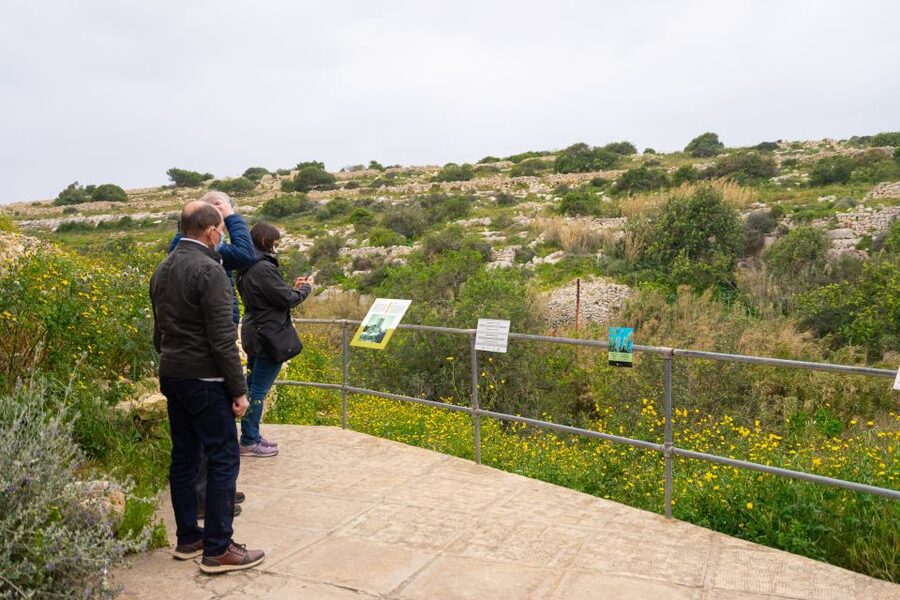
I especially like the setting here. The temple area is surrounded by Mediterranean garrigue, low scrub with a stark, dry character. The ground and vegetation feel spare, and the open position gives the visit a strong sense of place. You are not simply looking at stones in a museum yard. You are seeing them in the southern Maltese setting where they were built.
The guide’s role is important at Hagar Qim because the stones can be hard to interpret at first glance. With a clear explanation, a doorway becomes evidence of design, a carved surface becomes a clue, and the scale of the blocks becomes easier to grasp. Several guides have been praised for making the information accessible rather than overly academic.
You should allow time to look for yourself after the main explanation. Some people feel the schedule is a little tight, especially at the temples. The usual arrangement provides enough time to see the major features, but not necessarily enough for a slow, solitary study of every carved stone.
Mnajdra: the tour’s finest architectural stop
A few hundred meters from Hagar Qim, Mnajdra is generally considered the best surviving example of Maltese megalithic architecture. The walk between the sites is part of the experience, but it is not entirely effortless. You should wear comfortable shoes, carry water, and be prepared for an uphill return.
Mnajdra rewards close attention. The arrangement of its buildings and the quality of the surviving stonework make it easier to understand why the site is so highly valued. Guides often explain the layout, construction methods, and possible purposes of different spaces, while also making clear where interpretation remains uncertain.
The surrounding Heritage Park adds to the visit. The garrigue is exposed and rugged, and the coastal setting gives you broad views toward the Mediterranean. On clear days, Filfla can be seen offshore, creating one of the most memorable visual moments of the morning.
This is also where the tour’s physical demands become most obvious. The walk between the temples may be manageable for many people, but it can be difficult if you have mobility limitations, an old injury, or trouble with slopes and stairs. A past guide made a point of explaining the walking requirements and available choices at the beginning, which is exactly the sort of practical warning you want.
A small open cab has sometimes been available for the uphill stretch between the ancient sites, at an additional cost of about one euro each way according to one account. Treat that as an option that may vary, not a guaranteed service. If you need specific accessibility information, contact the provider before booking.
A completely different sort of day out from Malta:
- Malta: Gozo & Comino Islands, Blue Lagoon & Seacaves Tour
★ 4.5 · 15,672 reviews - Comino: Blue Lagoon, Crystal Lagoon, and Seacaves Tour
★ 4.6 · 5,673 reviews - Malta: Blue Lagoon, Beaches & Bays Trip by Catamaran
★ 4.7 · 5,496 reviews - Malta: Gozo, Comino, Blue & Crystal Lagoon, & Caves Cruise
★ 4.6 · 5,092 reviews
Hamrija Tower adds Malta’s Knights-era story
The Hamrija Tower is a welcome historical change of pace. Located a few hundred meters from the temple area, it was one of 13 watchtowers built by Grand Master Martin de Redin. The tower belongs to Malta’s much later Knights of Malta period, so it helps you see that the island’s history did not end with prehistory.
You do not visit the tower as a separate major museum stop. Instead, it forms part of the wider setting around the temples. Its presence gives the walk another point of interest and shows how the same exposed coastline later mattered for defense and communication.
This layering is one of the tour’s strengths. In a single morning, you move from prehistoric settlement to fossil evidence to the fortified Malta associated with the Knights. The subjects are different, but together they make the southern part of the island easier to understand.
The transport is convenient, but pickups take patience
Hotel pickup and drop-off are included, which is a major reason to consider this tour. Driving to Ghar Dalam and the temple sites yourself requires planning, and public transport can take more time and coordination. With the tour, you can focus on the sites instead of maps and parking.
The listed pickup times begin early in several areas:
- Cirkewwa at 8:30
- Attard at 8:30
- Mellieha at 8:40
- Valletta at 8:40
- Xemxija and Golden Bay at 8:50
- Sliema at 8:55
- St. Paul’s Bay at 9:00
- Bugibba at 9:05
- Qawra and St. Julian’s at 9:10
The exact meeting point and final timing arrive by email the day before. Check for that message, particularly if you are staying in Valletta and need to walk about 10 minutes to the pickup point.
The tradeoff is a long collection loop. Some outings spend too much time gathering passengers, and one person wished the group had been smaller. Another account described waiting for a second bus to join. Traffic in Malta can also affect the schedule, so the advertised 4.5 hours should be treated as a planned duration, not a guarantee down to the minute.
Transport quality has varied. Many people found the coach comfortable and air-conditioned, especially useful in hot weather. A few accounts described a worn or less comfortable bus on the return journey, and one person found the driver’s style unsettling. Others felt entirely safe, and one guide received praise for making the return arrangements clear.
Guide quality is the biggest reason to book
The sites are important enough to visit on their own, but the guide is what turns the morning into a proper archaeological tour. The strongest praise has gone to Mark, Mario, Marco, Marlon, Miriam, Maria, and Nick for explaining the evidence clearly and keeping the group organized.
Good guiding matters here because prehistoric Malta is full of questions. Why were these structures built? How were the stones moved? What did the chambers mean? How much can we really know? A strong guide gives you useful theories without presenting guesses as settled fact.
Several guides have also added context during the bus ride, including information about Valletta, nearby towns, geography, horticulture, and Malta’s later history. That helps the drive feel less like dead time, especially when the pickup route is long.
You should also know that language balance can affect the pace. A multilingual guide may need to deliver each explanation several times. Most people find the arrangement helpful, but if you want a fast, detailed English-only archaeological lecture, a private tour could suit you better.
Is $59 good value for Malta?
At $59 per person, this is not the cheapest way to spend a morning, but the price includes transportation, hotel pickup and drop-off, a live guide, and entrance fees to Ghar Dalam Cave and Museum, Hagar Qim, and Mnajdra.
I consider that fair value if you are staying outside the south and want the simplest arrangement. You are paying for the route, the entries, and the interpretation, not just a bus ride. The convenience is especially useful for a first visit or for a short stay when you want to cover several important sites without building the day yourself.
The value is less convincing if you prefer long visits, quiet photography, or independent study. The schedule is compact, and a few people felt the temples deserved more time. If your main goal is archaeological detail, plan a visit to Valletta’s National Museum of Archaeology as a follow-up. It contains Neolithic artifacts from the temple sites and can make the stones you saw that morning easier to understand.
Who will enjoy this half-day tour?
This outing suits you if you:
- Have limited time in Malta
- Want the major prehistoric temple sites in one morning
- Prefer a guide to explain difficult archaeological material
- Value hotel pickup and included entrance fees
- Enjoy combining ancient history with coastal scenery
- Are comfortable with moderate walking and an uphill return
It may not suit you if you need a slow pace, dislike group transport, or want to spend a full day at each site. It is also worth checking the walking arrangements before booking if stairs, slopes, or longer paths are difficult for you.
Bring comfortable shoes and water. Sun protection is sensible because the temple area is open and exposed. Most importantly, read the pickup email the day before and allow extra time for the collection route.
Should you book the Prehistoric Temples of Malta Tour?
I would book it for a first visit, especially if you are staying in Valletta, Sliema, St. Julian’s, St. Paul’s Bay, or the northern resort areas and do not want to organize transport. The temples are the star, and the combination of Hagar Qim, Mnajdra, Ghar Dalam, and Hamrija Tower gives you a useful sweep through Malta’s past.
Book with realistic expectations. You will get a well-planned archaeological introduction, not a private expert tour with unlimited time. If the guide is as strong as Mark, Mario, Marco, or Marlon, the $59 price feels reasonable. If you want maximum freedom and extra time at the stones, visit independently instead. For most people with only half a day, this is a practical and worthwhile choice.
FAQ
How long does the Prehistoric Temples of Malta Tour last?
The stated duration is 4.5 hours. It is designed as a half-day archaeological outing.
What sites are included?
The tour includes Ghar Dalam Cave and Museum, Hagar Qim Temples, and Mnajdra Temples. Hamrija Tower is viewed as part of the area near the temples.
Are entrance fees included?
Yes. Entry fees for Ghar Dalam Cave and Museum, Hagar Qim, and Mnajdra are included.
Is hotel pickup and drop-off included?
Yes. Transportation and hotel pickup and drop-off are included. The exact pickup point and time are sent by email the day before.
What languages are available?
Live guiding is available in English, German, Italian, and French.
What should I bring?
Bring comfortable shoes. Water is also a useful choice, since the temple area can become hot and the walk includes an uphill section.
Is the tour suitable for people with limited mobility?
The route includes walking between the temples and an uphill return. The physical demands can vary, so contact the provider beforehand if you need detailed accessibility information.
Can I cancel the tour?
You can cancel up to 24 hours before the activity for a full refund. A reserve-now, pay-later option is also available.
Just added around Malta
- Gozo Unveiled: Guided Hiking in Gozo – The West★ 5.0 · 3 reviews
- Valletta City of Gentlemen guided walking tour★ 3.5 · 3 reviews
- Half Day Tour in Marsaxlokk Village, Market, Blue Grotto & Qrendi★ 4.5 · 3 reviews
- Tour of Malta (Private Driver) Including Lunch Platter & Wine in the countryside★ 4.5 · 3 reviews
- Sunday: Ghajn Tuffieha (Riviera) Beach Yoga Class★ 5.0 · 3 reviews
- Pastizzi Making Experience in Malta★ 5.0 · 3 reviews
- Malta: Around Comino Cruise With Blue Lagoon stop★ 5.0 · 3 reviews
- Half Day Private Tour around the Island in Malta★ 4.7 · 3 reviews
Prehistoric Temples, compared.
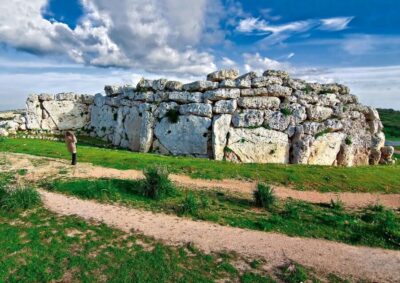

Gozo Full-Day Tour with Guide, Temples, & Train
Read our review →
Prehistoric Temples, Limestone Heritage & Blue Grotto
Read our review →
Gozo Guided Day Trip Incl. Ggantija Temples and Lunch
Read our review →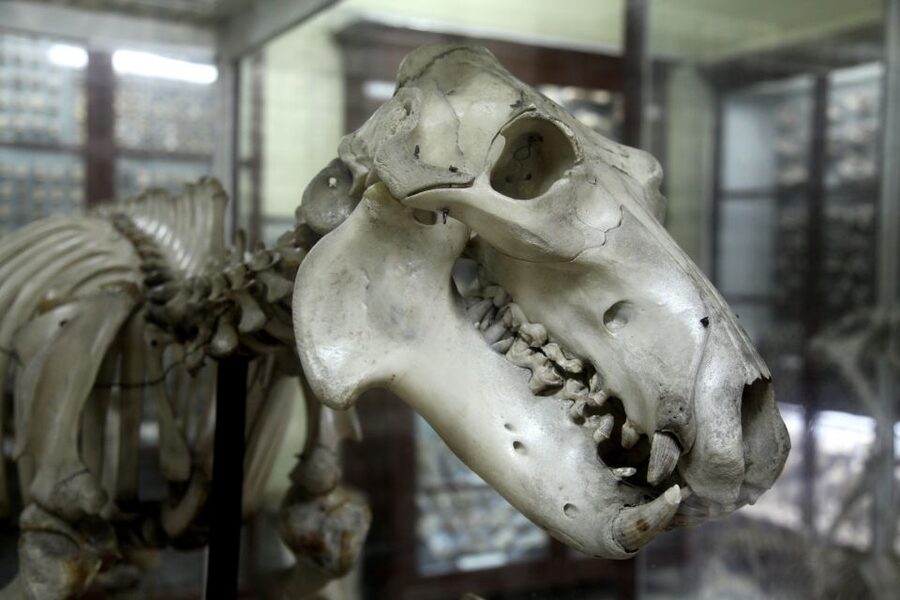
Prehistoric Temples and Highlights of the South
Read our review →
Gozo Full Day visiting Ggantija Temples, Salt Pans & Dwejra
Read our review →
Gozo Full Day visiting Ggantija Temples, Salt Pans, Dwejra
Read our review →Browse the lists this tour appears in